2026 Best Flexible Packaging Film Options to Consider?
In the ever-evolving landscape of packaging, choosing the right Flexible Packaging Film is essential. The demand for sustainable and versatile solutions continues to rise. As we approach 2026, businesses seek films that not only protect their products but also appeal to eco-conscious consumers.
Flexible Packaging Film offers unique benefits. It provides lightweight protection, reducing shipping costs and environmental impact. Yet, the variety can be overwhelming. Selecting the ideal film requires careful consideration of materials, durability, and applications. While some films excel in barrier properties, others may fall short in sustainability.
The quest for the best options is not straightforward. Manufacturers must weigh cost-effectiveness against performance. Innovations are coming, yet many films remain imperfect. As the industry shifts toward greener solutions, there’s still room for improvement. Exploring 2026's flexible packaging choices invites us to rethink our strategies and aim for better solutions.
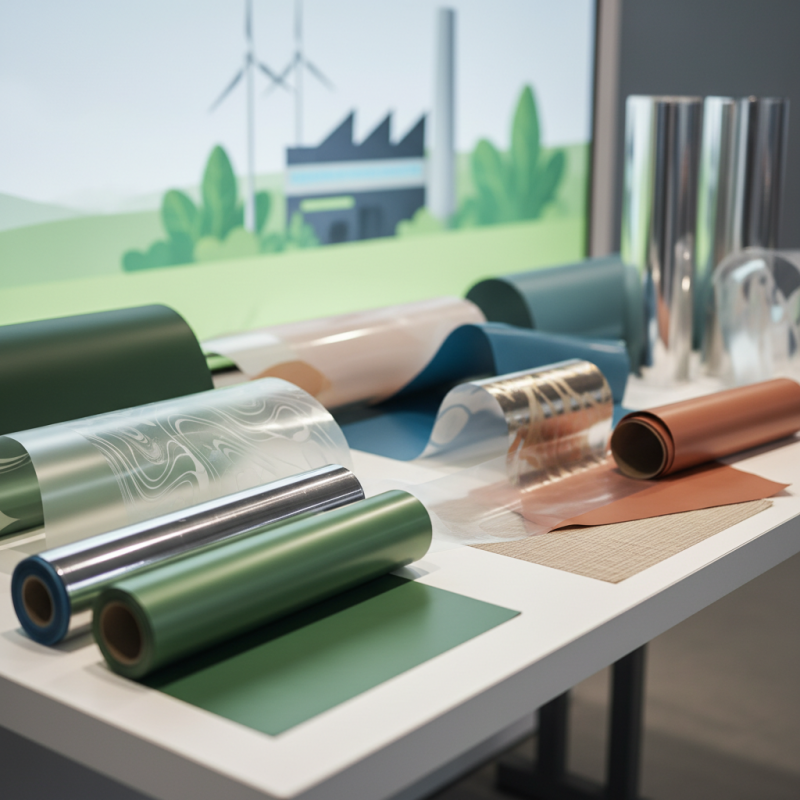
Overview of Flexible Packaging Film Types for 2026
Flexible packaging films are gaining popularity in 2026. They offer versatility and convenience. Different types of films cater to specific needs. For instance, barrier films protect products from moisture and oxygen. Such protection is vital in food packaging. Without it, products could spoil quickly.
Another option is biodegradable films. These films are essential for sustainability efforts. They break down naturally, reducing waste. However, they might not always provide the same shelf-life as conventional options. Understanding the trade-offs is crucial. Some biodegradable options may cost more, impacting budgets.
Lastly, multilayer films combine various materials. These can enhance durability and functionality. Yet, they also complicate recycling. It’s important to assess environmental impact carefully. As technology advances, new solutions may emerge. Staying informed about these innovations could lead to better decisions. Each choice in flexible packaging film has its pros and cons.
Key Properties to Look for in Flexible Packaging Films
When selecting flexible packaging films, several key properties must be considered. Barrier properties are essential. A good barrier keeps humidity, oxygen, and light from compromising the product. For instance, according to a study by Smithers Pira, over 30% of packaged goods spoil due to inadequate barriers. This significant loss underlines the need for strong barrier films.
Next, strength and durability are crucial. Flexible packaging must withstand physical stress during transport and storage. Materials like polyethylene and polypropylene often provide the necessary toughness. Recent industry reports indicate that flexible films can increase the shelf life of products by up to 50%. This increase is vital for maintaining quality.
Moreover, film thickness is another important factor. Thicker films can offer better protection but may add to costs. Striking a balance is a common challenge. The right thickness can vary based on the product’s needs. Some projects might struggle with finding the optimal solution. Additionally, sustainability is becoming increasingly important. Films made from recyclable or biodegradable materials are in demand. A report from the Flexible Packaging Association shows that 72% of consumers prefer sustainable packaging options. This shift highlights the industry's need to evolve.
Sustainability Considerations in Material Selection
Sustainability in flexible packaging is becoming crucial. In 2021, around 55% of consumers preferred products with eco-friendly packaging. This reflects a growing demand for sustainable materials. Companies are reassessing their packaging choices. They must balance performance and environmental impact.
Biodegradable films are gaining traction. They can break down in natural settings, reducing landfill contributions. Research shows that implementing these materials can cut carbon footprints by 30-50%. However, not all biodegradable options perform equally. Some may lack durability or seal integrity. Companies must test these products rigorously.
Recyclable films are also essential. They can be processed again, minimizing waste. Current data indicates that about 14% of flexible packaging is recycled properly. This figure is low. It highlights the need for better consumer education. Packaging design should encourage recycling. Choices made today will impact future generations.
2026 Best Flexible Packaging Film Options to Consider
Innovative Technologies Shaping Flexible Packaging Solutions
Innovative technologies are transforming flexible packaging solutions. One exciting advancement is the use of bio-based materials. These materials reduce environmental impact and appeal to eco-conscious consumers. Moreover, they can be custom-designed for specific products. This opens doors to new possibilities in the packaging industry.
Another emerging technology involves smart packaging. Sensors embedded in the film can monitor product freshness. This innovation adds value for both consumers and retailers. It might help prevent food waste, which is crucial. However, there are challenges in integrating these technologies. Not all manufacturers are ready for such changes.
While innovation drives the industry forward, some solutions need more reflection. For example, how will new materials affect recycling? The balance between sustainability and functionality requires constant evaluation. Lastly, it’s essential to ensure that these advancements do not compromise product safety. This ongoing conversation in the packaging sector is vital for future progress.
2026 Best Flexible Packaging Film Options to Consider
| Film Type | Material | Thickness (microns) | Barrier Properties | Sustainability Features |
| Polyethylene (PE) | Low-Density Polyethylene | 50-200 | Good moisture barrier | Recyclable |
| Polypropylene (PP) | Polypropylene | 30-150 | Excellent barrier against gases | Biodegradable options available |
| Polyester (PET) | Polyethylene Terephthalate | 12-250 | High barrier to oxygen | Recyclable and reusable |
| Nylon | Polyamide | 20-300 | Excellent puncture resistance | Recyclable options available |
| Multi-layer films | Various layers of plastics | 50-400 | Customized barrier properties | Made with low-impact materials |
Market Trends Influencing Flexible Packaging Film Choices in 2026
Flexible packaging films are evolving. In 2026, sustainability is a top concern for manufacturers. Eco-friendly materials are in demand. Many companies are exploring biodegradable options. These materials reduce waste and appeal to environmentally conscious consumers.
Another trend is the focus on functionality. Smart packaging technologies are gaining traction. Features like moisture control and freshness indicators are important. They enhance user experience and product shelf life. Costs may rise, but consumers value innovation.
Tips: Consider the environmental impact of your packaging choices. Look for certifications that ensure sustainability. Evaluate the performance features needed for your products. Investing in quality films can save money long-term. Explore options that balance cost and functionality.