
2026 Top Paper Bowl Types for Global Buyers

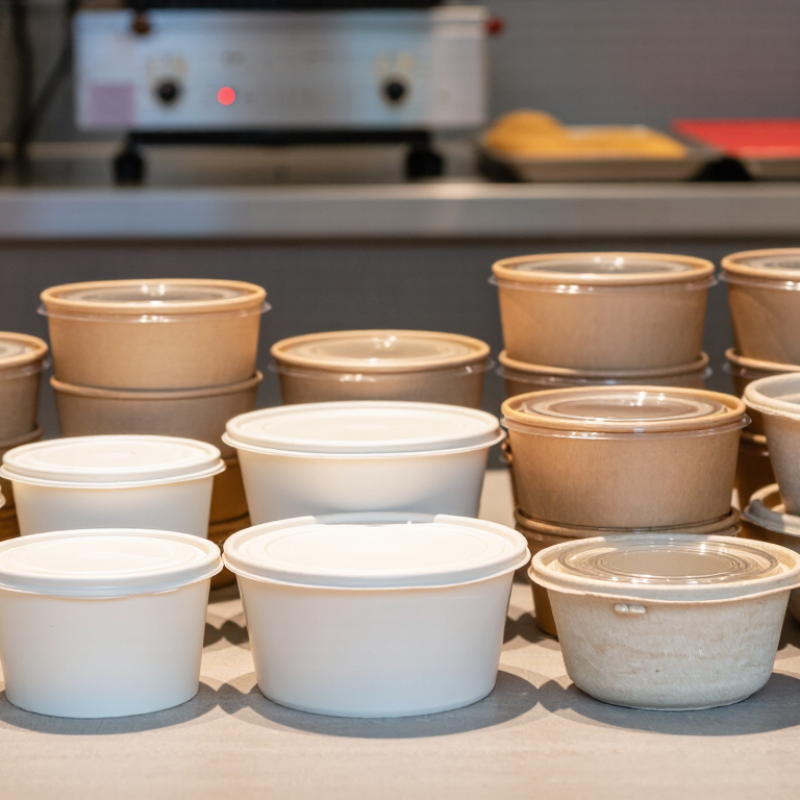
Global buyers are no longer choosing a Paper Bowl by appearance alone. They compare fiber quality, coating performance, stackability, lid fit, printing, and delivery consistency. A clean white bowl may suit salads, while a kraft bowl can communicate a natural, practical image. Bagasse bowls offer another route, especially for buyers exploring molded-fiber packaging.

Packaging engineer Dr. Jane Munro explains, “A bowl succeeds only when its material, barrier, lid, and supply chain work together.” This principle guides the 2026 review of leading Paper Bowl types. Each option has a different operating profile. Some handle hot soup confidently. Others perform better with dry foods, desserts, or short serving periods. Small details matter, too. A loose lid can create spills inside a delivery bag. Weak rims can deform during stacking. Excessive coating may also complicate a buyer’s sustainability message.

This guide examines practical choices for restaurants, caterers, distributors, and private-label importers. It considers paperboard weight, grease resistance, heat tolerance, rim strength, storage conditions, and customization potential. Buyers should request samples and test them with real food, not water alone. That step is often missed.

There is no universally perfect bowl. A premium printed bowl may look impressive but cost more during transport. A low-cost option may fail under heat or moisture. These trade-offs deserve honest review. The best selection balances performance, appearance, supply reliability, and responsible material decisions across different markets.
2026 Top Paper Bowl Types for Global Buyers

Paper Bowl Classification by Structure, Shape, and Intended Use

2026 Top Paper Bowl Types for Global Buyers

Paper bowls are easier to compare when buyers study structure, shape, and intended use together. Single-wall bowls suit dry foods, fruit, and short serving periods. Double-wall designs provide better insulation for hot soup and porridge. Ripple-wall bowls add grip and reduce heat transfer, but they usually require more storage space.

Shape affects performance and presentation. Round bowls stack efficiently and support automated filling. Deep bowls help contain noodles, broth, and sauced meals.

Wide, shallow bowls work well for salads and grain dishes. Compartment bowls separate toppings, sauces, or side portions. Rectangular forms can improve shelf display, though they may waste carton space.

Tips: Match the bowl to real serving conditions. Test filled samples after ten minutes, not only when empty. Check rim strength, leakage resistance, stacking height, and lid fit. Ask suppliers for food-contact documentation, coating details, and relevant test reports. Confirm dimensions after production, because small changes can affect packing equipment. Humidity also matters during ocean shipping. A bowl that performs well in a dry warehouse may soften after a long voyage. Classification is useful, but it is not perfect. Actual food temperature, holding time, and transport conditions should guide the final decision.

Single-Wall Paper Bowls for Lightweight Food and Snack Service

Single-wall paper bowls suit lightweight food and snack service where low weight, quick handling, and efficient storage matter. They work well for popcorn, pastries, fruit portions, dry noodles, and limited-sauce meals. In purchasing trials, the rim often matters more than expected. A firm rolled edge improves grip and reduces spills during takeaway service. Nesting depth also affects warehouse space and staff speed.

The 2023 UNEP report Turning off the Tap states that packaging represents about 40% of global plastic use. This strengthens interest in fiber-based food-service formats, but paper bowls still need responsible design. A water-based barrier can support short service periods, while hot, oily foods require verified heat and grease resistance. The 2024 Smithers study The Future of Sustainable Packaging identifies fiber packaging as a major development area, yet highlights barrier performance as a continuing technical challenge. Lightweight is not automatically better. A bowl that collapses under one serving creates waste, complaints, and hidden costs. Buyers should request test data for leak resistance, rim strength, stacking, and contact with hot food. Specifications should include paper weight, internal coating, capacity, and intended holding time. Sometimes, the thinnest bowl fails first. That reality deserves more attention.

Double-Wall and Ripple-Wall Bowls for Heat Protection

Global buyers are paying closer attention to bowl construction and heat protection. Grand View Research’s 2023 paper cups market report valued the sector at approximately USD 12.4 billion in 2022. It also projected steady growth through 2030. This demand reaches hot soups, noodles, rice dishes, and prepared meals.

Double-wall bowls create an insulating air layer around the food container. Ripple-wall bowls use a fluted outer surface to reduce direct hand contact. Both designs can improve handling comfort, but performance depends on paper weight, coating quality, rim strength, and filling temperature. A thicker wall is not automatically better. It may increase material use and shipping weight.

Smithers’ Future of Sustainable Packaging to 2028 forecasts continued expansion in sustainable packaging markets. Buyers should therefore request measured data, not attractive claims. Useful tests include insulation performance, compression strength, leak resistance, and lid compatibility. In practical sourcing trials, fill bowls with hot product, wait fifteen minutes, and check the outside wall. Feel the rim and inspect the base. Small defects matter.

Ripple structures can sometimes trap moisture around the outer surface. Double-wall designs may also consume more board. That trade-off deserves honest review. Specifications should identify fiber content, coating type, temperature limits, and test conditions. Independent laboratory results offer stronger assurance than supplier descriptions alone.

Coated Paper Bowls for Soups, Sauces, and Moist Foods

2026 Top Paper Bowl Types for Global Buyers

Coated paper bowls remain practical for soups, sauces, and other moist foods. Their inner barrier helps reduce leaks, softening, and flavor transfer. Fit matters. A shallow bowl suits noodles or thick sauces, while a deeper bowl supports broth and takeaway meals. Common sizes range from 8 to 32 ounces, depending on serving needs.

Poly-coated bowls usually offer reliable moisture resistance and smooth printing surfaces. Water-based barrier coatings can support buyers seeking a different material profile, but performance varies by supplier and application. Not every coating performs equally. Hot soup, oily curry, and acidic tomato sauce may stress the bowl differently. Request test samples at actual filling temperatures, then check leakage after transport.

A strong purchasing review should examine rim strength, stacking stability, lid fit, and insulation. Fiber thickness alone does not guarantee quality. In practical sourcing, a rigid bowl can still fail when its seam is weak. Ask for food-contact documentation, coating specifications, production tolerances, and batch inspection records. Packaging should also protect bowls from humidity during shipment. Some buyers focus heavily on appearance and overlook storage conditions. That is an avoidable mistake. A small pilot order can reveal problems before full-scale purchasing.

Compostable and Recyclable Paper Bowls for Global Markets

2026 Top Paper Bowl Types for Global Buyers

Compostable and recyclable paper bowls are gaining attention across global food markets. However, material choice should follow disposal conditions, not marketing language. Fiber bowls with certified compostable barriers can suit takeaway meals, events, and institutional catering. They perform best where commercial composting facilities accept food-soiled packaging. Home compostability is less common. Buyers should verify this difference before making claims.

Recyclable paper bowls may use thin, fiber-compatible coatings designed for local paper mills. Their success depends on collection systems, pulping technology, and contamination limits. Moisture changes everything. Soup, sauces, and oily foods can weaken fiber and affect recovery rates. A bowl may appear recyclable but fail in a region without suitable processing equipment. That gap matters.

Technical evaluation should include rim strength, leak resistance, heat tolerance, stacking stability, and food-contact documentation. Ask for independent test reports, coating details, and clear disposal instructions. Specifications should cover both Celsius and Fahrenheit for international teams. Smaller trial orders can reveal problems with lids, filling lines, or transport compression. Performance matters.

There is no universal best bowl. A compostable option may reduce waste in one market, while a recyclable design may work better elsewhere. This is easy to overlook. Global buyers should review local infrastructure, customer behavior, and applicable packaging requirements before selecting a type. Some decisions will need revision after real-world testing. That is not failure; it is responsible sourcing.

Shopping cart