Top 5 Tips for Choosing a Cup Inspection Machine?
In today's fast-paced manufacturing environment, selecting the right Cup Inspection Machine is crucial. According to industry reports, businesses lose about 5-10% of revenue due to poor quality control. A reliable inspection machine ensures product consistency and minimizes defects. In fact, a study from the Quality Control Institute revealed that implementing advanced inspection systems can improve defect detection rates by up to 30%.
Choosing a Cup Inspection Machine involves various factors. An effective machine should be user-friendly, reliable, and adaptable to different cup sizes. Moreover, it is vital to consider the technology behind the inspection process, as this could directly impact efficiency. Many manufacturers overlook the importance of ongoing maintenance and support, which can lead to decreased performance over time.
Investing in the right Cup Inspection Machine can be challenging. Some machines may promise high accuracy but fail to deliver in real-world applications. This discrepancy can lead to operational setbacks. Therefore, businesses must carefully evaluate their options and consider expert recommendations to ensure the best choice.
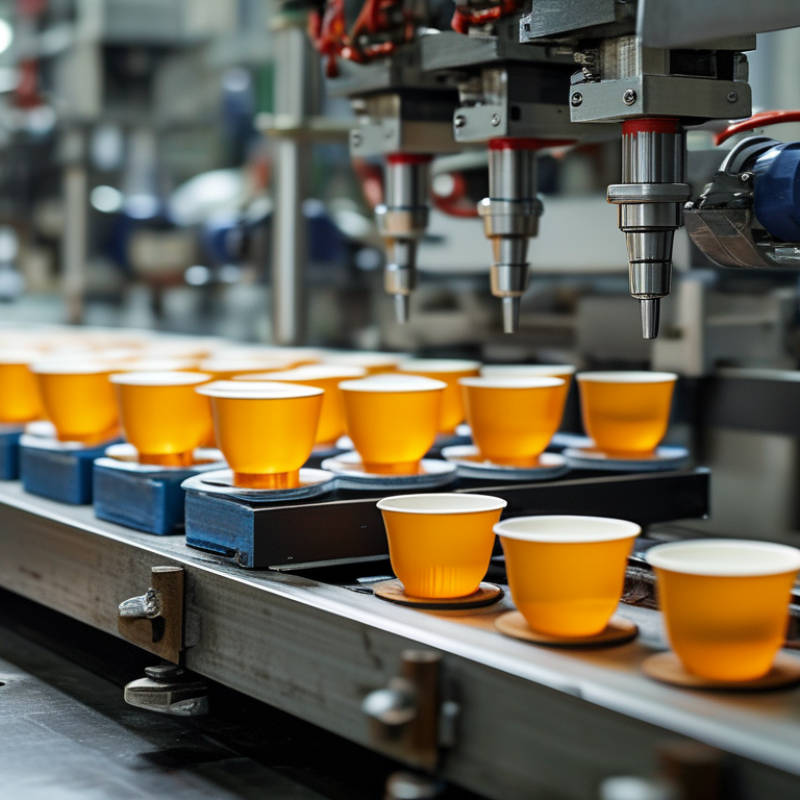
Understanding the Role of Cup Inspection Machines in Manufacturing Processes
Cup inspection machines play a crucial role in the manufacturing process. They ensure that products meet quality standards before reaching consumers. These machines help identify defects such as cracks, leaks, or improper shapes. By detecting issues early, manufacturers can avoid costly recalls and enhance customer satisfaction.
Choosing the right cup inspection machine requires understanding its function. The technology used in these machines varies greatly. Some rely on vision systems, while others use mechanical sensors. Each method has its strengths and limitations. The integration of artificial intelligence can also improve accuracy but may introduce complexity in operation.
Investing in a cup inspection machine demands reflection on your specific needs. Consider the types of cups produced and the quality checks required. Factors like production speed and size constraints can complicate decisions. It’s essential to weigh these elements carefully. Different machines offer various capabilities, and not all might meet your requirements.
Top 5 Tips for Choosing a Cup Inspection Machine
The following chart displays the importance of various factors when selecting a cup inspection machine in the manufacturing process.
Key Features to Look for in Cup Inspection Machines for Quality Control
When selecting a cup inspection machine, key features are essential for effective quality control. A robust inspection machine should have high-resolution cameras capable of detecting imperfections in various cup types. Reports indicate that nearly 30% of product defects are due to inadequate inspection processes. Ensuring your machine can identify these flaws is crucial for maintaining product quality.
One important tip is to ensure that the machine has adjustable sensitivity settings. This allows the user to fine-tune the inspection based on specific production needs. Another feature to consider is the machine's speed and throughput. An ideal machine should operate efficiently without compromising accuracy. Industry data suggests machines that combine speed with precision can improve production lines by up to 20%.
Look for models with user-friendly interfaces. This feature makes training staff easier and reduces the chances of user error. Also, consider machines with advanced software analytics. Such systems help in tracking performance and trends, providing valuable insights into your production process. Without these, it’s challenging to reflect on efficiency and maintain consistent quality standards.
Evaluating Machine Accuracy: Industry Standards and Metrics Explained
Evaluating the accuracy of cup inspection machines hinges on clear industry standards. It's crucial to understand the metrics involved. This includes precision, repeatability, and resolution. Precision indicates how close measurements are to the actual value. A high degree of precision is vital for ensuring product quality.
Repeatability measures the machine's ability to produce consistent results under the same conditions. This is essential for maintaining reliability during production runs. When evaluating machines, consider asking for data on these metrics. Also, reflect on past performance and how it impacted product standards.
Resolution signifies the smallest difference a machine can detect. A higher resolution allows for finer measurements, which can lead to better quality assurance. Evaluating these factors will help identify the right machine for specific needs. Don't overlook the potential for variability in results. Even machines with high specifications can present issues if not properly calibrated. Understanding these complexities is key to making an informed decision.
Cost-Benefit Analysis: Investing in Cup Inspection Technology
Investing in cup inspection technology can seem daunting, yet it offers significant returns. Selecting the right machine hinges on understanding both its benefits and costs. A well-chosen inspection system ensures product quality. Fewer defects translate to higher customer satisfaction and reduced waste.
However, businesses must analyze their specific needs. The initial cost can be high, yet long-term savings often outweigh this. An effective machine minimizes labor costs and reduces errors. Yet, not every machine fits every operation. Some facilities may require advanced features, while others may only need basic functionalities.
It's also essential to consider maintenance and operational costs. Regular upkeep can lead to additional expenses. Evaluate the total cost of ownership over time. Look for versatility in options. A machine that adapts to various cup designs may offer better value. Balancing features with actual needs can lead to better investments.
Trends and Innovations in Cup Inspection Machines for Enhanced Performance
The world of cup inspection machines is evolving rapidly. New trends in technology are shaping their design and functionality. Enhanced performance is now the standard. AI and machine learning are driving these innovations, allowing for smarter inspections. Real-time data analysis ensures higher accuracy. Efficient setups can help reduce waste and improve production cycles.
Vision systems are becoming more sophisticated. They can detect subtle defects that human inspectors might miss. The integration of IoT technology allows for better tracking and monitoring. These systems can communicate with each other and provide valuable insights. However, implementing this technology comes with a steep learning curve.
Employees must be trained to utilize these advanced systems. The balance between automation and human oversight is crucial. Continuous evaluation of the inspection process can highlight areas for improvement. Adapting to new trends and innovations is a journey. Many companies may struggle with transition periods. It’s essential to embrace change while also reflecting on existing processes.