What is an ABA Blown Film Machine and How Does It Work?
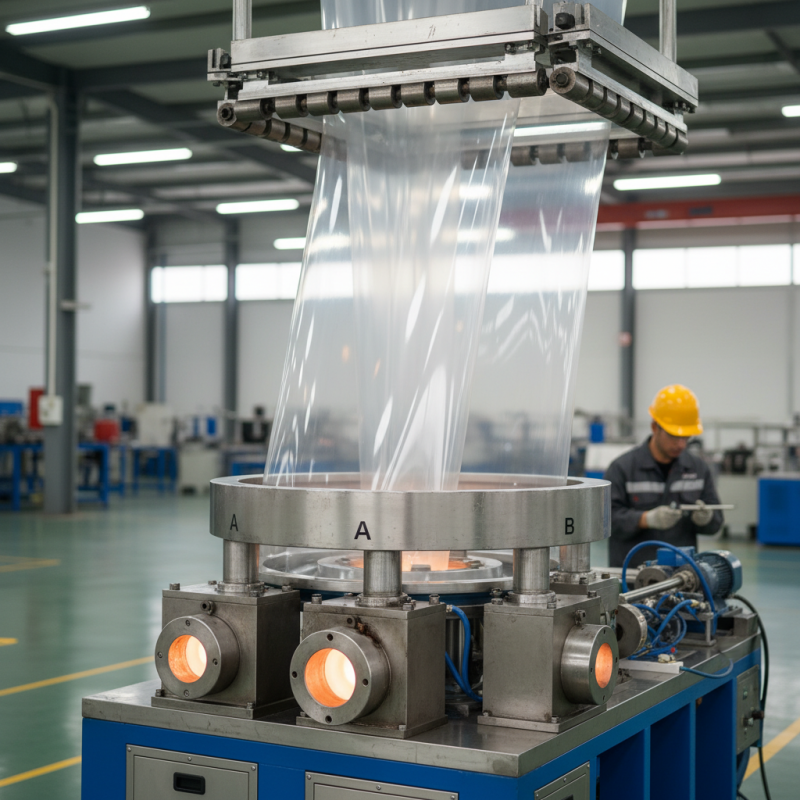
The aba blown film machine is a fascinating piece of equipment in the plastic manufacturing industry. It specializes in producing films that are both durable and flexible. Its design consists of three layers: an outer layer, a middle layer, and another outer layer. This configuration allows for enhanced strength and performance.
In operation, the machine melts plastic and extrudes it through a circular die. This process forms a tubular film that is continuously inflated. The unique combination of materials creates an effective barrier against moisture, punctures, and other external factors. These films serve a variety of purposes, from packaging food to industrial applications.
Despite its efficiency, there can be challenges. For instance, achieving consistent film thickness may require frequent adjustments. Overheating can also lead to defects in the film. These issues prompt operators to continuously refine their techniques. Learning to master the aba blown film machine is an ongoing journey, filled with both successes and setbacks.
What is an ABA Blown Film Machine?
An ABA blown film machine is a specialized piece of equipment used in the plastics industry. It is primarily designed to produce multilayer films. These films often have improved barrier properties, flexibility, and strength. ABA machines utilize three extruders to create a structure with an absorbent core layer and protective outer layers. The production of these films has surged, reaching approximately 26 million metric tons globally in 2022.
The ABA technology stands out due to its efficient processing capabilities. Reports indicate that it can achieve production speeds of up to 600 meters per minute. This efficiency is essential for high-demand applications, such as packaging and agriculture. However, operational challenges remain. Maintaining consistent layer thickness can be tricky. Any variations may lead to compromised performance. Product quality can be affected during these processes.
Moreover, energy consumption in ABA blown film machines is a growing concern. Industry studies reveal that energy costs can account for nearly 20% of total operational expenses. Many facilities are now exploring ways to optimize energy use without sacrificing production rate. Balancing efficiency and sustainability in ABA film production is a topic requiring ongoing attention and improvement from industry stakeholders. The pursuit of these goals is vital for future competitiveness.
Key Components of an ABA Blown Film Machine
An ABA blown film machine is essential for producing multilayer films. Its main components include the die, extruder, and air ring. The die shapes the molten plastic into a tube. The extruder feeds plastic pellets into the process. This initial stage is crucial for film quality. If not controlled well, the film can have defects.
The air ring cools the film as it is being formed. It must provide even air distribution. An uneven cooling can lead to thickness variations in the film. Adjusting the air pressure can be tricky. Slight changes may create noticeable differences.
Additionally, the winder collects the finished film. This component often faces challenges. If not aligned properly, it can cause film wrinkling. Operators must monitor it closely. Even minor errors can disrupt production. Understanding these key components helps in identifying areas for improvement in the manufacturing process.
What is an ABA Blown Film Machine and How Does It Work? - Key Components of an ABA Blown Film Machine
| Component | Function | Material Used | Typical Specifications |
| Extruder | Melt raw materials and form a polymer melt | HDPE, LDPE | Diameter: 60-90 mm; Output: 50-300 kg/h |
| Die Head | Shape the molten film into a bubble | Aluminum, Steel | Width: 1000-3000 mm |
| Cooling Unit | Cool the film bubble after exiting the die | Plastic, Stainless Steel | Air Cooling; Adjustable Speed |
| Haul-off System | Pull the film to ensure consistent thickness | Rubber, Steel | Speed: 5-100 m/min |
| Winder | Wind the finished film into rolls | Aluminum, Plastic | Roll Diameter: Up to 800 mm |
The Blown Film Extrusion Process Explained
The blown film extrusion process is fascinating yet intricate. It begins with the melting of plastic pellets. These pellets are converted into a molten mass. This mass is then forced through a die, shaping it into a thin tube. The tube is immediately inflated with air, creating a bubble-like structure. As it cools, the bubble expands to form film.
Cooling is critical in this process. Careful control of cooling speeds affects the film's thickness and quality. The bubble rises, and tension builds. Operators must watch closely; even a slight variation can result in defects. Once cooled, the film is flattened and wound onto rolls. This film can vary in thickness and elasticity, depending on specific needs.
Challenges often arise during production. Sometimes, uneven cooling can lead to wrinkles or weak spots. Adjusting the air pressure and temperatures is crucial. Even experienced operators face these issues. Continuous monitoring is essential to maintain quality. Blown film extrusion can be complex, and improvements are always necessary.
Understanding ABA Blown Film Machine Production Output
This chart illustrates the monthly production output of ABA blown film machines over six months. The data reflects millimeters of film produced as a measure of efficiency and utilization of the machines.
Applications of ABA Blown Film Technology
ABA blown film technology is revolutionizing the packaging industry. This advanced film extrusion process uses three layers of resin. The core layer generally provides strength. The outer layers enhance barrier properties and sealability. This unique structure results in films that outperform traditional single-layer options.
Applications of ABA technology are vast. It is widely used in food packaging due to its superior moisture barrier. This helps extend shelf life, which is crucial in reducing food waste. According to industry reports, the global flexible packaging market is expected to reach $300 billion by 2025, with blown films being a significant contributor. Additionally, the use of recycled materials in ABA films is rising. This supports sustainability efforts in packaging.
Tip: When designing products with ABA films, consider the environmental impact. Utilizing recycled materials can enhance your product’s market appeal. Striking the right balance between functionality and sustainability is critical. Evaluate your materials carefully.
Another aspect is the importance of testing. Not all applications require high-performance films. Often, there’s a trade-off between cost and quality. Be wary of assuming that high-end films are always necessary. Understanding your specific needs can guide better decisions.
Advantages of Using ABA Blown Film Machines
ABA blown film machines are increasingly popular in the packaging industry. They use a three-layer film structure. This design allows for superior strength and flexibility. The outer layers are typically made from low-density polyethylene. The middle layer, often a barrier material, enhances durability. This structure helps protect products better during transport.
One significant advantage of ABA blown film machines is their efficiency. They can produce films at a faster rate than traditional machines. This results in lower production costs over time. Additionally, the three-layer structure means less material is needed. Reduced material usage translates to cost savings. It's important to note, however, that operating such machines requires skilled personnel. Improper setup can lead to material waste.
Another advantage is the quality of the final product. Films produced are usually more resilient. They exhibit excellent puncture and tear resistance. This quality is crucial for many applications, including food packaging. Despite these benefits, there can be challenges. Adjustments in the processing parameters are often needed. Listening to feedback can improve the results. Experimentation may lead to even better outcomes. Wanting perfection can sometimes hinder progress, but it’s worth the effort.