What is Apet Sheet Rolls and How to Choose the Best Ones?
Apet Sheet Rolls have gained popularity in various industries due to their versatility and durability. These sheets are made from advanced PET materials, offering excellent clarity and strength. Whether you are in packaging, signage, or display, the right Apet Sheet Rolls can enhance your product's appearance and functionality.
Choosing the best Apet Sheet Rolls requires careful consideration. Different thicknesses and sizes are available, impacting performance and suitability for specific applications. Understanding the unique properties of these rolls is crucial. For example, some rolls are more suitable for outdoor use, while others excel indoors.
It's important to reflect on your specific needs before making a purchase. Not all Apet Sheet Rolls are created equal. Some may not meet the rigorous standards required for certain uses. Thorough research and expert consultation can help in making an informed choice. Balancing quality with cost can be challenging but essential for long-term satisfaction.
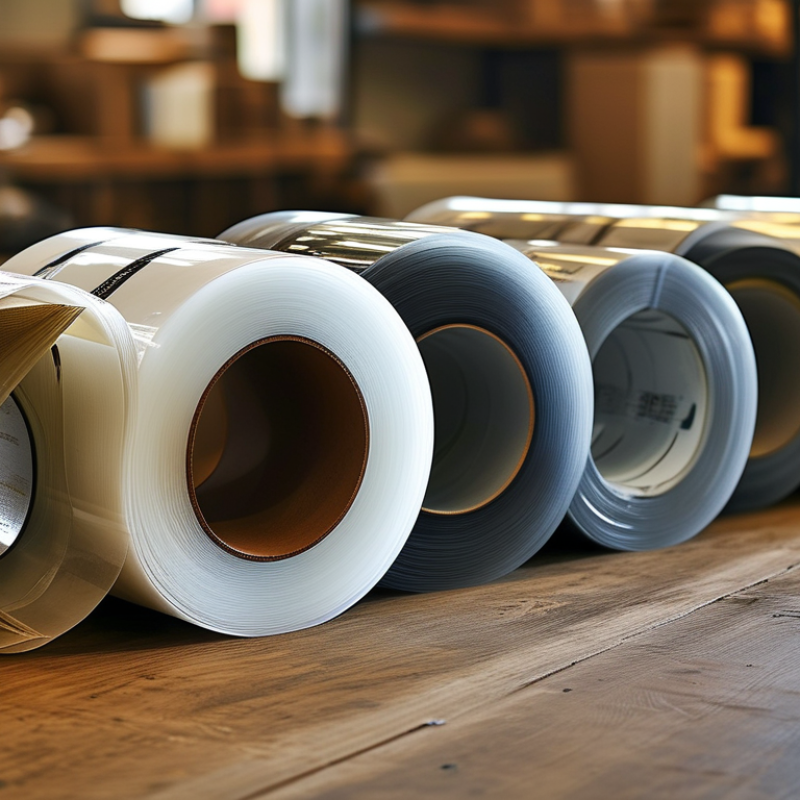
What Are APET Sheet Rolls? An Overview of Material Properties
APET sheet rolls, a common choice in packaging, exhibit remarkable material properties. These sheets are made from amorphous PET, known for its excellent clarity and strength. Their low density and high impact resistance make them suitable for various applications, including food packaging and displays. According to industry reports, the global APET market is expected to grow at a CAGR of 5.5% from 2022 to 2028. This growth correlates with the increasing demand for sustainable packaging solutions.
When selecting APET sheets, consider thickness, clarity, and chemical resistance. Thicker sheets offer enhanced durability, while high clarity improves visual appeal. It's crucial to verify the chemical resistance ratings, especially for food-related applications, as certain chemicals may compromise safety. Tips: always review technical datasheets provided by manufacturers to ensure compliance with industry standards.
While APET sheets provide numerous advantages, it's essential to reflect on their environmental impact. Though recyclable, many facilities lack the necessary infrastructure for proper recycling. Consumer awareness of sustainability is increasing, leading to demands for better recycling solutions in the APET industry. The balance between usability and environmental responsibility remains a critical discussion point for manufacturers.
Applications of APET Sheet Rolls in Various Industries
APET sheet rolls are versatile materials widely used across various industries. Their excellent clarity, strength, and recyclability make them ideal for packaging, displays, and even automotive applications. According to a recent market report, the global APET market is projected to reach a value of over $2 billion by 2026, indicating significant growth driven by sustainability trends.
In the packaging sector, APET sheets are popular for food and beverage products. They offer superior barrier properties against moisture and oxygen, helping to preserve freshness. The food safety standards associated with APET reinforce its reliability in this application. Furthermore, in the retail environment, APET sheets are used for point-of-sale displays. These displays not only draw customer attention but also enhance brand visibility. A study showed that eye-catching displays can increase sales by up to 30%.
The automotive industry also benefits from APET sheets. They are used in interior components due to their lightweight nature and durability. However, the adoption of APET in this sector faces challenges such as the need for more robust impact resistance. Manufacturers need to focus on improving the mechanical properties of APET to meet industry standards. Ensuring high performance while maintaining sustainability requires ongoing research and development.
Applications of APET Sheet Rolls in Various Industries
Key Factors to Consider When Selecting APET Sheet Rolls
When selecting APET sheet rolls, several key factors should be considered. The thickness of the sheet is critical. Thicker sheets often provide better durability and impact resistance. However, they can be more challenging to work with. A good balance between thickness and workability is crucial for your project.
The clarity and finish of the APET sheets are also important. High-quality sheets offer excellent transparency, enhancing the visibility of the product inside. A smooth finish can make a significant difference in aesthetics. Yet, not all applications require high clarity. You may choose a more opaque option for specific needs.
Consider the application of the sheets. Are they for packaging, display, or another purpose? Different applications require various properties. It's essential to understand your specific needs. Reflect on how the sheet will perform under different conditions. Not every choice will be perfect, so evaluate long-term effects and potential limitations. Revisiting your options can lead to improved outcomes in your projects.
What is Apet Sheet Rolls and How to Choose the Best Ones? - Key Factors to Consider When Selecting APET Sheet Rolls
| Dimension (mm) | Thickness (mm) | Color | Transparency (%) | UV Resistance | Applications |
| 1220 x 2440 | 0.5 | Clear | 90 | Yes | Signage, Displays |
| 1000 x 2000 | 1.0 | Frosted | 85 | No | Privacy Panels |
| 1500 x 3000 | 1.5 | Blue | 80 | Yes | Food Containers |
| 3050 x 2050 | 2.0 | Transparent Green | 88 | Yes | Window Displays |
Comparative Analysis of APET with Other Thermoplastics
APET sheet rolls are gaining attention in the packaging industry due to their excellent qualities. When comparing APET with other thermoplastics like PETG and PVC, several factors come into play. APET offers superior clarity and gloss, which can enhance product visibility. Its excellent toughness makes it suitable for various applications, from food packaging to cosmetic containers.
According to a recent market analysis, APET has a lower environmental impact compared to PVC. PVC manufacturing produces hazardous waste, while APET can be recycled more efficiently. Industry reports indicate that APET has a recycling rate of over 70%, making it an eco-friendlier choice. However, one must consider the specific needs of their applications. While APET excels in transparency and rigidity, PETG can provide better impact resistance. For those seeking sustainable options, understanding these differences is essential.
Moreover, heat resistance is another critical aspect. APET generally has a lower tolerance for high temperatures when compared to polycarbonate. This could be a concern for products exposed to heat. A detailed evaluation of thermal properties is crucial for long-term performance. When selecting the best material, it is vital to weigh the benefits of APET against the potential limitations in certain applications.
Market Trends and Statistics in the APET Sheet Roll Industry
The APET sheet roll industry is experiencing significant growth. According to recent data from Smithers Pira, the global market for APET sheets is projected to expand at a compound annual growth rate (CAGR) of over 4% from 2022 to 2027. This growth reflects increasing demand in sectors like packaging and construction.
Market trends indicate a shift towards sustainable materials. More companies are adopting APET due to its recyclability and lower environmental impact compared to other plastics. In 2022, it was reported that around 27% of APET was recycled, a figure expected to rise as regulations tighten. Despite these positives, challenges remain. Supply chain disruptions and fluctuating raw material prices can affect stability in the market.
Consumer preferences are also evolving. There's a distinct shift towards products that offer both functionality and sustainability. For instance, companies are recommended to evaluate their suppliers carefully. It is crucial to consider not just price, but quality and environmental practices. The need for reliable sourcing is paramount, as manufacturers must balance cost-effectiveness with green initiatives.