Best 3D Anti-counterfeiting Labels for Enhanced Brand Security?
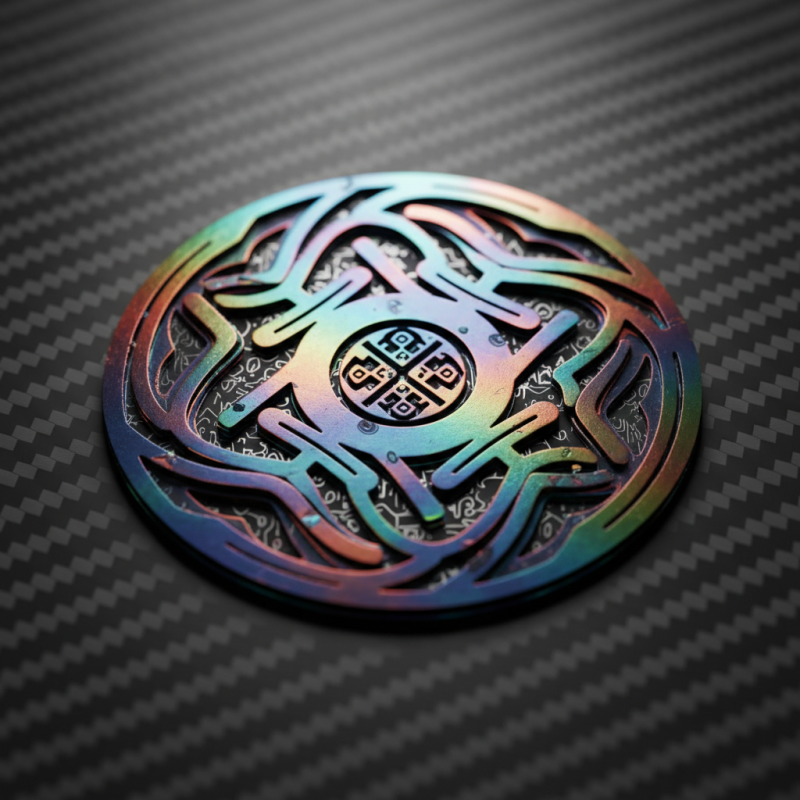
In today's competitive market, brand security is a growing concern. Companies face threats from counterfeit products that can diminish brand trust. Effective solutions are crucial. Enter the 3D Anti-counterfeiting Label, an innovative technology that provides enhanced protection for brands. These labels utilize advanced holographic designs, making it difficult for counterfeiters to replicate them.
The 3D Anti-counterfeiting Label not only deters fakes but also engages consumers. When customers see these labels, they feel reassured. The labels can feature unique identifiers or QR codes for verification. This extra layer of security enhances brand credibility. Yet, the challenge lies in ensuring that every label produced is up to standard. Variability in production can lead to inconsistencies, which are a concern.
Investing in 3D Anti-counterfeiting Labels can seem overwhelming. Brands must weigh options carefully. The price point, effectiveness, and design are essential considerations. Striking the right balance remains a task for many companies. Ultimately, the protection these labels offer can outweigh the challenges in implementation.
Understanding the Importance of 3D Anti-counterfeiting Labels
In today's market, brand security is paramount. Counterfeit products can severely damage a brand's reputation and trust. 3D anti-counterfeiting labels offer a strong solution. Their unique designs provide visual and tactile elements that make replication difficult. According to a recent study, about 25% of consumers have unknowingly purchased counterfeit goods. This statistic highlights the pressing need for improved authentication methods.
3D labels utilize advanced technologies such as holography and microprinting. These techniques create complex patterns that are hard to replicate. Brands embracing this technology report a 40% decrease in counterfeit incidents. However, implementing these labels requires a mindful approach. Manufacturers must focus on quality and design for effectiveness.
Tip: Invest in training your team about the importance of these labels. Their understanding can significantly affect how well these security features are utilized.
Many brands still overlook the tactile experience these labels provide. A label that feels different can broadcast authenticity to consumers. When consumers interact with a product, they build trust. On the other hand, some brands struggle with the costs of these advanced labels. This investment might seem significant, but the long-term benefits far outweigh the initial expenditure.
Types of 3D Anti-counterfeiting Technologies Available
3D anti-counterfeiting labels have revolutionized brand protection. These labels use unique designs to deter counterfeiters. Various technologies are available, each offering distinct advantages.
One common type is holographic stickers. These intricate designs create 3D images that change with light angles. They are visually appealing and hard to replicate. Another option is color-shifting inks. These inks change colors depending on the angle of light, creating a dynamic effect. This can be useful in various industries, from pharmaceuticals to luxury goods.
Some labels employ micro-text or micro-print technology. This involves printing tiny text that is difficult to see with the naked eye. It may not always be effective on all surfaces, though. This can lead to challenges in production. Each technology has its strengths and weaknesses, making it essential for brands to assess their specific needs. Using multiple technologies together can enhance security further. However, it could complicate the production process. Balancing security features with budget constraints is crucial for brands today.
Best 3D Anti-counterfeiting Technologies
Benefits of Using 3D Labels for Brand Security
In today's market, brand security is paramount. Companies face challenges from counterfeiting and imitation. 3D anti-counterfeiting labels provide a unique solution. These labels use advanced technology to create intricate designs that are hard to replicate. The tactile nature of these labels adds another layer of security. Consumers can feel the differences, which enhances brand trust.
The visual appeal of 3D labels is striking. They can feature vibrant colors and dynamic patterns that catch the eye. This visual uniqueness not only deters counterfeiters but also attracts consumers. Imagine a product on a shelf, its label shimmering with depth. It stands out, inviting customers to investigate further. However, it's essential to note that technology is always evolving. Expectations change, and what works today may not be effective tomorrow.
Implementing 3D labels comes with challenges. The cost of production can be higher compared to traditional labels. Organizations must weigh the benefits against these costs. Some labels may not hold up well in various conditions, leading to peeling or fading. Companies should consistently evaluate their label quality and production processes. Utilizing feedback from customers can identify potential weaknesses in the design or function of these labels.
Best 3D Anti-counterfeiting Labels for Enhanced Brand Security
| Feature | Description | Benefits |
| Visual Effects | 3D holographic visuals that change with the angle of light. | Increases consumer trust and product authenticity perception. |
| Tamper-Evidence | Destruction or alteration of label if tampered with. | Provides assurance that the product has not been altered. |
| Customization | Ability to integrate unique designs and branding elements. | Enhances brand recognition and uniqueness in the market. |
| Scannability | Incorporates QR codes or NFC technology for easy verification. | Allows consumers to verify authenticity easily. |
| Durability | Resistant to water, chemicals, and UV light. | Ensures longevity and maintains appearance over time. |
Factors to Consider When Choosing 3D Anti-counterfeiting Labels
When selecting 3D anti-counterfeiting labels, various factors come into play. The design of the label is crucial. A visually striking label can deter counterfeiters effectively. Bright colors and unique patterns make imitation harder. Choosing materials that are durable yet flexible adds to the label’s effectiveness.
Consider the technology used in the labels. Some labels incorporate holograms or QR codes. These elements add an extra layer of security. However, technology can evolve quickly, making some features obsolete. Regularly reviewing the effectiveness of the chosen technology is essential.
Another aspect to think about is the cost. High-quality 3D labels can be expensive. However, investing in security often pays off. Cheap labels might cause more issues than they solve. It’s important to balance quality and cost. An unreliable label could undermine brand trust.
Case Studies: Successful Implementation of 3D Labels in Different Industries
The utilization of 3D anti-counterfeiting labels has transformed brand security across various sectors. One significant case is in the food industry. A particular organic brand adopted 3D labels on its packaging. The design featured intricate holographic elements that caught consumer attention. Despite the initial excitement, some consumers struggled to identify the labels. This highlighted a need for clearer communication.
In the pharmaceutical sector, another case featured a company that included 3D labels on its products. These labels utilized a combination of colors and patterns to signify authenticity. However, some pharmacists expressed difficulty in understanding the security features. A few missed verifying batches due to this confusion. This case serves as a reminder that effective education about these technologies is essential.
The luxury goods market offers another intriguing example. Some brands employed 3D labels that integrated QR codes and NFC technology. This allowed customers to verify product origins quickly. Yet, challenges arose when users experienced technical issues with scanning. Many found the process cumbersome, raising questions about user-friendliness. The insights from these cases demonstrate that while 3D labels enhance security, understanding and usability remain critical factors.