
Choosing the best Juice Bag for 2026 means balancing product protection, filling needs, customer convenience, and end-of-life options. A pouch that looks polished on a shelf may not suit a high-speed filling line. Small details matter: a cap that opens easily, a seal that stays secure, and a shape that fits a crowded refrigerator door.
Stand-up pouches can provide a stable display and useful shelf presence. Flat pouches may use less storage space and suit smaller portions. Spouted designs offer controlled pouring, though the fit and closure should be tested with the actual juice. Clear film lets buyers see the color, but light exposure can affect some products; opaque materials may offer more protection. The right choice depends on the recipe, processing method, distribution conditions, and intended use—not appearance alone.
There is no universal winner. Testing samples with the real juice can reveal leaks, awkward pouring, or packaging that feels flimsy after chilling. It is easy to overlook those issues in a product photo. Material claims also deserve careful review: ask suppliers for specific construction details and evidence for recycling or barrier performance, rather than relying on broad labels. This guide compares common Juice Bag types, their practical strengths, and the trade-offs worth checking before selecting a format for 2026. Some compromises remain. The best option is the one that performs reliably for the product and the people who use it.
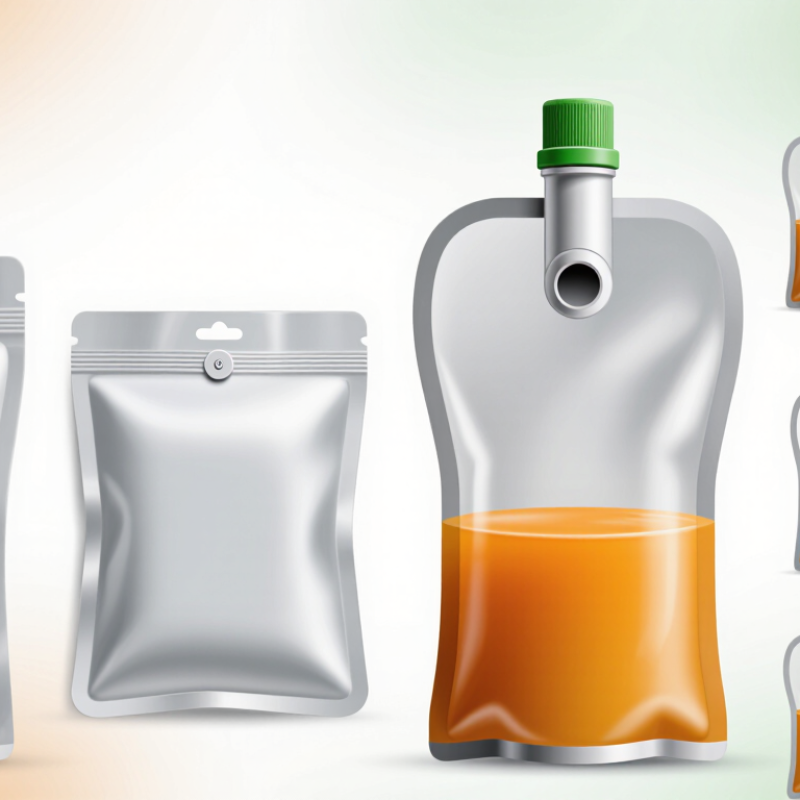
A juice bag is a flexible pouch designed to hold and dispense juice. It is usually made from food-contact materials, sometimes layered to help limit light, oxygen, or leaks. Many bags include a small spout and cap; others are sealed and opened by cutting. Some have spouts. The right design depends on how the juice will be filled, stored, and served.
In use, juice is filled into the pouch and the opening is sealed. At home, a capped bag can be chilled and poured into a glass, while a single-serving pouch may be easier to carry. Check the bag’s stated temperature limits before filling it with warm liquid. Not every pouch is made for hot filling or long storage. A strong seal helps, but it cannot replace clean handling or proper refrigeration.
Tips: Check that the pouch is intended for food, inspect seams for damage, and follow its storage instructions. Reuse it only if the maker says it is reusable and it can be cleaned thoroughly.
A bag can make juice easier to transport, but it does not automatically keep juice fresh. Once opened, close the cap securely and refrigerate the pouch as directed. I would not judge quality by appearance alone; the material, seal, and storage conditions matter too.

Modern juice bags are usually made from several thin layers, not one simple plastic film. Each layer has a job. A common structure uses PET on the outside for stiffness and print clarity, with polyethylene inside to form a reliable heat seal. Some designs use polypropylene instead, depending on filling temperature and pouch shape.
For light and oxygen protection, converters may add aluminum foil, metallized film, or an EVOH barrier layer. Foil blocks light especially well, while metallized films can offer a lighter alternative. The right choice depends on the juice’s acidity, storage time, and processing method. A spout and cap are often made from polyethylene or polypropylene, so the closure may use a different material from the pouch body. Small details matter.
These combinations help protect flavor, color, and freshness, but they create a real trade-off. Multilayer pouches can be difficult to recycle through ordinary collection systems because their bonded materials are hard to separate. Not always. Some newer structures use compatible polymers, though performance and local recycling access still need checking. A pouch that looks simple on the shelf may have a carefully engineered layer stack—and no single material choice suits every juice.
Flat juice pouches use little storage space and are easy to stack before filling. Their flexible sides can wrinkle, though, so labels may be harder to read. They suit single servings when the seal and material match the filling process. Check the supplier’s food-contact specifications.
Stand-up pouches have a bottom gusset that helps them stay upright on shelves or in refrigerators. That shape can make pouring easier, but a full pouch may tip if its base is narrow. Spouted bags add a resealable opening, useful for sipping or sharing. The cap and spout need a secure fit; leaks are frustrating. Small detail, big difference.
Material layers affect more than appearance. A clear bag lets customers see the juice, while an opaque layer can limit light exposure. The right choice depends on the juice, storage conditions, and intended shelf life, not appearance alone. Ask for barrier and seal data, then test filled bags under realistic handling. I would not assume every pouch is suitable for every juice. Some need refrigeration, and packaging does not replace proper processing or storage.
Typical fill sizes vary by product and supplier. Flat sachets suit smaller portions, while stand-up and high-capacity pouches accommodate larger fills. A spout can make a pouch easier to pour or reseal; it is a closure choice that may be used with different pouch shapes.
Ranges are representative examples, not fixed industry standards; available sizes vary by application and supplier.
Which juice bag works best depends on the drink’s texture, serving size, and storage needs. A stand-up pouch suits larger portions of still juice because its broad base keeps it upright on a shelf. A resealable spout makes it easier to pour, though a narrow opening can be awkward for pulpy blends. For smoothies, choose a wider spout and test whether fruit particles pass through without clogging.
Flat sachets work well for single servings, tasting samples, or juice concentrates that consumers mix with water. They use little shelf space. Small details matter. Check that the film resists leaks during handling and that the tear notch opens cleanly.
For chilled, fresh juice, packaging must support refrigerated storage and protect the drink from oxygen and light. Shelf-stable juice may need a pouch designed for a validated heat process; ordinary flexible film is not automatically suitable.
There is no perfect bag. A stronger barrier may add cost or stiffness, while an easy-pour design may take up more space. Confirm material compatibility with the juice’s acidity, then test filled pouches under actual storage and transport conditions.
The best juice bag depends on the drink, filling process, and storage conditions—not on appearance alone. A chilled juice sold for quick use may need different protection than a product kept on a warm shelf. Light and oxygen can affect color and flavor, so compare barrier performance against the juice’s expected shelf life. Ask suppliers for test data, and check that the bag material suits acidic ingredients.
The seal and spout matter just as much. A pouch that leaks during transport can waste product and damage consumer trust. Check seal strength, cap fit, and how easily the bag pours without dribbling. Test it on your actual filling line; a design that works in a sample room may slow production. No pouch wins every test. I would not choose by appearance alone—it is an easy mistake.
Tips: Fill sample bags with the real juice, then check for leaks, flavor changes, and handling issues over time. Not just water. Compare packaging weight and material claims, but verify whether local facilities can actually process the material. A recyclable label is not enough. Small details matter.
Headquarters
2980 Scott St, Vista, CA 92081
Phone: (760) 734-4177
Fax: (760) 734-4188
Open: 8:00 am – 4:30 pm
Texas
8051 Jetstar Dr #175 Irving, TX 75063
Phone: (972) 915-6888
Fax: (972) 915-6999
Open: 8:00 am – 4:30 pm
Florida
14231 Jetport Loop. #1 Fort Myers, FL 33913
Phone: (239) 225-4020
Fax: (239) 225-4024
Open: 8:00 am – 4:30 pm