Best Kraft Paper Bags for Global Sourcing Needs?
Kraft Paper Bags are increasingly vital for businesses aiming to meet sustainable packaging demands. According to a recent report by Smithers Pira, the global market for paper bags is forecasted to reach $4.3 billion by 2026, driven by environmental concerns and consumer preferences for eco-friendly products. This growth highlights a significant opportunity for companies focusing on responsible sourcing.
The versatility of Kraft Paper Bags makes them suitable for various industries, from retail to food services. Their strength and biodegradability appeal to businesses looking to enhance their brand image. A survey published by Allied Market Research suggests that 70% of consumers prefer brands that prioritize sustainable packaging. However, not all Kraft Paper Bags are created equal. Quality varies, and sourcing from reliable suppliers is crucial.
Mistakes in sourcing can lead to subpar products, impacting brand reputation. Companies must consider factors such as weight capacity and material source. Ensuring compliance with industry standards is essential for maintaining market trust. As demand grows, businesses face challenges in balancing sustainability with cost-effectiveness. Addressing these issues can improve sourcing strategies and lead to better outcomes for both companies and consumers.
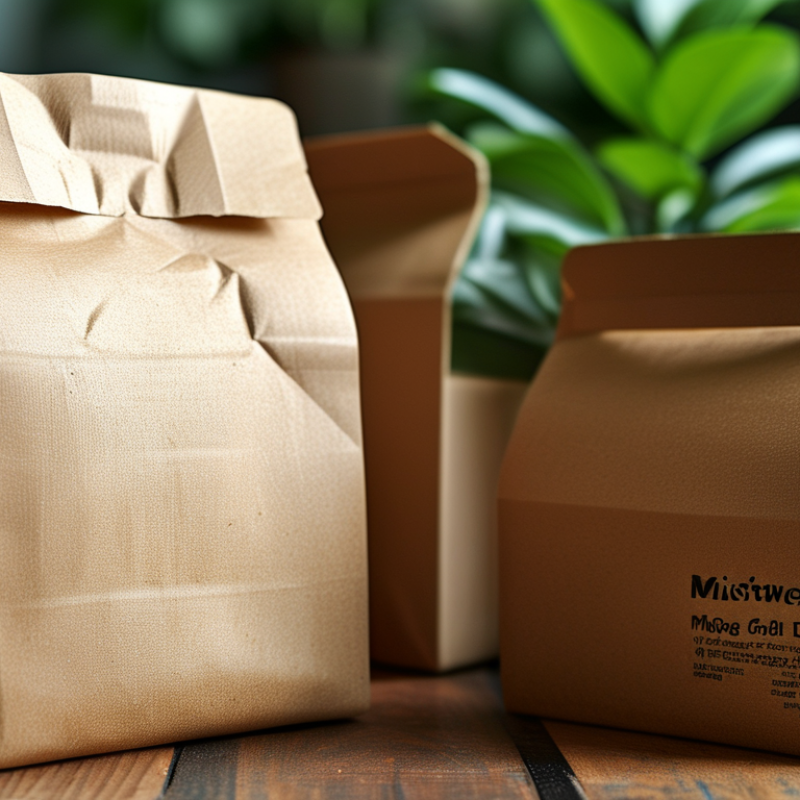
Understanding Kraft Paper Bags: An Overview of Material and Use
Kraft paper bags have gained popularity for various applications. They are made from strong, durable paper that is biodegradable and recyclable. This eco-friendly nature aligns with the growing consumer preference for sustainable packaging solutions. Many businesses now consider these bags as viable alternatives to plastic. They are suitable for retail, food service, and gifting.
The material used in kraft paper bags is significant. It provides strength and an appealing texture. Businesses can customize these bags with printing to enhance branding. However, some may overlook quality when selecting suppliers. It’s essential to evaluate the durability and thickness of the paper. Inadequate quality can lead to rips or tears, impacting customer experience.
While the benefits are clear, certain limitations exist. Kraft paper is not waterproof, which can be a drawback. Businesses need to be mindful of the contents they package. Additionally, sourcing eco-friendly options may require more research. Customers vary in awareness of sustainability; educating them can enhance brand loyalty. Balancing quality, cost, and sustainability remains a challenge for many enterprises.
Identifying Global Sourcing Needs for Kraft Paper Bags
When considering global sourcing needs for kraft paper bags, it's vital to recognize the diverse applications and requirements of businesses. Different industries rely on kraft paper bags for packaging, shipping, and marketing. Retailers, food services, and e-commerce platforms often seek bags that align with their brand. Customization options can enhance a company’s identity while ensuring the bags serve their functional purpose.
Quality is paramount in the selection process. Sourcing teams must evaluate the strength and durability of kraft paper. These bags should withstand handling during transport and storage. It's important to assess the environmental impact as well. Sustainable sourcing is increasingly important to customers. Some businesses may struggle to find suppliers who meet these eco-friendly standards while providing reliability.
Wholesalers and manufacturers need to be transparent about sourcing practices. Transparency builds trust among buyers. Vendors may not always provide clear information about their sourcing regions and methods. This can lead to potential risks in quality and supply stability. Continuous assessment and communication can help mitigate these challenges. Engaging with suppliers who prioritize ethical practices can foster long-term partnerships.
Top Features to Consider When Selecting Kraft Paper Bags
When selecting kraft paper bags for global sourcing needs, several critical features come into play. One of the most important aspects is weight capacity. Choosing a bag that can handle the desired product weight ensures the safety of your items during transport. Lightweight bags may save costs but risk product security. Paper thickness can significantly influence durability. The right thickness prevents the bags from easily tearing under pressure.
Additionally, consider the bag's closure type. A reliable closure mechanism prevents items from falling out and provides an added layer of security. Whether using twisted handles or adhesive seals, ensure the closures align with your product's specific needs. A poorly sealed bag can lead to lost items and customer dissatisfaction.
Think about customization options as well. Custom prints or colors can enhance brand visibility. However, balance aesthetic appeal with practicality. While a beautifully designed bag might attract attention, it shouldn't compromise functionality. Reflect on what is most important for your brand and customer experience in choosing the right kraft paper bags.
Best Kraft Paper Bags for Global Sourcing Needs
This chart illustrates the key features to consider when selecting kraft paper bags for global sourcing, rated on a scale from 1 to 10. Factors such as biodegradability, strength, cost effectiveness, customization options, and weight capacity are critical for companies looking to source the best packaging solutions.
Popular Suppliers and Manufacturers for Kraft Paper Bags Worldwide
The global demand for kraft paper bags has surged, driven by the shift towards sustainable packaging. According to a recent market report, the kraft paper bag market is projected to grow at a CAGR of over 4% from 2021 to 2028. This growth creates an opportunity for manufacturers and suppliers worldwide, enabling them to cater to diverse sourcing needs.
Key suppliers in the market offer a range of kraft paper bags. Their products come in various sizes and styles, suitable for multiple applications—from retail to food service. The ability to customize these bags plays a crucial role in a brand’s marketing strategy, as personalized packaging enhances consumer engagement. Notably, many manufacturers emphasize the use of eco-friendly materials, aligning their operations with environmentally-conscious consumer demands.
Despite the positive outlook, challenges remain. Variations in quality and durability of kraft paper bags are a concern. Some bags may not withstand heavy loads or wet conditions, potentially impacting consumer satisfaction. Manufacturers must focus on improving production techniques and quality control to address these issues. The fluctuation of raw material prices also poses a risk, making it vital for suppliers to establish flexible and responsive sourcing strategies.
Sustainability and Environmental Impact of Kraft Paper Bags in Sourcing
Kraft paper bags have gained prominence in global sourcing due to their sustainability attributes. These bags are made from recycled materials. They are biodegradable, providing a smart alternative to plastic. Data from the Environmental Protection Agency reveals that paper products contributed to 9% of municipal solid waste in 2018. With an increase in awareness, businesses are leaning towards kraft paper.
The production process of kraft paper, while eco-friendly, still presents challenges. It requires significant resources such as water and energy. According to a report by the Paper and Packaging Board, the carbon footprint of paper products can be higher than expected if sourced irresponsibly. Sourcing from certified forests can mitigate this impact. It's crucial to balance sourcing practices with sustainability goals.
Moreover, the recycling rates for kraft paper are impressive. Approximately 70% of paper is recycled in the U.S. This statistic highlights the circular economy potential of kraft paper. However, reliance on recycling alone is not enough. Continuous improvement in production methods and sourcing decisions is needed. Environmental mindfulness in consumer choices can lead to better outcomes for global sourcing efforts.
Best Kraft Paper Bags for Global Sourcing Needs? - Sustainability and Environmental Impact of Kraft Paper Bags in Sourcing
| Bag Type | Material Thickness (gsm) | Recyclability | Biodegradability | Average Cost (USD) |
| Standard Kraft Paper Bag | 70 | Yes | Yes | 0.50 |
| Gusseted Kraft Paper Bag | 90 | Yes | Yes | 0.75 |
| Flat Kraft Paper Bag | 60 | Yes | Yes | 0.30 |
| Recycled Kraft Paper Bag | 80 | Yes | Yes | 0.40 |