
China’s Plastic Vacuum Bottle industry serves brands seeking durable, lightweight packaging for personal care, household, and travel products. This guide introduces ten manufacturers to consider when comparing suppliers. A useful shortlist looks beyond attractive product photos. It examines production capabilities, material options, quality controls, customization, and communication. Small details count. Check how a cap threads onto the bottle, whether the pump dispenses smoothly, and how the finish feels in hand. These practical checks can reveal issues that a specification sheet may not show.
The companies in a manufacturer comparison may differ in factory scale, product focus, and export experience. Some may offer broad customization; others may specialize in a narrower range. Ask for current product specifications, sample availability, production lead times, and clear explanations of inspection procedures. If sustainability matters, request evidence for material claims and confirm whether recycled content or refillable designs suit your product requirements. Do not assume that a polished sample represents every production run. It may not. A careful review should also consider responsiveness and how clearly a supplier addresses problems or limitations. Rankings can vary with project needs, so treat this list as a starting point, not a substitute for independent checks. The right partner is the one whose capabilities and working practices match your requirements.
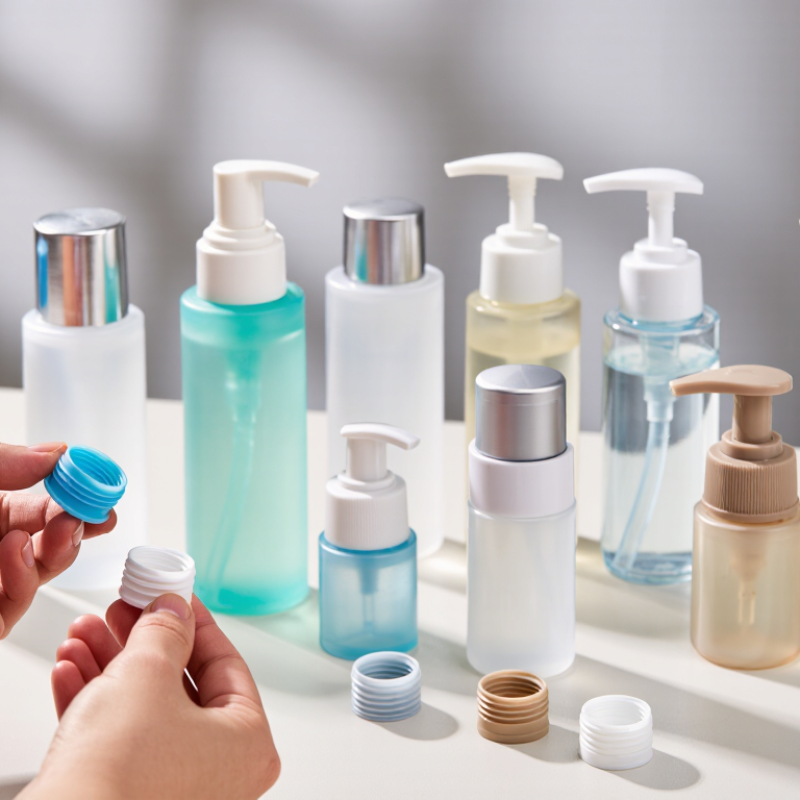
A plastic vacuum bottle uses two walls with a sealed, low-pressure gap between them. Removing most air from this space slows heat transfer by conduction and convection. Some designs also use reflective inner surfaces to limit radiant heat. The result is slower temperature change, not perfect temperature control. The lid and bottle neck still let heat move, so their design matters.
The plastic body can make a bottle lighter and easier to handle than many metal alternatives. However, performance depends on wall thickness, the quality of the vacuum seal, and how well the cap fits. A bottle may feel sturdy yet insulate poorly if the gap is compromised. That detail is easy to miss.
Tips: Pre-fill with hot or cold water for a few minutes, then empty it before adding your drink. Keep the cap closed between sips, and check the seal for cracks or looseness. Do not assume every plastic vacuum bottle performs the same; insulation claims need testing under consistent conditions.

Plastic vacuum bottles depend on more than their outer shape. Many use stainless-steel inner walls, while plastic housings reduce weight and offer room for grips or color. Buyers should ask which parts touch the drink and how each material is tested. A smooth rim matters. It should feel even, without sharp edges or visible gaps. Vacuum performance also depends on the sealed space between inner and outer walls, not simply the bottle’s thickness.
Design choices affect daily use. A narrow opening can help limit spills, but makes cleaning harder. Wide mouths fit ice cubes and bottle brushes. Lids may use silicone seals, plastic threads, or push-button mechanisms; each needs consistent assembly. In production, metal shells are formed, joined, and checked for leaks before plastic components are fitted. Sampling should include repeated opening, closing, and temperature checks. One sample is not enough. Small defects can appear only after use.
Tips: Request material details, leak-test methods, and inspection records. Compare samples with your actual filling and cleaning routine. A glossy finish may look convincing, yet scuff quickly in a work bag. That trade-off deserves a second look.
China’s plastic vacuum bottle sector draws on broad plastics-processing capacity, mold making, component sourcing, and export-oriented assembly. Production clusters can shorten coordination between these stages, though capabilities vary by region and factory. Some suppliers focus on custom shapes and color matching; others emphasize stable, repeatable runs. A polished sample helps, but it does not prove consistent production.
A bottle’s performance depends on more than its outer shell. Buyers should ask which resin touches the beverage, how the inner and outer walls are joined, and whether the design is intended to retain heat or simply reduce heat transfer. Request material declarations and test reports for the actual model. Check cap fit, odor after washing, seam quality, and leakage after repeated opening. Small details matter.
Factories may offer sampling, private-label production, and packaging options, but minimum order quantities and tooling charges differ. Ask how design changes are recorded and who checks incoming materials. A vacuum layer is technically demanding in plastic structures, so confirm the construction rather than relying on product wording. This part is easy to overlook. Not every claim is clear. Supplier comparisons are useful, yet a factory visit or independent inspection can reveal gaps that a catalog cannot.
China’s plastic vacuum bottle sector includes manufacturers with different strengths. One profile centers on mold design, where handle shape and cap fit affect daily use. Another focuses on injection molding and consistent wall thickness. A third may specialize in vacuum-chamber assembly. Check how it tests insulation performance. Another profile emphasizes food-contact material selection and documented supplier controls. Details matter. A fifth maker may offer custom colors and printed finishes, while a sixth handles small production runs for market testing.
A seventh profile may prioritize leak testing, using filled bottles to check seams and closures. An eighth focuses on automated production and repeatable dimensions. A ninth supports product development, from sample tooling to packaging adjustments. The tenth may specialize in export packing, protecting bottles from scratches and impact during shipment. These are capability-based profiles, not claims about specific companies. Buyers should request recent test records, sample units, and clear production specifications. A showroom sample can look convincing. Real performance needs checking under repeated filling, washing, and transport. Some suppliers provide limited public data, so comparisons may remain imperfect. That uncertainty deserves attention.
Typical workflow: The numbered bars show the usual order of key manufacturing stages, not production volumes or company performance. Processes can vary by product and manufacturer.
When assessing China’s top plastic vacuum bottle manufacturers, look beyond polished samples. Compare wall thickness, neck dimensions, cap fit, and leakage results across several production batches. OECD’s Global Plastics Outlook reports that global plastic waste reached 353 million tonnes in 2019, with packaging representing about 40%. That scale makes material selection and production controls important. Details matter.
Request recent inspection records, resin specifications, and batch traceability documents. For bottles intended for food or beverage contact, ask which market-specific requirements apply and request relevant test reports from a qualified laboratory. Check that test samples match the quoted material and production process. A certificate alone does not prove every shipment conforms. Ask for evidence.
Evaluate quality systems through an on-site or independent audit, where practical. Review calibration logs, defect records, corrective actions, and how rejected bottles are handled. Test samples with the intended liquid, closure, storage temperature, and transport conditions; a bottle that looks fine on a desk may leak in a carton. ISO certifications can indicate structured management, but they do not replace product testing. I would also compare lead times against actual capacity, not just the sales estimate. This can be awkward to verify, and no audit catches everything. Keep a written specification and approve a production sample before scaling orders.
Headquarters
2980 Scott St, Vista, CA 92081
Phone: (760) 734-4177
Fax: (760) 734-4188
Open: 8:00 am – 4:30 pm
Texas
8051 Jetstar Dr #175 Irving, TX 75063
Phone: (972) 915-6888
Fax: (972) 915-6999
Open: 8:00 am – 4:30 pm
Florida
14231 Jetport Loop. #1 Fort Myers, FL 33913
Phone: (239) 225-4020
Fax: (239) 225-4024
Open: 8:00 am – 4:30 pm