How to Choose the Right Water Pump Casing for Your Needs?
Choosing the right water pump casing is crucial for efficiency. According to industry reports, improper selection can lead to 15% energy loss. Many industries rely on water pumps for various applications, including irrigation and construction. The casing's material and design significantly impact performance.
Understanding your needs is essential. Various factors influence this, such as flow rate and pressure requirements. If the wrong casing is chosen, problems may arise. For instance, a weak casing can result in leaks and reduced durability. This can affect operational costs and system reliability.
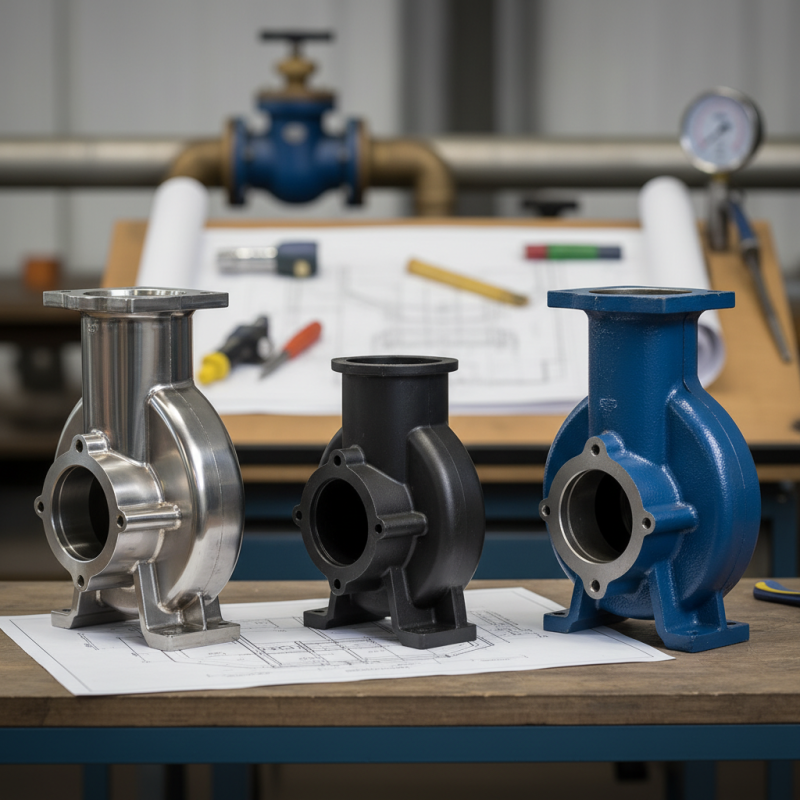
Moreover, different applications require specific materials. Stainless steel, for instance, offers corrosion resistance, ideal for harsh environments. On the other hand, plastic casings are lightweight and cost-effective, but they may not withstand high pressures. Choosing the right water pump casing demands careful consideration and reflection on your specific requirements.
Understanding the Purpose of Water Pump Casings
Water pump casings play a crucial role in the overall efficiency and functionality of a water pump. They provide a protective outer layer, ensuring durability and protection against external elements. The choice of casing material can greatly affect the pump's performance. For example, a casing made from stainless steel can withstand corrosion, making it ideal for harsh environments.
When selecting a casing, consider factors like pressure ratings, temperature range, and fluid type. Reports indicate that around 40% of pump failures are due to improper material selection. This statistic highlights the importance of understanding your specific needs. For instance, if the pump will handle abrasive substances, you may need a more resilient casing.
Tips: Always assess your operational conditions before deciding. If you're uncertain, consult with a professional to ensure the right choice. Remember, it’s better to invest time in selecting the proper casing than to face costly repairs later. Even minor details, such as size and weight, can impact your pump's efficiency significantly.
How to Choose the Right Water Pump Casing for Your Needs? - Understanding the Purpose of Water Pump Casings
| Dimension | Material Type | Application | Operating Pressure (psi) | Temperature Range (°F) |
| 3 inches | Cast Iron | Industrial Water Transfer | 125 | 32 to 180 |
| 4 inches | Stainless Steel | Food Processing | 150 | 15 to 250 |
| 6 inches | Plastic | Agricultural Irrigation | 60 | 32 to 120 |
| 2 inches | Aluminum | Irrigation Systems | 100 | 32 to 150 |
| 5 inches | Fiberglass | Aquaculture | 80 | 40 to 200 |
Factors to Consider When Selecting a Water Pump Casing
Choosing the right water pump casing is crucial for efficiency. Several factors impact your selection. The material of the casing matters greatly. Common choices include plastic, stainless steel, and cast iron. Each material offers different benefits and drawbacks. Plastic is lightweight but may lack durability. Stainless steel is strong but can be expensive. Cast iron is robust, yet heavy.
Consider the environment where the pump will operate. High humidity or corrosive conditions demand materials that resist corrosion. Additionally, think about the temperature range. Extreme heat or cold can affect the casing’s integrity. Size is another important factor. Ensure the casing fits within your available space. Regular maintenance is necessary to check for damage or wear.
Your specific needs may include the pump's flow rate and pressure. These requirements dictate the casing's design. It’s also vital to consider noise levels. Some casings can be noisy, which is an issue for residential areas. Not every option suits every situation, and that can be frustrating. Reflect on your choices; sometimes, what seems perfect might not be practical in the long run. Make sure to weigh all these factors carefully before making a decision.
Water Pump Casing Durability Ratings
Types of Materials Used in Water Pump Casings
When selecting a water pump casing, the choice of material matters significantly. Common materials include cast iron, stainless steel, and plastic. Cast iron casings offer strength and resistance to wear. They can handle high pressure and temperature, making them ideal for heavy-duty applications. However, they are heavy and may corrode if not properly maintained, which could lead to costly replacements.
Stainless steel is another popular option. It boasts excellent corrosion resistance, making it suitable for handling various fluids, including chemicals. According to industry reports, stainless steel can increase a pump's lifespan by up to 30%. However, this material is more expensive. Users must balance cost against performance and durability when choosing their pump’s casing material.
Plastic casings offer lightweight and cost-effective solutions. They resist corrosion but may not withstand high-pressure applications. Certain types of polymer materials provide good chemical resistance but often have lower structural integrity. Often, users find themselves needing to reconsider their choices after early corrosion or failure. Understanding the specific requirements of the application can prevent such issues. Always assess the conditions and the long-term implications of your material choice.
Evaluating Size and Compatibility for Your Water Needs
Choosing the right water pump casing involves careful consideration of size and compatibility. This directly affects efficiency and reliability. According to the U.S. Department of Energy, a mismatched casing can lead to a 20% decrease in performance. Therefore, size must be evaluated before making a choice.
Tips for selection: Measure the required flow rate accurately. Make sure the casing matches the pump you plan to use. Additionally, assess the depth and width of your water source. Incompatible sizes can lead to increased wear and tear. Using a casing that is too small can strain the pump. Conversely, an oversized casing may lead to cavitation, causing pump damage.
Compatibility is not just about size. Materials also matter. Different environments demand different materials for durability. A report from the American Society of Mechanical Engineers indicates that corrosion can reduce pump life by up to 50%. Always consider environmental factors when choosing a casing. Small details can significantly impact longevity. Thus, the right decision involves balancing multiple factors.
Maintenance and Durability of Water Pump Casings
When selecting a water pump casing, durability and maintenance are crucial factors. According to a recent industry report, about 30% of water pump failures relate to casing material issues. A poor choice can lead to early wear and costly repairs. Common materials include cast iron, stainless steel, and thermoplastics. Each has its pros and cons, especially in different environments.
Proper maintenance extends the life of your water pump casing. Regular inspections can catch corrosion and wear before they escalate. It's vital to assess the operating conditions. For example, high temperatures may necessitate more frequent checks. A maintenance schedule tailored to usage can prevent major failures.
Tips for maintaining casing:
- Inspect seals and gaskets every month.
- Clean casings to prevent buildup.
- Ensure proper lubrication of moving parts.
Ignoring these aspects can result in unexpected downtime. Even the best materials require attention. Realizing that regular upkeep is essential can save both time and money in the long run.