How to Choose and Install a Roll Down Fire Door?
When it comes to fire safety, the importance of a Roll Down Fire Door cannot be overstated. These doors play a crucial role in limiting the spread of smoke and flames during a fire. According to the National Fire Protection Association, fire doors can reduce injuries and save lives by providing an effective barrier. With over 3,000 lives lost annually due to fire-related incidents, making informed choices regarding fire door installation is vital.
Choosing the right Roll Down Fire Door involves various considerations. Factors include material, fire rating, and specific installation needs. Diagrams and guidelines published by the Fire Protection Engineering industry suggest that proper installation is essential. An improperly installed fire door can become ineffective and fail to meet safety standards. Many users overlook this detail, thinking fire doors will always perform well, but that isn't true.
Installation challenges also arise. Users often question the complexity, leading to improper setups. The effectiveness of a Roll Down Fire Door hinges on understanding precise installation and maintenance requirements. Reflecting on common installation mistakes could be the key to achieving optimal safety and compliance in any setting.
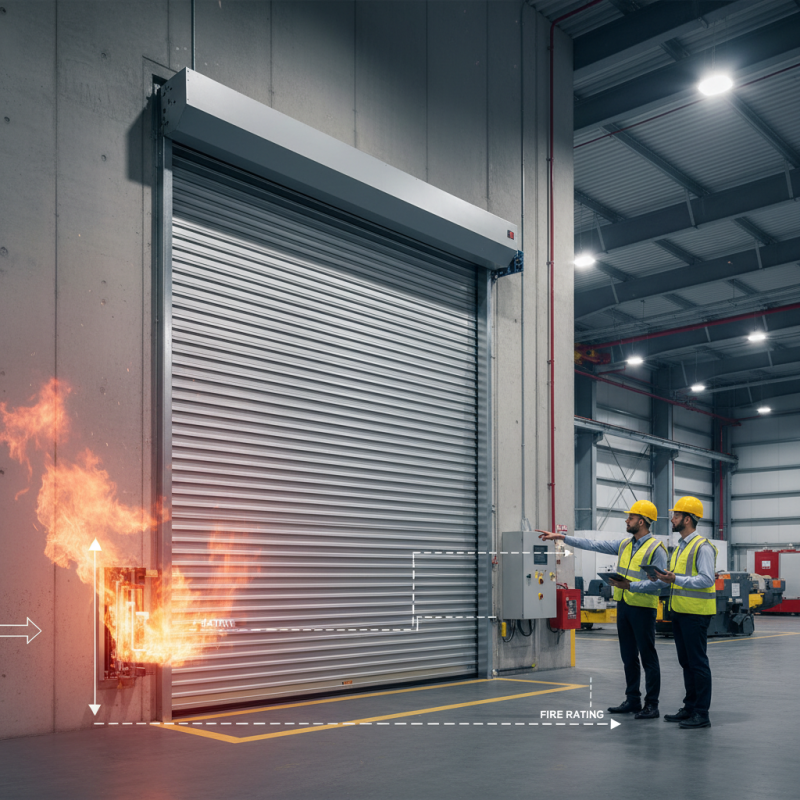
Understanding the Basics of Roll Down Fire Doors
Roll down fire doors are essential for fire safety in commercial and industrial buildings. They provide a barrier against smoke and flames, limiting the spread of fire. According to a report by the National Fire Protection Association, properly installed fire doors can reduce damage by up to 80%. This highlights their importance in protecting assets and lives.
Understanding the components of roll down fire doors is crucial. They typically feature steel construction to withstand extreme conditions. A reliable fire door must comply with relevant fire safety standards, ensuring functionality during emergencies. Routine inspections can reveal vulnerabilities, which is vital for long-term safety.
Installation requires careful consideration of the surrounding structure. Poor installation can compromise their effectiveness. In fact, up to 70% of fire doors fail to operate correctly during tests. This statistic emphasizes the need for skilled professionals during installation for maximum protection. Planning for regular maintenance also adds an extra layer of safety.
Factors to Consider When Choosing a Roll Down Fire Door
When selecting a roll down fire door, several factors come into play. The fire rating is crucial, as it indicates how long the door can withstand flames. Typical ratings range from 20 to 180 minutes. Consider the door's size as well. An incorrect size can compromise safety. Don't forget about the installation requirements. Some doors need more space for a proper fit.
Next, think about the material of the door. Steel is common because it offers durability and resistance. Aluminum may be lighter, but it might not provide the same fire rating. The door's design matters too. A design that fits well with the overall architecture enhances aesthetics. Lastly, check the maintenance needs. Doors that are hard to maintain may lead to neglected safety protocols. Regular inspections should be part of any plan.
Step-by-Step Guide to Installing a Roll Down Fire Door
Installing a roll down fire door requires careful planning and execution. This door can protect against fire and smoke, crucial for safety in commercial buildings. Industry reports indicate that a well-installed fire door can reduce fire spread significantly. However, improper installation often leads to failures during emergencies.
Understanding the building layout is vital. Measure the opening where the fire door will be installed. Be precise; even small discrepancies can affect door functionality. Check local building codes and fire regulations. They vary widely. Non-compliance could lead to severe penalties.
Tips: Always wear protective gear during installation. Use a drill with the right torque settings to prevent damage.
Choosing the right materials is also essential. Fire doors are typically made from steel or composite materials. Research fire ratings specific to your needs. Many sources recommend a minimum of a three-hour fire rating for commercial properties.
Tips: Consult with professionals for complex installations. Their experience can highlight potential issues you missed. Reflect on design choices that might sacrifice safety for aesthetics. Always prioritize function over form in fire safety installations.
Maintenance Tips for Roll Down Fire Doors
Regular maintenance of roll down fire doors is essential for ensuring safety. These doors are crucial in controlling fire spread. Inspecting them frequently is a good practice. Look for any signs of wear. Small dents can affect their operation. If the door doesn't roll smoothly, it’s a problem.
Keep the tracks clean. Dust and debris can cause issues. Lubricating the moving parts is also important. Use appropriate products. Overdoing it can attract more dirt. Regular checks on the fire alarm systems connected to the doors are necessary. A malfunction could endanger lives.
Pay attention to the door seals. Damaged seals can become a weak point. Replace them as needed. It's wise to document all maintenance activities. A maintenance log helps track issues. Continuous monitoring can reveal patterns. Think about how you could improve the process. Trust your instincts regarding safety.
Legal and Safety Regulations for Fire Door Installation
When installing a roll-down fire door, legal and safety regulations must be considered. These regulations ensure the door functions correctly during emergencies. Compliance with local fire codes is critical. Each region may have specific requirements that dictate the type of fire door needed. Knowing this information is essential before starting the installation.
The installation must adhere to guidelines regarding clearances and mounting. This prevents any obstruction that could impede the door’s operation. Fire doors need to be tested regularly. Yet, many businesses overlook this requirement. Over time, wear and tear can compromise the door’s integrity. It's vital to create a maintenance schedule that includes inspections.
Educating employees on fire door usage is crucial. Everyone needs to know how to operate it safely. However, some may forget specific protocols during stressful situations. Regular training sessions can help reinforce these practices. Always address any issues promptly. Ignoring minor problems may lead to significant risks later. It's essential to foster a culture of safety and compliance.