How to Choose the Best Card Box Packaging for Your Business?
Choosing the right Card Box Packaging is vital for any business. It impacts branding, customer experience, and overall functionality. At first glance, selecting the perfect packaging may seem straightforward. However, a deeper look reveals various factors that require careful consideration.
Effective Card Box Packaging should reflect your brand identity. It should also be functional and durable. The material choice can affect both the appearance and protection of the product inside. Are you familiar with eco-friendly options? They have become increasingly important to consumers. Transparency about packaging materials can boost customer trust.
Mistakes often occur when businesses overlook design details. For instance, size discrepancies can lead to poor unboxing experiences. Evaluating your target market is crucial. What appeals to your customers? Keep your options flexible. The ideal packaging often requires a trial and error approach. Reflecting on these aspects will guide you to make informed decisions.
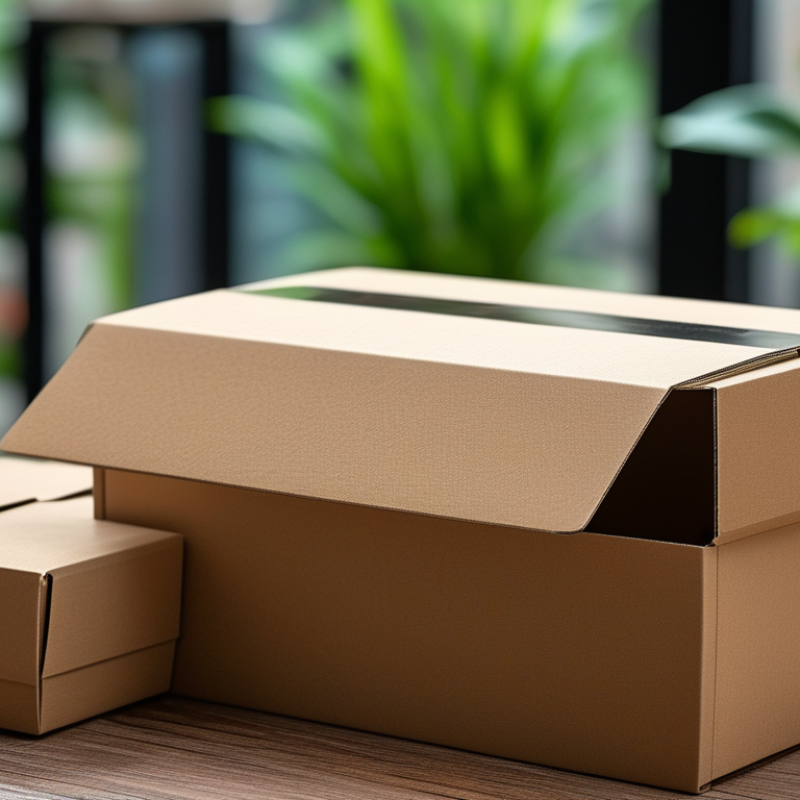
Understanding the Importance of Card Box Packaging for Your Brand
Card box packaging plays a vital role in shaping your brand's identity. It communicates your brand's values and quality to customers. According to a study by the Paper and Packaging Board, 72% of consumers believe that packaging design influences their purchasing decisions. This highlights the significant impact that packaging has on brand perception.
Choosing the right card box can enhance product visibility and encourage repeat purchases. The texture and color of the packaging can evoke emotions. A well-designed box can convey trust and authenticity. Remember that 57% of consumers prefer packaging that looks environmentally friendly. This trend emphasizes the importance of sustainable materials in your design process.
Tip: Invest time in researching your target audience's preferences. Understand their likes and dislikes regarding packaging. Test multiple designs through focus groups. Get feedback!
Another aspect to consider is the practicality of your packaging. A beautiful box should also be functional. Overly complicated designs can frustrate customers. Ensure that your packaging protects the product while being easy to open. Direct feedback from customers often reveals areas for improvement. Listen to critiques, and adjust designs accordingly.
Identifying the Needs and Goals of Your Business Packaging
When identifying the needs and goals of your business packaging, it’s important to consider functionality. What will the box be used for? Will it hold fragile items or lightweight products? Understanding the primary purpose can help you choose the right materials. Strong cardboard might be necessary for durability, while eco-friendly options can appeal to environmentally conscious consumers.
Aesthetic appeal is another key factor. Consider your brand identity. What colors and designs resonate with your target audience? Eye-catching visuals can make a product stand out. However, overloading a box with graphics may confuse customers. Striking a balance between visual appeal and clarity is essential.
Reflecting on your supply chain is also crucial. How will the boxes be transported? Will they stack easily? Shipping costs can add up quickly if your packaging is not optimized. Consider testing prototypes to evaluate their performance during transit. Each decision should align with your business goals, ensuring your packaging supports overall success while solving practical challenges.
Evaluating Different Types of Card Box Materials and Their Benefits
When selecting card box materials, consider functionality and aesthetics. Corrugated cardboard is popular for its durability. Industry reports indicate that over 30% of packaging is corrugated, offering excellent protection during shipping. It is lightweight, which can lower shipping costs significantly. However, its reliance on trees raises environmental concerns.
Paperboard is another option, ideal for retail packaging. It offers a smoother surface for printing, making it visually appealing. According to the Paper and Paperboard Packaging Environmental Council, paperboard recycling rates are around 80%. This material is often seen as a more sustainable choice. Nevertheless, it may not provide the same level of protection as corrugated boxes.
Biodegradable options are gaining traction in the market. These materials, made from natural fibers, can decompose in months, reducing landfill waste. A recent study found that 45% of consumers prefer eco-friendly packaging. Companies need to balance sustainability with product safety. The right material impacts both the customer experience and the brand’s image significantly.
Designing Eye-Catching Graphics and Branding for Your Card Boxes
When designing packaging for card boxes, visuals are crucial. Eye-catching graphics immediately attract customers. Thoughtful design can convey the essence of your brand. Incorporate colors and patterns that resonate with your target audience. Be aware, though; trends change rapidly. What looks appealing today might not resonate tomorrow.
Branding is more than just a logo. It’s about storytelling through packaging. Use visuals to tell a story about your product. Think about the emotional connection you want to create. Ensure your graphics align with your values. Reflect on your target market's preferences; they play a vital role in design choices.
It’s important to maintain consistency across various platforms. Yet, balance uniqueness and brand identity. Experiment with different designs but don’t stray too far from your core message. Feedback is essential; it can lead to valuable insights. Embrace imperfections in designs as opportunities for growth. Each iteration teaches something new about your audience and your brand.
Cost Considerations and Budgeting for Card Box Packaging Solutions
When budgeting for card box packaging, consider material costs. Cardboard quality significantly impacts pricing. Thicker, high-quality cardboard lasts longer but costs more. Weigh the benefits against your business needs. For lighter products, cheaper materials might suffice. However, if durability is crucial, invest in better options.
Also, factor in design elements. Custom prints and finishes elevate brand perception but add to expenses. Simple designs are often more economical. It's essential to strike a balance between visual appeal and cost. Reflect on how much branding matters for your product. A strong visual presence can justify spending more.
Shipping efficiency is another critical aspect. Lighter boxes reduce shipping costs but might compromise protection. Test different designs to find the best fit for your needs. Sometimes, excess packaging leads to waste and higher costs. Regularly review your packaging choices and make adjustments based on customer feedback and changing market trends.
How to Choose the Best Card Box Packaging for Your Business?
| Dimension | Material Type | Cost per Unit ($) | Quantity Range | Total Cost ($) |
| 6 x 4 x 2 in | Recycled Paperboard | 0.50 | 100 - 500 | 50 - 250 |
| 8 x 6 x 4 in | Kraft Paper | 0.75 | 250 - 1000 | 187.5 - 750 |
| 10 x 8 x 3 in | Fluted Cardboard | 1.00 | 500 - 2000 | 500 - 2000 |
| 12 x 10 x 5 in | White Cardboard | 1.25 | 1000 - 5000 | 1250 - 6250 |
| 14 x 12 x 6 in | Biodegradable Paper | 1.50 | 5000+ | 7500+ |