How to Choose the Best Corrugated Cardboard Single Facer?
Choosing the right Corrugated Cardboard Single Facer is crucial for businesses focused on efficiency and quality. This decision impacts production speed and the quality of the final product. An ideal single facer balances cost, technology, and output. This machinery, though beneficial, can come with drawbacks that require careful consideration.
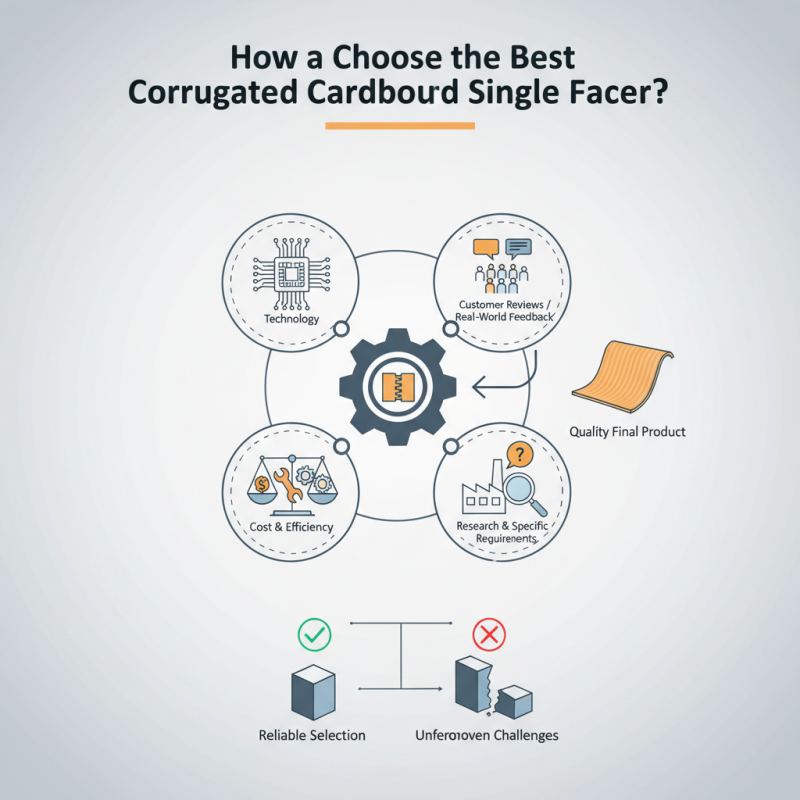
In this guide, we will explore various factors to determine the best Corrugated Cardboard Single Facer for your needs. You must assess the technology involved, as advancements can lead to improved performance. Customer reviews play a role in shaping your decision. Experiences shared by others can reveal both strengths and weaknesses of different models. Sometimes, overlooked details can lead to unforeseen challenges.
Ultimately, investing time in research is vital. Each manufacturer offers unique features and advantages. Be wary of claims that sound too good to be true. Practicality and real-world feedback should lead your choice. Understanding your specific requirements will guide you towards making a reliable selection.
Understanding the Functionality of Corrugated Cardboard Single Facers
Choosing the right corrugated cardboard single facer is crucial in packaging. Understanding its functionality can enhance production efficiency. A single facer plays a vital role in the corrugation process. It combines linerboard with medium to create a corrugated sheet. According to industry reports, around 60% of packaging waste comes from ineffective machinery. This highlights the need for well-functioning single facers.
Efficiency is determined by several factors. These include the speed of operation and the quality of the adhesive. Some machines may underperform, leading to wavy or weak corrugation. Proper adjustments are essential. Operators should be aware of humidity levels, as they affect paper adhesion. A study indicated that 70% of production issues stem from environmental conditions.
Regular maintenance can extend the lifespan of a single facer. Operators should regularly check for wear and tear. Ignoring these can lead to costly breakdowns. Additionally, using quality materials is necessary. Poor-quality paper can compromise the final product. The right single facer ensures reduced waste and increased profitability for manufacturers.
Key Features to Consider When Selecting a Single Facer Machine
Choosing the right corrugated cardboard single facer machine requires careful consideration of various key features. One essential aspect is the speed of the machine. A higher speed machine can boost production but may sacrifice quality if not managed correctly. Evaluate the machine's ability to handle various thicknesses and grades of paper. This flexibility can accommodate different production requirements.
Another critical feature is the type of adhesive system used. Some machines offer hot melt, while others utilize water-based adhesives. Each has its advantages and drawbacks. Ensure the adhesive system aligns with your production needs. Look for machines that provide ease of maintenance. A complex system may lead to frequent downtimes.
**Tips:** Prioritize machines with reliable customer support. This can help minimize disruptions in production. Regular maintenance is also key. A well-maintained machine performs efficiently. Remember, every feature has its trade-offs, so weigh them carefully. Consider seeking expert opinions or user reviews to gain insights into real-world performance.
How to Choose the Best Corrugated Cardboard Single Facer? - Key Features to Consider When Selecting a Single Facer Machine
| Feature | Importance | Specifications |
| Production Speed | High | 80 - 200 m/min |
| Maximum Roll Width | Medium | 1400 - 2500 mm |
| Adjustable Pressure | High | Variable options available |
| Ease of Use | High | User-friendly interface |
| Durability | Very High | Robust construction materials |
| Maintenance Needs | Medium | Regular checks recommended |
| Energy Efficiency | High | Low power consumption models available |
Evaluating the Production Capacity and Speed Requirements
When choosing a corrugated cardboard single facer, understanding production capacity and speed is crucial. Production capacity dictates how much material can be processed in a given time. This impacts your ability to meet customer demands efficiently. Therefore, assess your requirements carefully. Consider the expected output and any fluctuations in demand.
A machine’s speed affects overall productivity. If it operates too slowly, it may hinder your business growth. Conversely, a machine that works too quickly may compromise quality. Striking a balance is essential.
Tips: Focus on machines that allow adjustments. This helps cater to varying production needs. Regular maintenance ensures consistent performance. Don’t overlook operator training, as skilled workers maximize productivity. Investing in a reliable machine pays off in the long run. Adjust settings based on daily operations to find the sweet spot. Experiment with different materials to understand how they affect speed and quality.
Production Capacity and Speed Requirements of Corrugated Cardboard Single Facers
Assessing the Quality and Durability of Materials Used
When choosing a corrugated cardboard single facer, material quality and durability are critical. The main component, the paperboard, should meet industry standards. A study by the Institute of Packaging Professionals indicates that optimal fiber content can significantly enhance durability, ensuring it withstands stress during production and transportation. The ideal weight for paperboard is often between 100-150 GSM, balancing strength and flexibility.
Examining adhesive quality is equally essential. A durable adhesive can improve bonding strength and resistance to environmental factors. Recent reports highlight that using eco-friendly adhesives can enhance water resistance while maintaining structural integrity. Additionally, the surface texture affects printability and adhesion, which can impact overall quality.
A thorough evaluation also includes checking for any potential flaws. Imperfections in the paperboard, such as wrinkles or uneven thickness, can lead to significant performance issues. Testing involves simulating real-world conditions to see how the material behaves under pressure and moisture. This comprehensive approach ensures that the chosen single facer meets both performance and durability standards.
Comparing Costs and Maintenance Needs of Different Models
When selecting a corrugated cardboard single facer, understanding the costs and maintenance needs of different models is crucial. Costs can vary significantly based on technology, size, and output capacity. Entry-level models may seem budget-friendly, but they often require more maintenance. Higher-end machines might have a steep initial cost but offer better efficiency and durability over time.
Maintenance is another vital consideration. Some models require frequent upkeep, which can add to operational expenses. It's essential to analyze service intervals and the availability of spare parts. A machine that breaks down often will disrupt production and lead to losses. Additionally, training staff on proper maintenance can mitigate issues but requires investment.
In practice, operators may experience challenges with specific models that seemed perfect on paper. Sometimes, user manuals lack clarity, leaving operators frustrated. Regular reviews and feedback from users can help in understanding real-world performance. This aids in making better decisions about which model truly fits your needs and budget. Be mindful of these aspects while choosing the right single facer for your operation.