How to Choose the Best Food-Grade Packaging for Your Products?
Choosing the right Food-Grade Packaging can significantly impact the safety and quality of food products. Renowned packaging expert Dr. Emily Hart once stated, “Quality packaging is crucial in ensuring food safety.” This highlights the importance of selecting materials that meet safety standards.
When considering Food-Grade Packaging, various factors come into play. The material must be non-toxic and suitable for food contact. For example, materials like polyethylene and polypropylene are popular choices. They ensure durability while protecting food from contamination. However, not all packaging types can effectively shield against environmental factors.
Additionally, businesses should reflect on cost-effectiveness versus quality. It might be tempting to choose cheaper options, but these can compromise safety. The art of selecting Food-Grade Packaging involves balancing performance and affordability. Ultimately, the choices made today will shape consumer trust tomorrow.
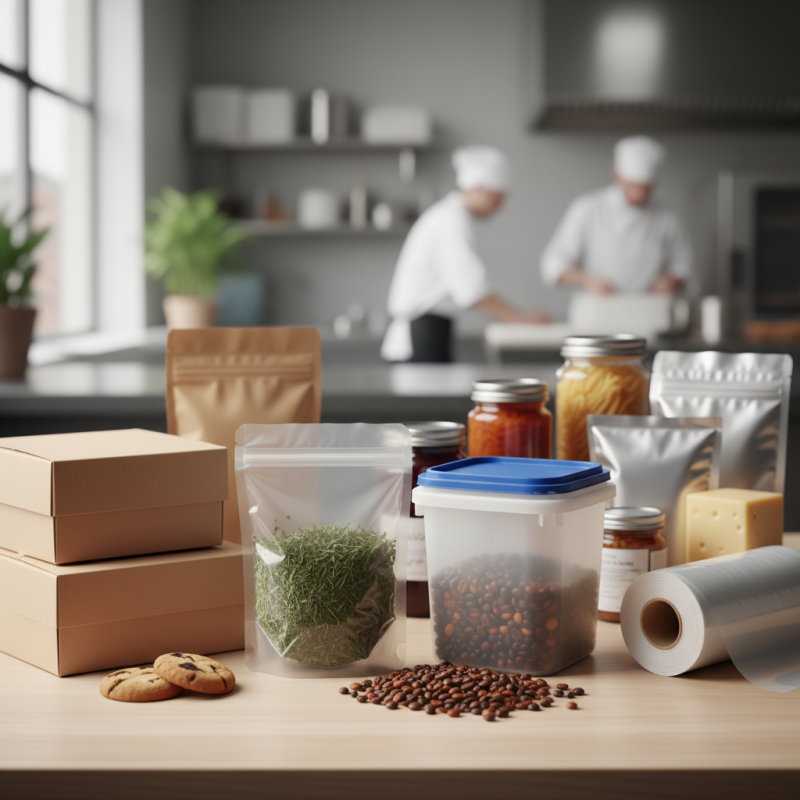
Understanding Food-Grade Packaging and Its Importance for Safety
Food-grade packaging plays a crucial role in ensuring the safety and quality of food products. It is essential to use materials that are non-toxic and safe for food contact. Improper packaging can lead to contamination. This can happen through chemical leaching or microbial growth. Selecting the right type can seem overwhelming, but understanding the basic materials helps.
Consider paper, plastic, and metal options. Each material has unique benefits and drawbacks. For example, certain plastics are lightweight and durable, yet may degrade over time. Paper products are recyclable, but they often lack moisture resistance. Metal containers are robust but can sometimes react with acidic foods. Consumers should remain aware of these factors when choosing packaging.
Reflecting on the shortcomings of your choices can be beneficial. Take note of how packaging affects storage and shelf life. Some food products require specialized designs for maximum freshness. Ignoring these details can lead to spoilage and loss of quality. Strive for a balance between aesthetics and functionality in your packaging decisions.
Food-Grade Packaging Material Comparison
Identifying Key Factors in Selecting Food-Grade Materials
Choosing the right food-grade packaging is crucial for product safety and consumer trust. Understanding key factors helps in this decision. Materials must meet safety standards set by organizations like the FDA. Reports show that 70% of consumers check packaging for safety information.
Sustainability is another important factor. Many buyers prefer materials that are biodegradable or recyclable. A survey from Packaged Facts indicates that 66% of shoppers would pay more for eco-friendly packaging. However, sourcing these materials can be challenging. Vendors may not always disclose their sourcing practices.
Durability cannot be overlooked. Packaging must protect food from contamination. A study found that 25% of food waste is due to inadequate packaging. Considerations such as barrier properties and shelf-life are essential. Some materials may not perform well under different environmental conditions, leading to potential quality issues.
Comparing Different Types of Food-Grade Packaging Options
When it comes to food-grade packaging, several options stand out. Flexible packaging is versatile and lightweight. This option often includes pouches and wraps, making it ideal for snacks and perishable items. Many businesses favor this due to its lower cost and ability to save space. However, it can sometimes lack durability against external factors.
Rigid packaging, like jars and containers, provides sturdiness. This type works well for items like sauces and dried goods. Its strength can extend shelf life, but these containers may be heavier and more expensive. In addition, rigid packaging might not be as environmentally friendly.
Biodegradable options are gaining popularity too. They offer a sustainable alternative for eco-conscious brands. These materials often break down more easily, reducing waste. On the downside, they may not always provide the same barrier properties as traditional materials. Each option comes with unique strengths and weaknesses, requiring careful consideration for your products.
Evaluating Regulatory Standards for Food Packaging Compliance
When it comes to food-grade packaging, regulatory compliance is crucial. Understanding local and international standards can be challenging. Regulations vary by country and product type. For example, some materials may be approved for direct food contact while others are not. Always check the specific guidelines for your products.
Testing and certification play essential roles in compliance. Many companies conduct tests to ensure their packaging is safe. However, not all tests are the same. Some may miss certain contaminants. Ensuring that your packaging meets appropriate safety levels can be complex. Regular audits and updates on regulations are necessary.
Thinking critically about packaging choices is important. It’s easy to overlook details. For instance, even a slight change in packaging material might affect compliance. Be proactive in understanding potential risks. Evaluate your suppliers' certifications and track records. This diligent approach can prevent costly compliance issues down the line.
Ensuring Sustainability in Food-Grade Packaging Choices
Sustainability is a crucial aspect of food-grade packaging. As consumers become more eco-conscious, brands must adapt. In 2021, a study found that 74% of consumers were willing to pay more for sustainable packaging options. This shift emphasizes the need for businesses to explore eco-friendly materials.
Biodegradable options, like compostable films, are gaining popularity. They can break down in a few months rather than decades. A report from the World Economic Forum revealed that plastic waste could triple by 2040 if current practices continue. This alarming forecast pushes businesses to seek alternatives.
However, making sustainable choices isn't straightforward. Many sustainable materials can be more costly upfront. Some innovations are not yet ready for mass production. Balancing cost and eco-friendly options presents challenges. Awareness and adaptability are key to successful packaging choices that truly benefit the environment.
How to Choose the Best Food-Grade Packaging for Your Products? - Ensuring Sustainability in Food-Grade Packaging Choices
| Packaging Type | Material | Sustainability Rating | Recyclability | Cost per Unit |
| Biodegradable Bags | PLA, Corn Starch | A+ | Yes | $0.10 |
| Glass Jars | Glass | A | Yes | $0.50 |
| Aluminium Foil | Aluminium | B | Yes | $0.15 |
| Kraft Paper Boxes | Recycled Paper | A | Yes | $0.25 |
| Plastic Pouches | LDPE | C | Limited | $0.05 |