How to Choose the Best Powder Packaging Machine for Your Needs?
Choosing the right Powder Packaging Machine is essential for any business focused on efficiency and quality. The decision is often complicated. Each machine offers unique features and capabilities. Businesses must consider various factors before making a purchase.
When evaluating a Powder Packaging Machine, think about your production volume. How much product do you need to package daily? The machine's speed and reliability should align with your requirements. Additionally, consider the types of powders you will package. Different powders may require specific machine adjustments.
Don't overlook the importance of budget constraints. Some machines are high-tech and costly, while others are more basic. Finding a balance is crucial. Research different brands and read customer reviews. It’s vital to reflect on what features you absolutely need. A machine that looks good on paper may not perform well in practice. Make a careful choice.
Understanding the Different Types of Powder Packaging Machines
When choosing a powder packaging machine, understanding the different types is essential. There are several design options. For instance,
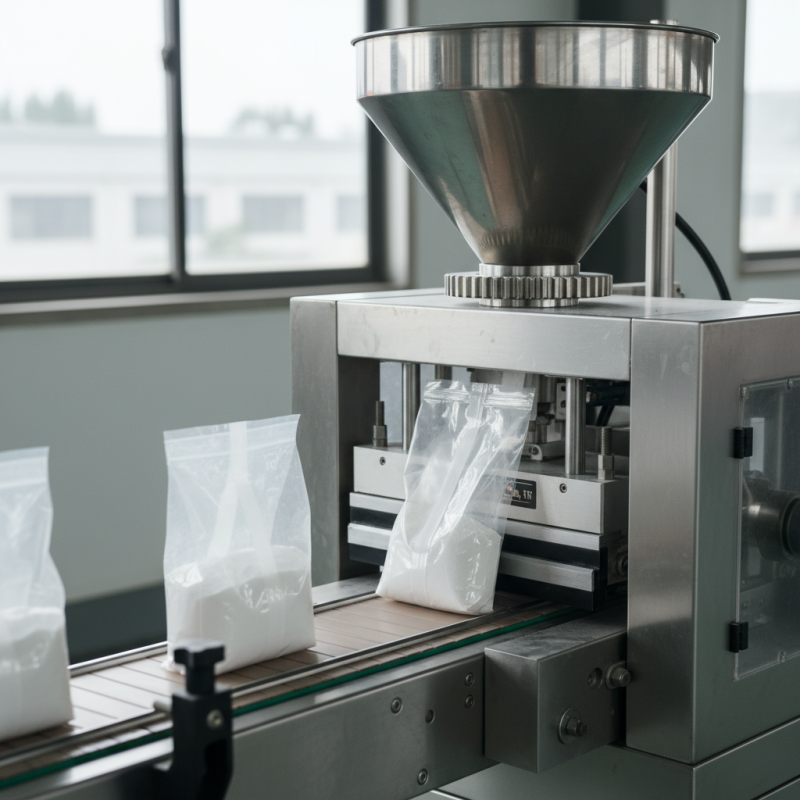
vertical form-fill-seal machines are popular for their efficiency. They create packages from flat rolls of film.
This type works well for many powders, including coffee and spices. Meanwhile, horizontal machines offer more versatility for larger products.
Another option is the auger filler. This machine is great for precise measurements. It uses a rotating screw to fill containers with powders.
It’s often seen in pharmaceutical and cosmetic industries. However, these machines can be slower compared to other types. It's important to consider your
production rate when selecting a machine.
Some machines are designed for high-speed operations, while others focus on accuracy.
This can lead to choosing a machine that doesn’t entirely meet your needs. A slower machine might be inefficient for large-scale production.
Yet, investing in a high-speed model could lead to waste if your output does not justify it.
Take the time to reflect on your specific requirements before making a decision.
Key Features to Consider When Selecting a Powder Packaging Machine
When selecting a powder packaging machine, several key features must be considered. The speed of the machine is crucial. Evaluate how fast it can package your product. A faster machine may seem better, but it can increase errors. Balance speed with accuracy.
Another important aspect is the machine’s flexibility. Does it handle various powder types? Some machines excel with granular powders, while others may struggle. Ensure the machine can accommodate your specific product needs without modifications. A machine that can adapt can save time and money.
Tip: Always review the user feedback. Look for common issues reported by other users. This can provide insights into the machine's reliability and performance. Additionally, consider the maintenance requirements. Some machines may need frequent servicing, which can lead to downtime.
Safety features matter too. Check for guards and emergency stops. Make sure the machine complies with safety regulations. A safe machine protects employees and reduces liability. A thoughtful selection now prevents future complications.
Assessing Your Production Capacity and Speed Requirements
When choosing a powder packaging machine, consider your production capacity. How much do you need to package daily? If you overestimate, you waste money. On the other hand, underestimating can lead to delays. Finding a balance is key.
Speed is equally crucial. Determine the speed at which you want to operate. Some machines can package quickly, but may compromise quality. Contracts may also be overlooked if you rush. Imagine a line where packages are misaligned. It’s not a satisfying outcome.
Think about your workflow, too. Does your production line allow for smooth transitions? Can the machine handle various powder types? These factors impact efficiency. Sometimes, a versatile machine is preferable to one dedicated to a single task. Reflect on your needs deeply. What may seem perfect initially could require adjustments later.
Production Capacity and Speed Requirements for Powder Packaging Machines
Evaluating the Material Compatibility and Machine Durability
Selecting the right powder packaging machine involves careful consideration of material compatibility and machine durability. Different powders, like chemicals, food ingredients, or pharmaceuticals, require specialized handling. The machine must withstand the unique properties of these materials to ensure consistency and quality. Reports indicate that the wrong choice could lead to contamination or product loss, which is costly.
When evaluating machines, consider the materials used in construction. Stainless steel is preferred for its resistance to corrosion, while plastic may suffice for less demanding applications. Incompatibility can lead to breakdown or compromised products over time. For example, using a machine not designed for fine powders can result in excessive wear and tear. Data shows that up to 15% of manufacturing losses stem from inadequate packaging processes.
Tips: Always request sample testing before finalizing your machine. Validate that it meets your specific powder characteristics. Regular maintenance is crucial for ensuring longevity. A well-maintained machine can last significantly longer—up to 30% more time—than one that isn’t. Keep detailed records of machine performance and address issues promptly. This proactive approach can save both time and cost.
How to Choose the Best Powder Packaging Machine for Your Needs?
| Factor |
Description |
Considerations |
Durability Rating |
| Material Compatibility |
Evaluate the types of powder materials that can be processed. |
Check for compatibility with fine powders, granules, and aggressive chemicals. |
High |
| Machine Durability |
Assess the build quality and materials used in the machine's construction. |
Consider the operational environment and potential wear and tear. |
Medium |
| Automation Level |
Level of automation required for the packaging process. |
Evaluate labor costs versus the benefits of automation. |
High |
| Speed of Operation |
The number of packages the machine can produce per hour. |
Determine production requirements and throughput needs. |
Variable |
| Maintenance Requirements |
Frequency and ease of maintenance needs for the machine. |
Check for availability of parts and support services. |
Medium |
Budgeting for Initial Investment and Long-term Operating Costs
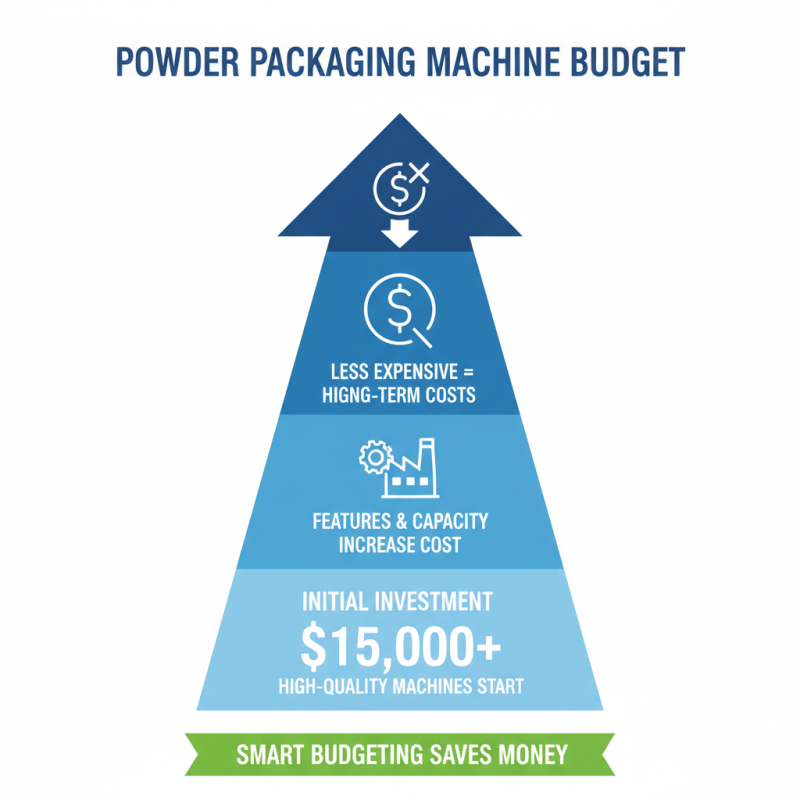
When choosing a powder packaging machine, budgeting is key. Initial investment costs can vary greatly. High-quality machines often start at around $15,000. This amount can increase based on features and capacity. Keep in mind, less expensive options may lead to higher long-term operating costs.
Long-term costs include maintenance, labor, and energy consumption. According to industry reports, a poorly maintained machine can increase operating costs by up to 30%. Evaluate the maintenance support offered. A machine that requires frequent parts replacement may not be worth the initial savings.
**Tips:** Always consider the machine's efficiency. A machine with a higher output may save you money in the long run. Look for energy-efficient models. They might have a higher upfront cost but can significantly reduce your monthly expenses.
Also, think about your production scale. A small operation may not need a high-capacity machine. Understand your specific needs before committing. Making informed decisions can prevent future regrets. A rushed choice can lead to costly mistakes in operations.