How to Choose the Best Safety Shoes for Your Needs?
Choosing the right Safety Shoes is crucial for protecting your feet in various work environments. According to the Occupational Safety and Health Administration (OSHA), more than 100,000 workplace injuries related to foot injuries occur annually in the United States. Safety shoes can significantly reduce these incidents. The right pair offers protection, comfort, and support, which are essential for job efficiency.
Many factors influence the effectiveness of safety shoes. Different jobs require different features, such as slip resistance, steel-toe protection, and waterproof materials. The American National Standards Institute (ANSI) outlines various safety standards, ensuring footwear meets industry requirements. However, not all brands adhere to these standards, making informed choices vital.
Some may overlook the importance of proper fit and comfort. Poorly fitted shoes can lead to long-term injuries. It’s essential to try on multiple pairs and consider your specific needs. Investing time in selecting the best safety shoes can enhance both safety and productivity. Remember, when it comes to safety footwear, quality matters.
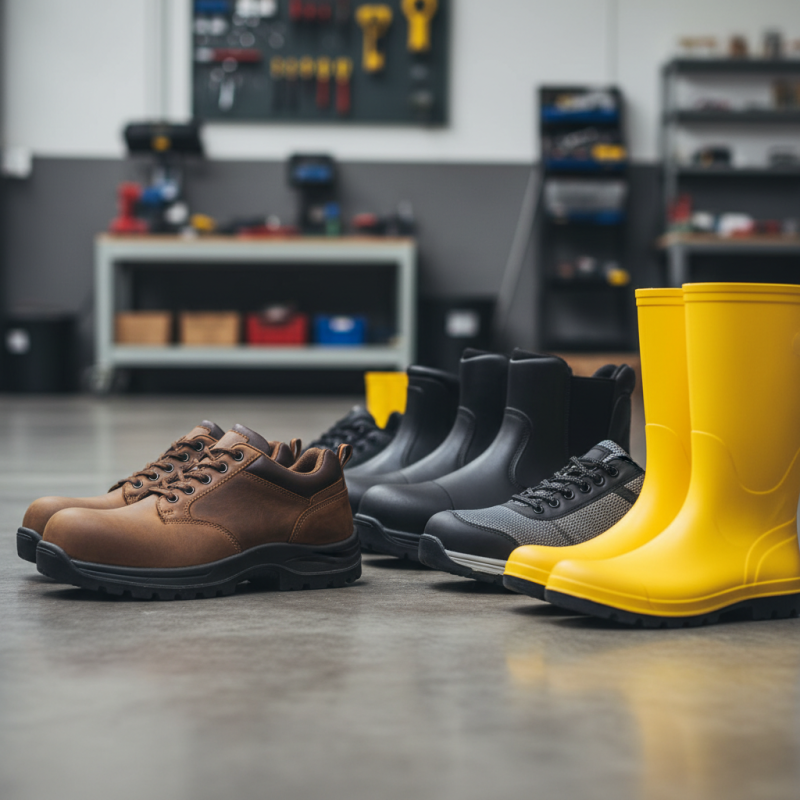
Understanding the Importance of Safety Shoes for Workplace Protection
Safety shoes play a crucial role in protecting workers from various hazards. Proper footwear can prevent injuries sustained from falling objects, sharp materials, and slippery surfaces. According to the National Safety Council, an estimated 25,000 workplace foot injuries occur each year. These injuries can lead to significant downtime and financial losses.
Choosing the right safety shoes is essential. Look for features like steel toes, slip resistance, and electrical hazard protection. These elements can significantly reduce the risk of injuries. Many organizations recommend shoes that meet ANSI or ASTM standards for safety footwear. It's wise to consult safety professionals to understand the specific requirements for different work environments.
Tip: Always prioritize comfort. A poorly fitting shoe can lead to blisters and discomfort, leading to reduced productivity. Consider shoes that offer breathable materials and cushioned insoles.
Remember, safety shoes are an investment in your health. Employees need to assess their workplace hazards carefully. Make informed choices to enhance safety and minimize risks. Reflect on how often you replace your safety shoes. Worn-out shoes lose support and protection. Prioritize regular inspections and timely replacements.
Identifying Your Specific Safety Requirements and Industry Standards
When selecting safety shoes, it's crucial to identify your specific safety requirements. Different industries have varying standards. According to the Occupational Safety and Health Administration (OSHA), approximately 130,000 workplace foot injuries occur annually. Many of these injuries could be prevented with appropriate footwear.
For example, construction workers often face heavy objects and falling tools. They require shoes with steel toe caps and slip-resistant soles. The National Safety Council notes that 70% of footwear-related injuries are due to slips, trips, and falls. Thus, choosing shoes with a good tread pattern is vital in such environments.
In contrast, healthcare professionals need shoes that provide comfort and support. Their shoes should be easy to clean and flammable, meeting industry standards set by organizations like the American National Standards Institute (ANSI). Many workers overlook the importance of proper footwear, which can lead to fatigue and increased risk of accidents. The Cority report indicates that ergonomic footwear helps reduce foot strain by at least 20%. Understanding these needs ensures better protection and aids in injury prevention.
Analyzing Different Types of Safety Shoes and Their Features
When selecting safety shoes, understanding the different types and their features is crucial. Safety shoes primarily fall into several categories: steel-toe, composite-toe, and slip-resistant models. Each type serves a unique purpose and is suited for specific job environments. For instance, steel-toe shoes offer maximum protection against heavy impacts. According to the American National Standards Institute (ANSI), standard steel-toe caps can withstand up to 2,500 pounds of pressure.
Composite-toe shoes present a lighter alternative while still providing adequate safety. They are often made from materials like Kevlar and carbon fiber. These shoes do not conduct electricity and can be more comfortable in warmer conditions. However, users report they may not offer the same level of impact resistance as steel-toe shoes. Furthermore, slip-resistant shoes incorporate specialized outsoles. This feature can greatly reduce workplace falls, which, according to the Bureau of Labor Statistics, account for over 25% of all workplace injuries.
It's essential to reflect on your job's specific demands. Consider factors such as the types of materials you handle and the surfaces you'll encounter. Finding the right pair may require trying several options. Measurements matter; fit can affect performance and comfort. Over 60% of professionals feel foot pain due to improper footwear choices. This emphasizes the need for thoughtful decision-making when selecting safety shoes.
Evaluating Comfort, Fit, and Durability in Safety Footwear
When selecting safety shoes, comfort, fit, and durability are crucial. A comfortable shoe reduces fatigue. It supports your foot during long hours. Look for models with cushioned insoles. They absorb shock effectively. Your safety footwear should feel good straight away.
The fit is equally important. A shoe that is too tight can cause discomfort and injuries. Ensure there’s enough space for your toes. Wiggle them freely. A proper fit also enhances stability. Frequent adjustments may indicate a poor fit. Try on shoes at the end of the day when your feet are slightly swollen.
Durability can affect your safety gear investment. Check the materials used in the shoe. High-quality leather or synthetic materials often withstand wear. Reinforced toe caps can protect against impacts. Regularly check your shoes for signs of wear. Loose stitching or worn-out soles may mean it’s time for a replacement. Choosing the right safety shoes is not just about aesthetics; it is about protecting yourself daily.
Comparing Price and Brand Reputation in Safety Shoe Selection
When selecting safety shoes, examining brand reputation is crucial. A well-regarded brand often signifies consistent quality. Many trusted manufacturers emphasize safety features. They invest in research and development. This leads to innovative designs that enhance protection and comfort. Look for reviews from real users to understand the performance of these shoes in different environments.
Price is another significant factor. Safety shoes can vary greatly in cost. Often, a higher price reflects better materials and craftsmanship. However, this isn't always the case. Some brands charge more due to marketing, not quality. It’s important to assess the features that matter most for your specific needs. For example, steel-toe vs composite materials can impact both price and comfort.
Balancing price and reputation can be challenging. A lesser-known brand might offer competitive prices but lack comprehensive testing. Conversely, investing in a reputable brand can lead to peace of mind. The best safety shoes provide protection while ensuring comfort. Consider your work environment carefully. The right choice impacts your safety and productivity daily.
Safety Shoe Selection: Price vs. Brand Reputation
This bar chart illustrates the comparative importance of various attributes (Comfort, Durability, Price, Brand Reputation) when selecting safety shoes. Each attribute is rated on a scale of 0 to 100, reflecting its significance in the purchasing decision.