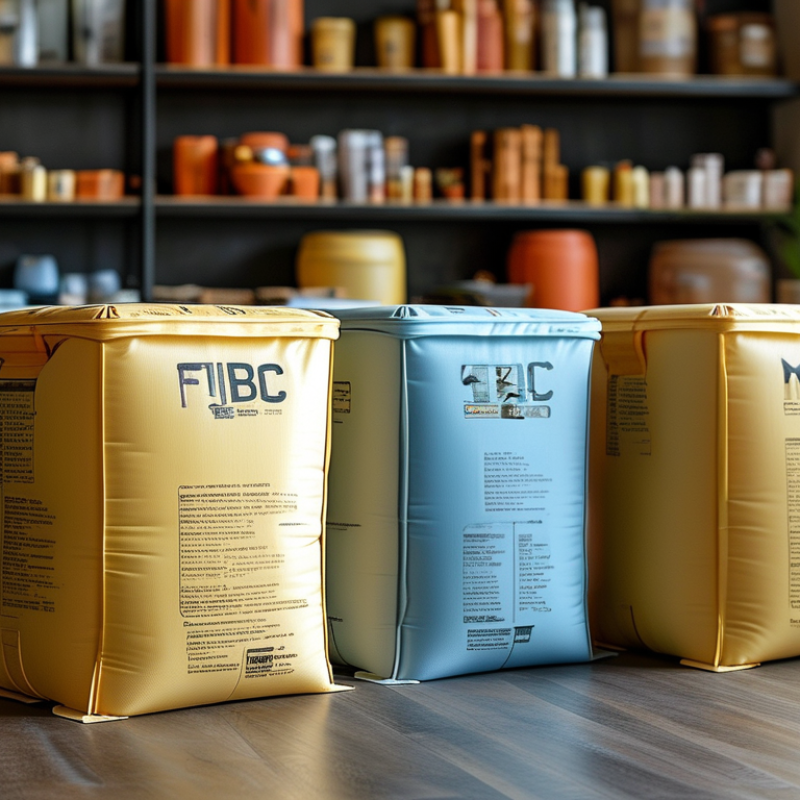
How to Choose the Right FIBC Bulk Bag for Your Needs?
Choosing the right FIBC Bulk Bag is crucial for your business. These bags come in various sizes and specifications. Selecting the wrong type can lead to inefficiencies. A suitable FIBC bulk bag ensures safe transportation and storage of materials.
Consider your specific needs. What type of materials will you be handling? Weight, moisture, and the bag's intended use should influence your decision. Not all FIBC bulk bags are created equal. Some are designed for heavy loads, while others are better for lightweight items.
Reflect on the reliability of suppliers. It is important to choose a reputable provider. They should offer certified products that comply with industry standards. Poor decisions in bulk bag selection can result in lost time and increased costs. Making a well-informed choice benefits your operations significantly.
Understanding FIBC Bulk Bags: Types and Applications
FIBC bulk bags are essential for various industries, including agriculture, construction, and food processing. Understanding the types and applications of these bags is crucial for effective use. Common types include U-panel, tubular, and filling spout bags. Each design suits specific materials and transport methods. U-panel bags are sturdy and ideal for heavy ingredients, while tubular bags offer flexibility and space-saving options.
When selecting a bulk bag, consider the application. Will you transport heavy materials like sand or lightweight items like grains? Determine the bag's capacity, typically ranging from 500 to 5000 kg. Pay attention to fabric strength and the bag's ability to handle moisture. Customization options, such as spouts or liner configurations, can also influence performance.
Tips: Always check the weight capacity before filling a bag. Overloading can lead to failure. Look for bags with safety features, like sewn-in lifting straps. Regularly inspect the bags for wear and tear. This ensures reliability in transportation and storage. A reliable bulk bag safeguards your materials and enhances operational efficiency.
Key Factors to Consider When Selecting an FIBC Bulk Bag
When selecting an FIBC bulk bag, consider the load capacity. Most FIBCs can hold between 500 kg to 2000 kg. The material also plays a vital role. Many bags use woven polypropylene, known for durability. A study observed that UV stabilized bags can last up to five years in outdoor storage, compared to non-stabilized ones, which degrade significantly faster.
Another key factor is the bag's filling and discharge options. Choosing a bag with the right opening method can enhance efficiency. For example, spout top bags allow more controlled filling. Reports suggest that businesses can decrease handling time by up to 30% with optimized bag designs. Additionally, the safety factor is important. Most FIBCs have a safety factor of 5:1, meaning they can safely hold five times the rated load. This ensures reliability, but every application may require a unique assessment.
Consider the environment where the bag will be used. Some bags are designed for specific conditions, like moisture or temperature extremes. A survey revealed that users often face challenges with dust and spills when the wrong bag is chosen. Ensuring the right fit can significantly reduce such issues, though buyers sometimes overlook this aspect. Balancing these factors can lead to better decision-making for your specific needs.
How to Choose the Right FIBC Bulk Bag for Your Needs?
| Factor | Description | Importance Level |
| Material Type | Choose between polypropylene, nylon, or other materials based on the contents. | High |
| Capacity | Select based on the weight and volume of the products to be stored. | High |
| Closure Type | Options include duffle tops, spout bottoms, or open tops for easy access. | Medium |
| Static Dissipation | Necessary for materials that generate static electricity. | High |
| Lifting Options | Consider the type of lifting loops (cross corner, side seam) for safety and compatibility. | Medium |
| Reusability | Determine if the bag will be used multiple times or just once to influence material choice. | Low |
| Custom Features | Options for printing, color, and size adjustments based on specific needs. | Medium |
Material Choices for FIBC Bags: Strength, Weight, and Safety Ratings
When selecting FIBC bags, material choices significantly impact their performance. Polypropylene is the most common choice due to its high strength-to-weight ratio. According to the Flexible Intermediate Bulk Container Association (FIBCA), polypropylene bags can typically carry loads of up to 2,000 kg. This makes them ideal for many industrial applications. However, the decision isn't just about strength.
Safety ratings are also crucial. FIBC bags undergo rigorous testing to determine their safety levels. For instance, bags can be classified according to the UN standard for transporting hazardous materials. A bag rated as Type B can reduce the risk of electrostatic discharge. Meanwhile, Type C bags offer a conductive solution for more sensitive materials. Selecting the right type depends on your specific needs and the materials you plan to handle.
Weight is another critical factor. Lighter bags can reduce shipping costs, but they may lack strength. A balance must be struck between weight reduction and load-bearing capacity. Some research indicates that using heavier materials may provide better durability but can increase overall costs. Evaluating these factors ensures that you make an informed choice that aligns with your operational needs.
Capacity and Size: Matching FIBC Bulk Bags to Your Load Requirements
When selecting the right FIBC bulk bag, capacity and size are crucial. Industry reports suggest that over 70% of bulk bag failures are linked to improper sizing. Understanding your load requirements will help minimize risks. FIBC bags typically come in various dimensions, catering to different weights and dimensions. A standard 1-ton bag usually has a capacity of about 30 cubic feet. This specification ensures compatibility with most industrial loads, whether for construction or agricultural use.
It's important to calculate both the weight and volume of your materials accurately. For instance, a bag carrying sand with a bulk density of 100 lbs per cubic foot will require a different size than one used for lightweight agricultural products. Misjudging these factors can lead to overfilling or underutilizing the bag’s potential, presenting safety risks. Moreover, industry standards recommend a safety factor of 5:1 for most applications, ensuring that the bag can handle at least five times its intended load.
Furthermore, consider the bag's dimensions concerning storage and transport. A bag that fits well in your storage area but cannot be moved efficiently can lead to operational delays. Regular audits of your bag usage can provide insights, revealing whether you frequently overpack or underutilize chosen sizes. These aspects highlight the necessity of aligning FIBC bag specifications with actual load characteristics, ensuring performance and safety across all applications.
Compliance and Standards for FIBC Bulk Bags in Different Industries
FIBC bulk bags serve various industries, each with unique compliance requirements. The manufacturing, food, and pharmaceutical sectors have specific standards that ensure safety and efficacy. Certifications like UN, ISO, and FDA endorsement are crucial for these applications. They indicate the bag's ability to carry specific materials safely. Checking these certifications is essential before making a choice.
Understanding compliance for FIBC bulk bags is not easy. Different industries often follow different standards. For instance, bags used in the food sector must adhere to strict hygiene guidelines. This is to prevent contamination. In the chemical industry, the focus shifts to the bag’s strength to endure hazardous materials. Manufacturers need to remain vigilant about industry standards. Regular audits and updates on regulations can help maintain compliance.
Some organizations struggle with compliance. This can lead to issues like improper use of bags or neglecting safety features. It's vital to invest time in understanding the requirements fully. Regular training for staff on compliance can help mitigate risks. Their awareness of standards directly affects product safety and quality. Choosing the right FIBC bulk bag is a reflective process, one that requires ongoing attention.
FIBC Bulk Bag Compliance Standards by Industry