
How to Choose the Right Plaster Saw for Your Projects?

Choosing the right Plaster Saw can seem overwhelming. There are many types available, each suited for different tasks. The right tool can make a big difference in your project’s outcome.

Consider the purpose of your project. Are you making precise cuts for intricate designs or simple straight lines? This question will guide your selection. A good Plaster Saw should fit comfortably in your hand. Balance and weight matter, especially during extended use.

Pay attention to blade quality and size. A finer blade allows for detailed work, while a broader blade speeds up cutting. Research and product reviews can be helpful, but personal experience is invaluable. You might discover that certain features are not as useful as they first appeared. Learning from trial and error is part of the process.
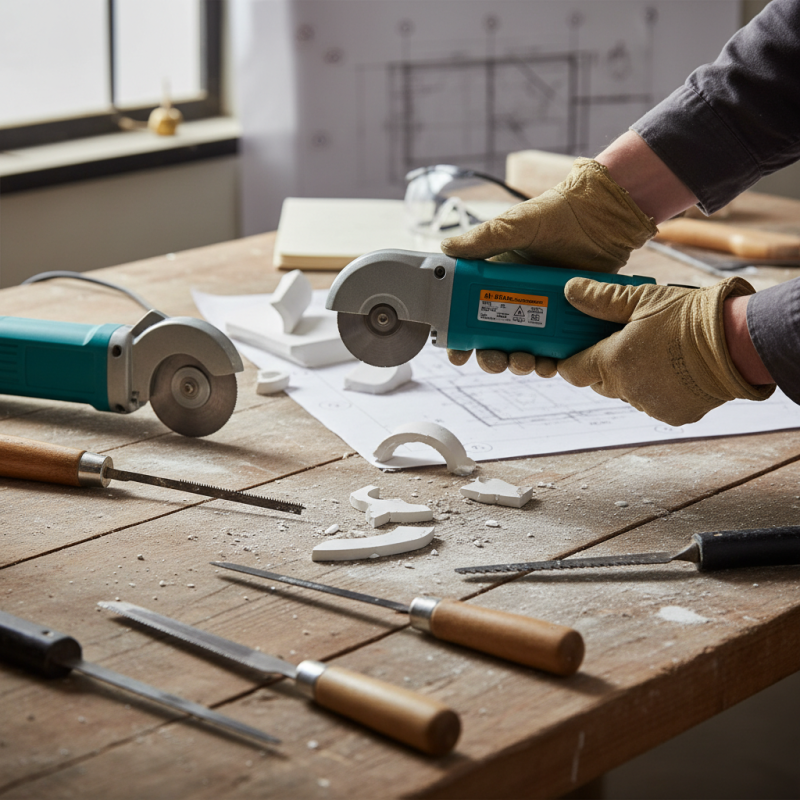
How to Choose the Right Plaster Saw for Your Projects?

Understanding Different Types of Plaster Saws Available on the Market

When selecting a plaster saw, it's essential to understand the different types available. Plaster saws vary in design and function. Each type serves specific needs in various projects. Some saws have coarse teeth for quick cuts, while others feature finer teeth for precision work. It's crucial to choose based on the material and complexity of your plaster project.

Tips: Consider the thickness of the plaster. A thicker wall may need a saw that can handle more stress. Holding the saw in your hand before buying is helpful. Ensure it feels comfortable and balanced.

Power tools and hand saws both exist in this category. Power tools save time. However, hand saws allow for greater control. Choose what feels best for your project needs. Also, take into account your experience level. Beginners might find hand saws easier to manage.

Always reflect on your planned approach. Don’t rush into a purchase. An ill-suited saw can lead to frustrations. Your choice impacts the entire project outcome.

Comparison of Different Types of Plaster Saws

Key Features to Consider When Selecting a Plaster Saw

When selecting a plaster saw, several key features come into play. The blade type is essential. A well-designed blade ensures smooth cuts through plaster. It should be durable and maintain its sharpness over time. Additionally, consider the size of the saw. Larger saws can handle big projects, while smaller ones offer precision for detailed work.

Weight and ergonomics matter too. A heavier saw might support tough cuts, but it can cause fatigue. A lightweight option may be less powerful but is easier to handle. Check the grip. A comfortable handle can make a significant difference during extended use.

Beyond these basics, think about the blade's tooth design. A fine-toothed blade provides cleaner cuts but can be slow. Coarser teeth cut faster but may leave rough edges. Balancing speed and finish is crucial. Look for user reviews. They reveal practical experiences and hidden issues you might not expect. Choosing the right plaster saw requires thoughtful consideration of these features.

How to Determine the Right Blade Size for Your Projects

Choosing the right blade size for your plaster saw is crucial. It directly impacts your cutting efficiency and precision. A blade that is too small might not cut deeper materials effectively. On the other hand, a blade that's too large can be unwieldy and hard to control. You want a balance that allows you to work comfortably.

Consider the depth of the material you'll be cutting. For thin plasterboard, a smaller blade can offer precision. If you're dealing with thicker plaster, opt for larger blades for more effective cuts. Sometimes, projects require finesse, so having a variety of sizes on hand can help. It’s not just about what works. The blade size can also transform your workflow. Also, we all make mistakes, like choosing the wrong blade size at times. Reflecting on these moments can guide you in future projects.

Remember the importance of safety and comfort while selecting blade sizes. If your blade is not suitable, you may find yourself struggling or, worse, injuring yourself. Invest time in finding the right blade for your specific needs. Experiment, learn, and adjust as necessary to perfect your technique. Each cut should not only be precise but also a step towards mastering your craft.

Evaluating Price and Quality: Finding the Best Plaster Saw for Your Budget

Choosing the right plaster saw is crucial for your DIY project. It can impact both quality and budget. When evaluating price, consider what you need the saw for. Basic cuts require less expensive options. However, for intricate work, investing in better quality might save you money in the long run.

Quality is important. A good saw should feel comfortable in your hand. Look for ergonomic grips that can reduce fatigue during long tasks. Think about the material, too. Stainless steel blades tend to offer durability but come at a higher price.

Don't overlook the price-to-value ratio. Sometimes, cheaper models can lead to poor performance. But spending too much doesn’t guarantee the best results. Balance is needed. Read user reviews to gather insights about reliability. It's about finding what fits your personal needs.

How to Choose the Right Plaster Saw for Your Projects? - Evaluating Price and Quality: Finding the Best Plaster Saw for Your Budget

Model Blade Length Material Weight Price User Rating
Model A 10 inches Stainless Steel 1.5 lbs $25 4.5/5
Model B 12 inches Carbon Steel 2 lbs $30 4.0/5
Model C 8 inches Aluminum 1 lbs $20 4.7/5
Model D 14 inches High Carbon Steel 2.5 lbs $35 4.3/5

Maintenance Tips to Extend the Lifespan of Your Plaster Saw

Maintaining your plaster saw is crucial for extending its lifespan. After all, even the best tools wear out without proper care. A recent industry report suggests that regular maintenance can enhance tool longevity by up to 30%. Clean the blade after every use. Dust and plaster residue can create friction, leading to early wear. A soft brush works well to remove debris.

Storage is another key factor. Keeping your plaster saw in a dry, cool place helps prevent rust and damage. Humidity can create a hostile environment, degrading the quality of the blade. Avoid simple mistakes, like leaving the saw in direct sunlight or damp locations.

Additionally, check the blade tension before each project. Loose blades can lead to poor performance and even accidents. Tighten the settings according to the manufacturer's guidelines. It's an easy task, but one that is often overlooked by users. Remember, thoughtful care leads to better results in your projects. Leverage these tips, and your plaster saw will serve you much longer.

Shopping cart