How to Choose the Right Structural Rivets for Your Project?
Choosing the right Structural Rivets for your project is crucial. According to John Smith, a veteran in the structural engineering field, “The right rivet can make or break your project.” His insights highlight how essential proper selection is for durability and safety.
Structural rivets serve various purposes. They can hold together heavy machinery or create sturdy frameworks. Selecting the wrong type can lead to failures. It’s paramount to understand the specifics of your project. Different materials and sizes are available, and each has unique properties.
Many engineers overlook the project requirements. They might choose rivets based on availability, not suitability. This can lead to costly repairs down the line. It’s vital to assess loads, environmental conditions, and installation methods. Only then can you ensure the longevity and maintenance of your structures. Making informed choices about structural rivets can ultimately enhance project success.
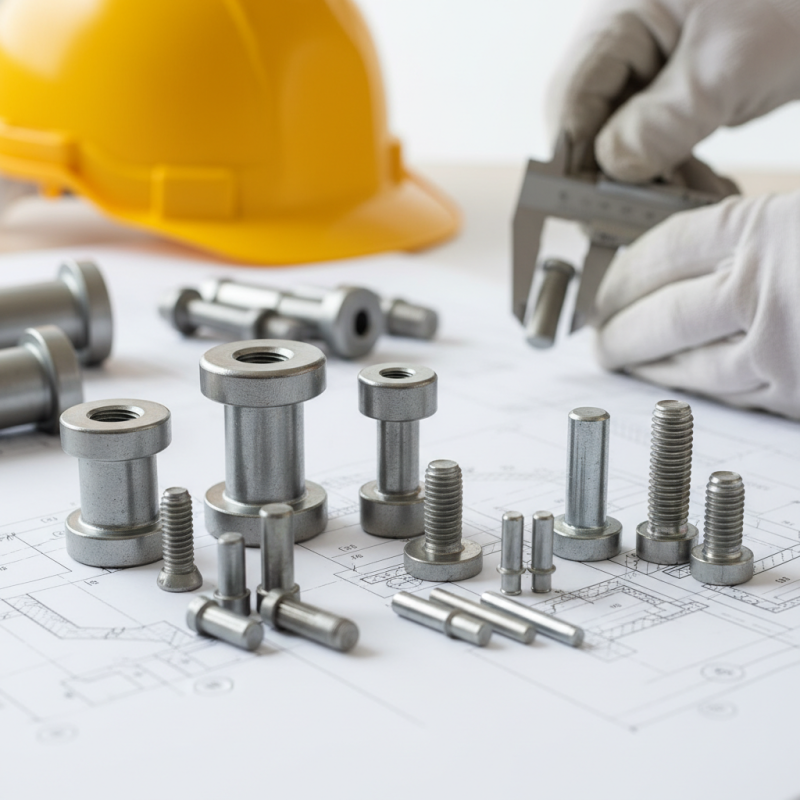
Understanding the Different Types of Structural Rivets Available
When selecting structural rivets, it's essential to understand the various types available. Rivets are categorized mainly by their material, shape, and application. Common materials include aluminum, steel, and copper. Each type has distinct properties that influence strength, corrosion resistance, and weight.
Aluminum rivets, for instance, are lightweight and resistant to corrosion. They are suitable for applications where weight is a crucial factor. In contrast, steel rivets offer higher strength, making them ideal for heavy-duty projects. Industry studies show that steel rivets can support loads up to 60% more than their aluminum counterparts. Their downside? Increased weight can negatively impact certain structures.
Understanding the shapes of rivets can also impact performance. Common shapes include round head, countersunk, and flat head rivets. A round head rivet, for example, provides a larger surface area, distributing stress more evenly. However, it can be more challenging to install in tight spaces. Making the right choice requires balancing these variables with project requirements. A poorly chosen rivet can compromise structural integrity, leading to costly repairs. Consider conducting thorough material tests or consulting with structural engineers to ensure the right fit for your needs.
Evaluating Material Compatibility for Your Structural Rivet Selection
When choosing structural rivets, material compatibility plays a crucial role. Understanding the materials you are working with is essential. Different materials behave differently under various conditions. For example, aluminum rivets may be suitable for lightweight applications, while steel rivets offer greater strength.
Consider the environmental factors impacting your project. High humidity or corrosive substances can affect the longevity of certain materials. Using stainless steel rivets might be beneficial in such environments.
Testing the rivet's performance with your selected materials can reveal unforeseen issues.
It's also important to think about the stresses your rivets will face. Vibration, load-bearing, and exposure to heat can all influence your choice. Do not overlook the need for regular inspections. Material compatibility does not only affect strength but can also impact safety. Evaluating your selection process can lead to a more reliable outcome.
Assessing Load Capacity and Strength Requirements for Riveting
When assessing load capacity and strength requirements for riveting, it is crucial to consider the materials involved. Different structural projects demand specific rivet characteristics. For instance, aluminum alloys often require rivets with higher shear strength. According to industry reports, the minimum shear strength for aluminum rivets can range from 20 to 30 ksi.
Understanding the load conditions is essential. The rivets must withstand static and dynamic forces encountered during use. A study by the American Institute of Steel Construction highlights that steel rivets can handle loads exceeding 50 ksi in certain applications. However, it is important to note that loading conditions can vary widely. This could lead to underestimating necessary rivet performance.
Another important factor is the environment where the structure will be located. Environmental factors such as temperature and humidity can affect rivet integrity over time. A report by the National Institute of Standards and Technology indicates that temperature fluctuations can reduce the lifespan of certain fasteners. Therefore, selecting the right rivets involves a balance of load capacity, environmental resilience, and project specifications to ensure reliability.
Considering Environmental Factors Impacting Rivet Performance
When selecting structural rivets for a project, environmental factors are crucial. The specific conditions of your project site can greatly affect rivet performance. For example, exposure to moisture and extreme temperatures can lead to corrosion or brittleness. Temperatures can expand or contract metals, impacting joint strength.
Tips: Assess local climate conditions. Consider how moisture, heat, and cold will influence rivet choice. Use rivets designed for corrosion resistance if your project is in a humid area. In high-temperature locations, explore materials that withstand thermal stress.
Environmental exposure can also lead to unexpected challenges. Pollution or chemicals in the atmosphere may degrade the rivet's integrity over time. Be mindful of surrounding materials and ensure compatibility. Rivets must not only perform under ideal conditions but also in harsh environments.
Tips: Evaluate chemical exposure risks. Test rivets in similar conditions to your project site. Always have spare options, as conditions can change. The right choice anticipates both average conditions and extreme scenarios. These considerations can save both time and money in the long run.
Environmental Factors Impacting Rivet Performance
Determining Cost-Effectiveness and Supplier Reliability for Rivets
When selecting structural rivets for your project, cost-effectiveness and supplier reliability play crucial roles. Evaluating the total cost involves more than just the price per unit. Consider shipping fees, handling, and potential delays. Sometimes, a cheaper rivet may lead to higher costs later due to poor performance. Conduct a cost analysis that includes lifecycle expenses. This will provide a clearer picture of what you truly need.
Supplier reliability is another critical factor. Research potential suppliers thoroughly. Look into their history and customer reviews. A supplier with a solid reputation often indicates consistent quality. Reliable suppliers can provide timely delivery and support, crucial for maintaining project schedules. Engage with your prospective suppliers and ask questions. Inquire about their quality assurance processes, warranty provisions, and material certifications.
Despite your due diligence, issues can arise. Not all suppliers may meet your expectations. Some may deliver late or provide defective products. Reflect on past experiences with suppliers. Identify what went well and what didn’t. Use this information to inform your next decision. It’s a learning process that helps you refine your choices over time. Prioritizing cost-effectiveness and reliability ensures your projects stay on track and within budget.