Top CNC Milling Trends for 2026 What Buyers Need to Know
As we look toward 2026, the landscape of Cnc Milling is set to evolve significantly. This advancement brings exciting possibilities for buyers and manufacturers alike. Understanding these trends is crucial for making informed purchasing decisions.
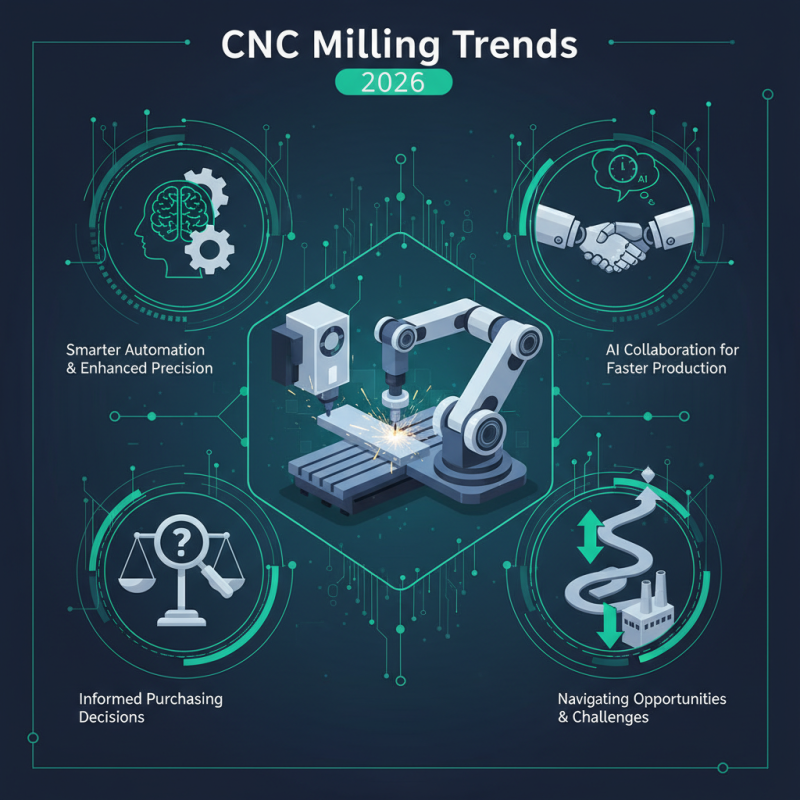
CNC milling technology will continue to innovate, adopting smarter automation and enhanced precision. Increased collaboration with artificial intelligence promises faster production times. With these developments, buyers must stay current to remain competitive.
However, it's essential to recognize that not all advancements are flawless. Some technologies may introduce complexity that requires adjustment. Buyers need to reflect on how these changes might affect their operations. Embracing the future of CNC milling means navigating both opportunities and challenges wisely.
Top CNC Milling Trends Shaping the Industry in 2026
CNC milling is evolving rapidly, especially as we look toward 2026. Advanced materials are flowing into this field. Manufacturers are experimenting with composite materials that demand different milling approaches. This trend encourages precision and innovation, leading to better quality parts.
Automation is another key player. As manufacturers adopt automated CNC systems, find cycles becoming shorter. While efficiency rises, it does create challenges in workforce training. Not all operators are equipped to handle these advanced technologies. The skill gap is a concern that industry leaders should address.
Sustainability remains a hot topic. Companies are focusing on reducing waste and improving energy efficiency. But achieving these goals isn’t straightforward. Many organizations must reevaluate their practices and embrace greener technologies. This evolution may not happen overnight, but it's essential for responsible manufacturing.
Impact of Automation and AI on CNC Milling Efficiency
The integration of automation and artificial intelligence in CNC milling is reshaping the industry. These technologies enhance efficiency by optimizing workflows and reducing human error. For instance, AI algorithms can analyze machine performance in real time. They predict maintenance needs, preventing costly downtimes.
However, the shift towards automation is not without challenges. Some manufacturers grapple with the initial costs of investment and the complexity of new systems. Employees might feel threatened by these advancements, raising concerns about job security. Balancing technology with skilled labor is vital. A successful implementation requires training and adaptation from the workforce.
As CNC milling evolves, companies must stay informed. Understanding the impact of automation on production can lead to better decision-making. Engagement with technology will dictate future competitiveness in the market. It’s a journey filled with uncertainties, but also significant opportunities for growth and improvement.
Sustainability Practices in CNC Milling: Meeting Industry Standards
Sustainability is becoming a key focus in the CNC milling industry. As environmental regulations tighten, manufacturers are under pressure to adopt greener practices. A recent report by the Global Industry Analysts indicates that the market for eco-friendly CNC machines is expected to grow by 7.5% annually through 2026. This growth reflects a growing commitment to reducing carbon footprints.
Many companies are exploring waste reduction techniques. For instance, implementing closed-loop systems can significantly lower material waste. According to the American Society for Mechanical Engineers, companies that adopt these systems can reduce waste by up to 30%. It's vital to approach these solutions critically. While technology can improve efficiency, initial investments may be high. Businesses must weigh long-term benefits against immediate costs.
Energy efficiency is another important aspect. Advanced CNC machines are now equipped with features that optimize power usage. A study from the Machine Tool Technology Association found that energy-efficient machines can decrease energy consumption by nearly 20%. However, not all manufacturers follow suit, and this inconsistency raises concerns about overall industry compliance. As buyers, understanding these sustainability practices can lead to more informed decisions in supplier selection.
Emerging Materials and Their Influence on CNC Milling Techniques
Emerging materials are shaping CNC milling techniques significantly. A recent report indicates that advanced materials like titanium alloys and composites are on the rise. These materials offer higher strength-to-weight ratios, making them ideal for aerospace applications. Yet, processing these materials often presents challenges. Increased tool wear and the need for precision can complicate production.
Transitioning to new materials requires updated milling strategies. For instance, utilizing carbide tools for titanium can enhance efficiency. However, this may increase costs and extend lead times. A notable survey found that 68% of manufacturers reported needing to adapt their machining processes for these materials. Many struggle with the trade-offs between cost and performance.
As the industry evolves, staying informed is crucial. Emerging materials influence not just design, but also the entire milling landscape. Innovating with strategies such as optimizing feeds and speeds can mitigate challenges. Understanding the material’s unique properties leads to more effective milling solutions, but it requires continuous learning. The landscape is shifting rapidly, and adaptation is essential.
Market Demands: Customized Solutions and Shorter Lead Times
In 2026, the demand for CNC milling is shifting. Buyers prioritize customized solutions. They seek efficiency and shorter lead times. This trend reflects an evolving market. Companies must adapt quickly.
Customized solutions allow manufacturers to meet specific needs. Buyers desire unique designs tailored to their projects. This requires a flexible approach. However, not all manufacturers can deliver. It's essential to evaluate capabilities before committing.
Tip: Communicate your requirements clearly. The more detailed you are, the better the outcome. It’s also critical to assess the supplier’s track record in managing custom projects. Flexibility in production often leads to improved lead times.
Shorter lead times are becoming the standard. Delays can cost businesses significantly. Choosing providers with efficient processes can help mitigate risks. Yet, some companies may struggle with consistency. Thorough research into potential suppliers can prevent future complications.
Tip: Look for suppliers who utilize advanced technologies. Automation can enhance productivity and reduce turnaround times. Assessing their technological investments can reveal their commitment to efficiency.