How to Use Hexagonal Wire Mesh for Various Applications?
hexagonal wire mesh is a versatile material used in many applications. Its unique structure offers strength and flexibility. This mesh can be found in construction, agriculture, and even decorative projects.
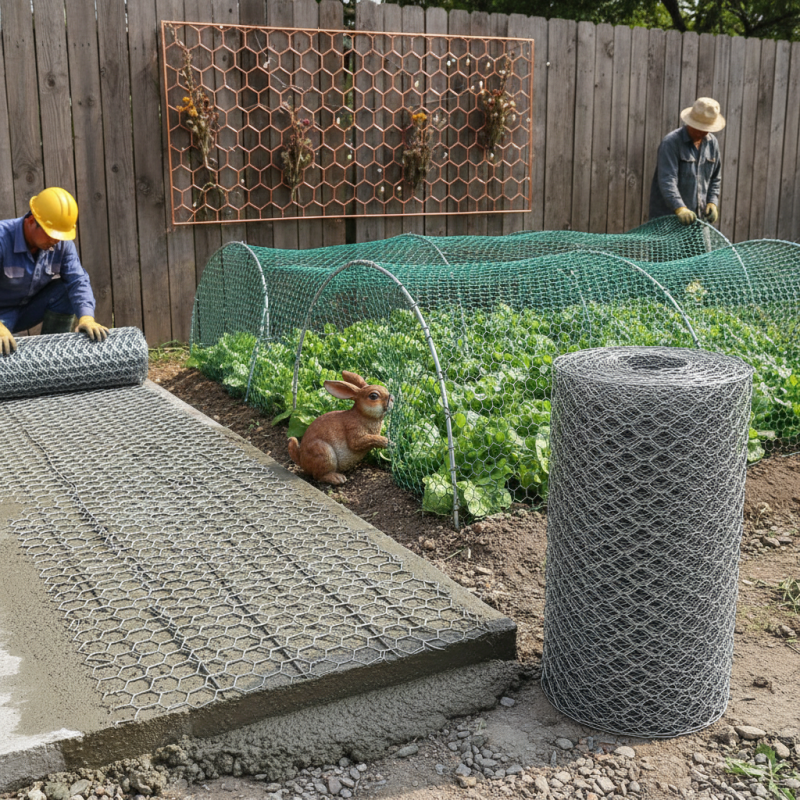
In construction, hexagonal wire mesh serves as reinforcement in concrete. It prevents cracking and enhances durability. Farmers also use this mesh to protect crops from pests. The hexagonal openings allow light and air while keeping unwanted animals out.
However, the use of hexagonal wire mesh is not always perfect. Proper installation techniques must be considered. Over time, exposure to the elements can weaken it. Additionally, choosing the right gauge and coating is crucial. Learning from these aspects can lead to better utilization of hexagonal wire mesh.
Applications of Hexagonal Wire Mesh in Agriculture and Livestock Management
Hexagonal wire mesh serves a variety of essential roles in agriculture and livestock management. Its design allows for effective animal enclosures, which ensures that livestock remains secure and protected. By creating sturdy barriers, it minimizes risks related to predation and wandering livestock. Farmers can create designated grazing areas, improving land use while ensuring animals do not overgraze.
In crop protection, hexagonal wire mesh is invaluable. It can safeguard young plants against pests and harsh weather. This mesh works as a physical barrier that is durable yet easy to install. However, some farmers find that over time, the mesh can become weaker, particularly if exposed to extreme conditions. Regular maintenance is required to ensure its integrity.
Farmers may also find that not all mesh sizes are effective for every situation. Choosing the wrong size can lead to unintended access for pests. It’s essential to consider the specific needs of the crops or livestock when selecting hexagonal wire mesh. Overall, this versatile material, when used properly, can greatly enhance agricultural practices.
Using Hexagonal Wire Mesh for Garden Fencing and Plant Protection
Hexagonal wire mesh is an excellent choice for gardening needs. It provides a sturdy barrier for protecting plants from animals. The unique hexagonal shape adds strength while allowing for air circulation. It can be easily shaped and fitted around your garden, making it versatile for various designs.
When using hexagonal wire mesh for garden fencing, consider your specific needs. The height and size of the mesh will depend on the plants you want to protect. Shorter mesh may frustrate your efforts if you're shielding taller plants. Additionally, ensure the mesh is buried at least a few inches into the ground. This prevents burrowing animals from invading your garden.
Installation can be tricky. You may find the edges are sharp. Handling them carefully is necessary to avoid injury. Some gardeners struggle with maintaining tension in the mesh, which can lead to sagging. A thoughtful approach is important for achieving effective results. Always evaluate how well it holds up over time against wind and rain. Each gardening season offers new lessons in using this material effectively.
Industrial Applications of Hexagonal Wire Mesh in Construction and Reinforcement
Hexagonal wire mesh is increasingly used in industrial applications, particularly in construction. It serves as a versatile solution for reinforcement in concrete structures. The unique hexagonal layout enhances tensile strength, allowing it to bear heavy loads while maintaining structural integrity. This feature makes it a preferred choice for constructing retaining walls and embankments.
In addition to reinforcing concrete, hexagonal wire mesh supports erosion control projects. It helps stabilize soil on slopes, preventing landslides. Often, this mesh is combined with vegetation to promote ecological balance. However, its effectiveness largely depends on proper installation. Misalignment can weaken its protective properties, leading to costly repairs.
Another common use is in fencing applications. Hexagonal wire mesh provides security for construction sites and agricultural areas. It keeps unwanted animals out while allowing airflow and visibility. Yet, its durability can be challenging. Over time, exposure to elements may cause rust or damage. Regular maintenance is essential to ensure longevity and effectiveness.
Hexagonal Wire Mesh in Landscaping: Features and Benefits
Hexagonal wire mesh is gaining popularity in landscaping for its unique features. Its hexagonal shape provides strength while allowing flexibility. This versatility makes it suitable for various outdoor applications. Homeowners often use it to create plant supports or garden barriers. It can also stabilize soil, reducing erosion in sloped areas. The open design encourages airflow and drainage, essential for plant health.
Beyond functionality, hexagonal wire mesh offers an aesthetic appeal. Its grid-like pattern can complement natural landscapes. You can use it to create decorative fences or trellises. This wire mesh blends well with greenery. Sometimes, a simple installation can lead to stunning results. Yet, some might find it challenging to align or shape perfectly. Experience can help smooth out these imperfections.
In addition, the maintenance of hexagonal wire mesh is relatively easy. Regular checks can prevent rust and wear. However, some might neglect this crucial step. Taking care of the mesh ensures its longevity and effectiveness in landscaping. With proper attention, you can achieve both beauty and function in your outdoor spaces.
Environmental Considerations of Using Hexagonal Wire Mesh in Erosion Control
Hexagonal wire mesh plays a significant role in erosion control. When used correctly, it can stabilize soil and prevent land degradation. The mesh provides support to the soil, allowing vegetation to grow through it. This growth helps bind the soil more effectively, reducing runoff.
However, there are environmental concerns to consider. One issue is the potential for galvanization chemicals to leach into the soil. Over time, these substances can affect local ecosystems. Additionally, improper installation can lead to unintended consequences. The mesh might trap debris, creating areas of stagnant water. This impacts local fauna and flora.
Landowners should evaluate the surrounding environment before implementing this solution. The balance between soil preservation and ecosystem health is delicate. Engaging with local environmental experts may help address these concerns. Proper planning and maintenance are essential to ensure the mesh fulfills its purpose without negative impacts.