Large Square Tube Buying Tips for Global Suppliers?
When it comes to purchasing Large Square Tubes, global suppliers face several challenges. Understanding the intricacies of materials and dimensions is crucial. Quality and specifications can vary widely across manufacturers. This variability can impact the final product.
Buyers should consider the sourcing process carefully. Evaluating suppliers based on their certifications and production capabilities is essential. Reliable suppliers provide detailed product information and transparent communication. Beware of suppliers promising overly low prices; quality might be compromised.
Another common issue is the understanding of application needs. Large Square Tubes can serve various industries, like construction and automotive. Each application has unique requirements, making it vital to choose the right specifications. Researching specific uses can lead to better purchasing decisions. Remember, informed choices lead to successful outcomes in procurement.
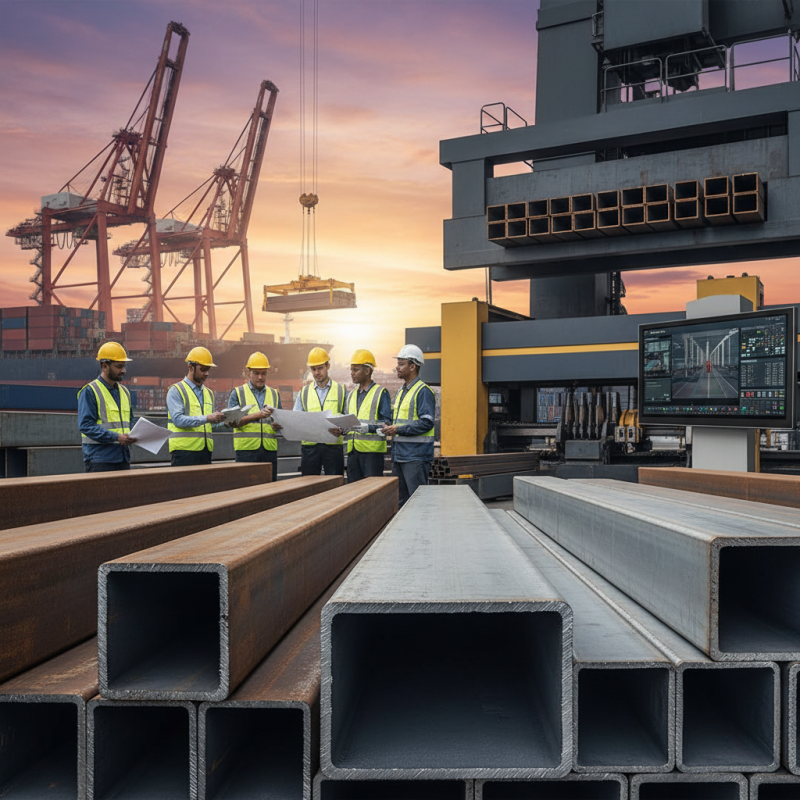
Understanding the Basics of Large Square Tubes
Large square tubes are essential in various industries, from construction to manufacturing. These tubes are usually made from steel or aluminum. Understanding their specifications helps in making informed purchasing decisions. Key dimensions include wall thickness and outside diameter, which can significantly impact strength and weight. Many buyers overlook these details, leading to costly mistakes.
Quality and sourcing play crucial roles in selecting a supplier. Not all manufacturers meet rigorous quality standards. The structural integrity of square tubes depends on proper welding and finishing. Researching suppliers is vital to ensure you choose a reliable partner. This can involve checking certifications and asking for samples. Some suppliers may promise quality but fail to deliver, leading to project delays.
Pricing is another aspect to consider. While a lower price is tempting, it may indicate inferior quality. Balancing cost with the need for durability is key. Reflecting on past experiences can help buyers avoid pitfalls. Engaging with industry experts or participating in forums can provide valuable insights, enhancing your understanding of large square tubes.
Key Considerations for Selecting Global Suppliers
When selecting global suppliers for large square tubes, several key considerations can guide your decision. Understanding your specific requirements is crucial. Factors such as material grade, dimensions, and coating specifications can greatly impact performance. According to recent market analysis, nearly 45% of buyers report that material quality significantly affects product longevity. Ensuring that suppliers adhere to industry standards is essential for obtaining reliable products.
Furthermore, geographical advantages play a vital role in supplier selection. Proximity can reduce shipping costs and lead times. Reports indicate that suppliers within a 500-mile radius can cut transport costs by up to 30%. Reliability in delivery times and communication is equally important. It's often observed that suppliers who prioritize transparency in order processing have a higher satisfaction rate among clients.
Lastly, assessing the supplier's certifications and industry reputation can provide valuable insights. Many buyers overlook this, yet those with ISO certifications often demonstrate better quality control. A survey found that 60% of companies experienced delays due to supplier inconsistencies. Reflecting on these aspects can enhance your supplier selection process, optimizing both cost and quality in the long run.
Large Square Tube Buying Tips for Global Suppliers - Key Considerations for Selecting Global Suppliers
| Criteria | Considerations | Importance (1-5) | Notes |
| Quality Standards | Verify supplier compliance with industry standards (ISO, ASTM) | 5 | Ensure materials are tested for durability |
| Pricing | Compare prices across multiple suppliers to find competitive rates | 4 | Beware of abnormally low prices |
| Delivery Time | Assess lead times and reliability of delivery schedules | 4 | Consider potential shipping delays |
| Customer Support | Evaluate the responsiveness and helpfulness of supplier support teams | 3 | Good support can resolve issues quickly |
| Production Capacity | Ensure supplier can meet large order volumes | 5 | Important for long-term projects |
| Location | Consider the geographical location for logistics efficiency | 3 | Closer suppliers may reduce costs |
| Reputation | Research supplier reviews and past project successes | 5 | Strong reputation leads to trust |
Quality Standards and Certifications for Square Tubes
When purchasing large square tubes, understanding quality standards and certifications is crucial. The global market places emphasis on compliance with ISO and ASTM standards. These certifications ensure the materials meet strict durability, safety, and performance criteria. Reports from the International Organization for Standardization indicate that products adhering to these standards exhibit lower failure rates and extended life spans.
Buyers should consider a few practical tips when selecting suppliers. Check for certifications like ISO 9001, which indicates a quality management system. Inspect the supplier’s quality control processes. High-quality products go through rigorous testing protocols. This includes dimension checks and material composition analysis.
Another important factor is the origin of the materials. Reports from industry experts reveal that local suppliers may provide better oversight of quality. However, global sourcing can offer cost benefits. Engage with suppliers to understand their production standards. Assessing these factors can often reveal inconsistencies. These reflections improve purchasing decisions and reduce risks in large square tube acquisitions.
Evaluating Cost Factors and Pricing Strategies
When purchasing large square tubes, evaluating cost factors is crucial. Raw material prices are volatile and can significantly influence your budget. According to industry reports, steel prices fluctuated by nearly 25% in the past two years. Such variations can affect your overall project cost. Understanding the current pricing trends is essential for effective planning.
Shipping costs also play a vital role. Global suppliers often deal with tariffs and freight charges. Recent studies indicated that logistics costs account for about 15% of total expenditures in the steel industry. It is wise to consider various shipping options. Sometimes, cheaper logistics services lead to delays, impacting project timelines. Therefore, weigh the risks versus benefits carefully.
Pricing strategies can vary widely among suppliers. Some may offer bulk discounts while others focus on providing premium quality. Assessing quality versus cost is essential. A report highlighted that subpar materials could lead to higher maintenance and replacement costs in the long run. Consider your specific application needs and avoid solely relying on the lowest price. Balancing these elements will foster better supplier relationships and ensure project success.
Shipping and Logistics for International Purchases of Square Tubes
When purchasing large square tubes internationally, shipping and logistics play a crucial role. The weight and dimensions of these products can significantly affect shipping costs and timelines. It's important to plan for potential delays in customs clearance. Each country has its regulations regarding imports, which may impact delivery schedules. You should communicate with your supplier about any necessary documentation and compliance requirements.
Understanding shipping methods is equally essential. Air freight is faster but often more expensive. Ocean freight is more economical, yet it has longer transit times. Consider the size of your order when deciding. A small order might benefit from air freight, while larger quantities can justify ocean shipping. Always request quotes from multiple logistics providers. This will help you find the best rate and service.
Keep in mind that unforeseen circumstances can arise during shipping. Weather events or port congestion may delay your order. Building flexibility into your schedule can mitigate these challenges. Additionally, tracking your shipment is vital. Knowing where your order is at all times enhances reliability and helps you manage expectations. Always foster open communication with your supplier to resolve issues quickly.