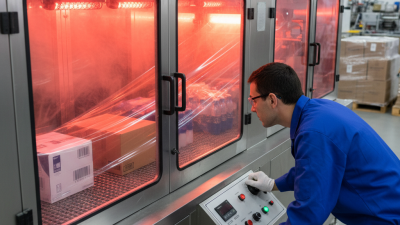
Choosing among the top Heat Shrink Tunnel machine suppliers worldwide requires more than comparing prices or heating power. A reliable supplier should demonstrate practical experience, stable engineering, and clear after-sales support. The machine must suit the product, film type, package dimensions, production speed, and available floor space. A tunnel that works smoothly for bottled beverages may perform poorly with cartons or irregular trays.
Packaging scholar Dr. Susan E. M. Selke has emphasized, “Packaging must protect the product throughout the distribution chain.” This principle applies directly to heat-shrink systems. A strong Heat Shrink Tunnel should create even film tension, consistent sealing, and controlled temperature across the chamber. Operators should be able to adjust conveyor speed without chasing unstable results. Small details matter. Watch the film edges.
Leading suppliers often provide stainless-steel chambers, variable-speed conveyors, insulated panels, digital controls, and energy-saving heating zones. However, impressive specifications do not guarantee dependable performance. Buyers should request test runs using real products and actual film. They should inspect seal strength, shrink quality, energy consumption, noise, and maintenance access. Supplier references also deserve careful review.
Some decisions remain imperfect. A lower purchase price may hide costly downtime, weak training, or difficult spare-parts access. Premium equipment may also exceed the needs of a smaller factory. This guide examines worldwide suppliers through a practical lens, balancing machine capability, service reliability, customization, operating cost, and long-term value. The best choice is not always the most powerful machine. It is the one that performs consistently under real production conditions.
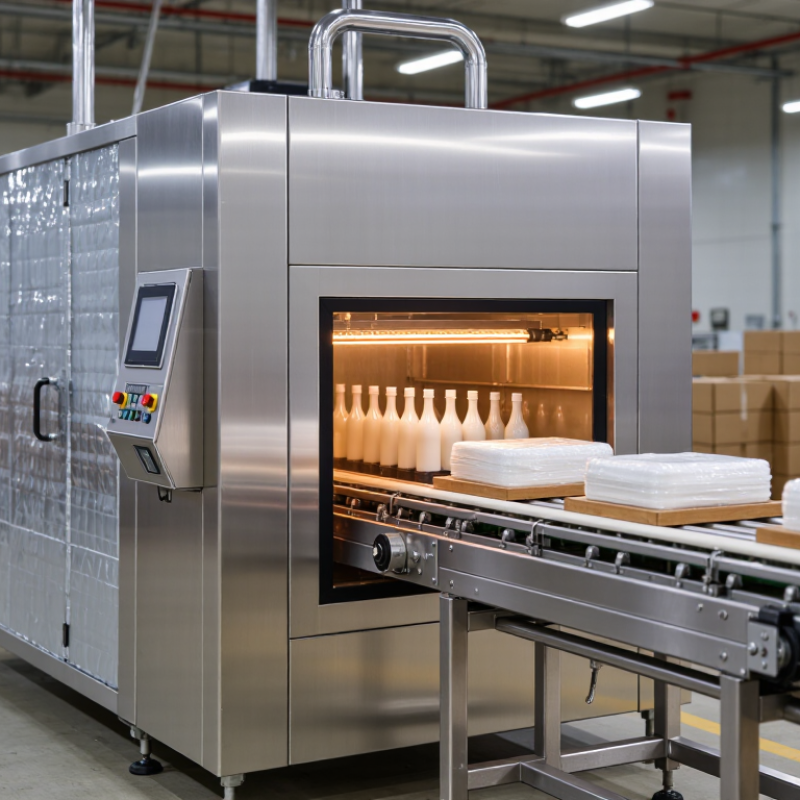
Heat shrink tunnel machines apply controlled heat to shrink plastic film tightly around products, trays, or multipacks. Their main types include electric, steam, and gas-heated tunnels. Electric models suit clean indoor lines and offer precise temperature control. Steam tunnels work well with heat-sensitive packaging and irregular shapes. Gas systems can deliver strong heating capacity for high-output operations, but they require careful ventilation and monitoring.
A tunnel usually combines heaters, airflow controls, an insulated chamber, and a moving conveyor. Operators adjust temperature, conveyor speed, and air circulation according to the film and product. Typical working temperatures may range from 120°C to 220°C, but film specifications must guide the setting. Excessive heat can damage labels, warp containers, or create weak seals. Too little heat leaves wrinkles and loose edges. The machine is only one part of the process.
Applications include bottled beverages, food trays, household products, printed cartons, and bundled retail packs. Compact tunnels support small factories and changing product sizes. Larger systems handle continuous packaging lines with automatic infeed and discharge. Qualified suppliers should provide test runs, safety documentation, spare-part access, and operator training. Line trials often reveal problems that brochures hide. Conveyor spacing, film thickness, and room temperature can change results. A tunnel may perform well in one factory and poorly in another. Regular cleaning also matters, especially around airflow openings and film residue.

Heat shrink tunnel machines use controlled hot air to activate shrink film around products, bundles, bottles, cartons, and retail packs. The chart shows common temperature ranges used for major shrink-film materials; actual settings depend on film thickness, package size, conveyor speed, tunnel length, and airflow.
Evaluating global heat shrink tunnel machine suppliers requires more than comparing prices. Check their operating history, manufacturing facilities, and documented quality controls. A reliable supplier should provide clear specifications for tunnel size, heating range, conveyor speed, and power requirements.
Ask for test videos using film and products similar to yours. A machine may look impressive, yet perform poorly with unstable film or uneven product spacing. Request factory acceptance testing before shipment. It can reveal weak temperature control, noisy conveyors, or difficult adjustments. No supplier scores perfectly. Your evaluation should identify manageable weaknesses, not chase polished marketing language.
Tips:
Compare total ownership costs, including installation, spare parts, training, energy use, and international shipping. Confirm response times in writing. Ask whether technicians can support remote diagnosis across time zones. Review warranty terms carefully, especially for heating elements, sensors, and conveyor components. Strong suppliers provide manuals, wiring diagrams, maintenance schedules, and practical operator training. Independent customer references can also reveal service quality after delivery. Still, references may be selective, so request evidence from multiple installations and industries.
For international projects, verify electrical compatibility, safety documentation, customs requirements, and local service coverage. A supplier with standardized machines may offer faster delivery, but customization can improve packaging results.
Insist on measurable acceptance criteria, such as seal appearance, shrink consistency, and hourly output. Small details matter. A missing spare sensor can stop production for days.
Some evaluations fail because teams focus only on purchase price. That mistake is common, and expensive.
Heat shrink tunnel suppliers vary by region, reflecting local packaging industries and engineering practices. European suppliers often emphasize energy efficiency, precise temperature control, and stainless-steel construction. Their machines may suit pharmaceutical, food, and household product lines requiring stable sealing conditions. However, high automation can increase purchase and maintenance costs.
North American suppliers commonly focus on flexible configurations, operator access, and integration with existing conveyor systems. Regional manufacturers may provide strong technical support and replacement parts for large distribution facilities.
In East Asia, suppliers often offer competitive pricing, compact designs, and rapid customization. Some factories produce high-volume equipment, but buyers should verify testing standards and after-sales response. A lower quotation is not always a lower operating cost.
Tips: Request sample packaging tests before ordering. Check tunnel temperature uniformity at several points, not only the display reading. Review power consumption, film compatibility, conveyor dimensions, and emergency-stop access. Ask for installation videos and a written spare-parts schedule. Factory visits can reveal details that brochures hide. I have found that service response matters as much as machine speed. Supplier claims still need independent verification.
Top Heat Shrink Tunnel Machine Suppliers Worldwide
Supplier capability is more than advertised tunnel speed. Grand View Research valued the global shrink packaging market at about USD 12.8 billion in 2022. It projects a 6.2% compound annual growth rate through 2030. This growth increases pressure on suppliers to deliver stable output, not impressive brochures. Experienced manufacturers should show test videos, energy readings, and sealing results using the customer’s actual film and products.
Customization begins with product geometry. A supplier should calculate tunnel length, conveyor width, heat-zone balance, and cooling distance from real samples. Adjustable air circulation matters when cartons have deep corners or uneven surfaces. Stainless-steel construction, guarded access, temperature alarms, and variable-speed drives support safer operation. PMMI’s 2024 industry research continues to identify labor availability and automation as major packaging concerns. Simple recipes and touchscreen diagnostics can reduce training time.
Technical support is often the real difference. Ask about remote troubleshooting, spare-parts response, installation supervision, and operator training. Good suppliers provide wiring diagrams, maintenance schedules, and measurable acceptance criteria. In factory trials, a machine may reach its rated speed only with ideal film and spacing. That detail is easy to miss. Buyers should compare energy use per packed unit, not only kilowatts per hour. Smithers’ sustainable packaging research also highlights pressure to reduce material and energy consumption. No supplier gets every application perfect. Pilot testing remains necessary.
| Supplier Capability Category | Typical Application | Typical Tunnel Working Temperature | Typical Conveyor Speed | Typical Conveyor Width | Common Heating Configuration | Customization Capability | Typical Technical Support |
|---|---|---|---|---|---|---|---|
| Standard Entry-Level Equipment Supplier | Low- to medium-volume packaging, cartons, trays, and bundled products | 80–200 °C | 5–15 m/min | 300–500 mm | Electric heating with forced-air circulation | Basic conveyor height, voltage, tunnel length, and film-type adjustments | User manuals, remote commissioning guidance, spare-parts lists, and basic troubleshooting |
| General-Purpose Industrial Supplier | Daily production lines for food, beverage, consumer goods, and industrial packaging | 100–220 °C | 8–25 m/min | 400–800 mm | Multiple electric heating zones with adjustable airflow | Product-size adaptation, variable-speed conveyor, insulated tunnel, and control-panel options | Installation instructions, operator training, remote diagnosis, and recommended maintenance schedules |
| High-Throughput Packaging Equipment Supplier | Continuous production, multipacks, beverage groups, and high-speed distribution packaging | 120–250 °C | 15–35 m/min | 600–1,200 mm | Multi-zone heating, high-volume air circulation, and reinforced conveyor systems | Extended tunnel length, high-load conveyors, line-speed synchronization, and automatic temperature control | On-site commissioning options, preventive maintenance programs, performance testing, and production-line integration |
| Custom System Integrator | Irregular products, specialized films, automated lines, and restricted factory layouts | Application-dependent; commonly 80–250 °C | Application-dependent; commonly 5–30 m/min | Configured to product and line requirements | Electric heating zones, tailored airflow, and product-specific temperature profiling | Custom tunnel dimensions, conveyor design, guarding, sensors, PLC controls, and upstream/downstream interfaces | Engineering review, layout design, factory acceptance testing, site acceptance testing, and integration support |
| Export-Oriented Equipment Supplier | International orders requiring documentation, electrical adaptation, and remote service | 80–220 °C | 5–25 m/min | 300–1,000 mm | Electric heating with digital temperature control and adjustable airflow | Electrical frequency, local voltage, language, safety guarding, conveyor size, and documentation options | Remote video support, multilingual manuals, wiring diagrams, online spare-parts coordination, and warranty procedures |
| Energy-Efficiency-Focused Supplier | Operations seeking lower heat loss, stable shrink quality, and reduced operating cost | Application-dependent; commonly 90–220 °C | 8–30 m/min | 400–1,000 mm | Insulated tunnel, zoned heating, recirculated air, and variable-speed fans | Insulation upgrades, airflow controls, standby modes, heat-recovery options, and energy monitoring | Energy-use assessment, process optimization, temperature mapping, and maintenance recommendations |
Pricing varies widely because tunnel size, heating power, conveyor design, and automation levels differ. A compact unit may suit small cartons, while high-output systems require stronger conveyors and advanced temperature controls. Always compare the total landed cost, not only the quoted machine price. Include shipping, customs duties, installation, training, spare parts, and local electrical changes. A low quote can look attractive. It may become expensive after delivery.
Compliance deserves careful checking before payment. Ask suppliers for technical files, electrical diagrams, test reports, and a clear declaration of conformity where applicable. Confirm compatibility with your country’s voltage, frequency, plug type, and workplace safety requirements. Depending on the market, relevant certifications may include CE, UL, EMC, or equivalent local standards. Do not accept general claims without documents. Requirements can differ between regions, and even experienced buyers sometimes overlook labeling or importer responsibilities.
Tips:
Send sample products and film to shortlisted suppliers. Request a sealing test, temperature profile, conveyor-speed record, and energy estimate. Check whether operators can reach controls safely. Ask about warranty limits and response times for faults. A video demonstration is useful, but it is not a factory acceptance test. Leave room for doubt. The machine may perform differently with damp cartons, uneven loads, or recycled film. Confirm those conditions in writing before purchasing.
Headquarters
2980 Scott St, Vista, CA 92081
Phone: (760) 734-4177
Fax: (760) 734-4188
Open: 8:00 am – 4:30 pm
Texas
8051 Jetstar Dr #175 Irving, TX 75063
Phone: (972) 915-6888
Fax: (972) 915-6999
Open: 8:00 am – 4:30 pm
Florida
14231 Jetport Loop. #1 Fort Myers, FL 33913
Phone: (239) 225-4020
Fax: (239) 225-4024
Open: 8:00 am – 4:30 pm