What is a PU foam lamination machine and how does it work?
In the world of manufacturing, efficiency is key. The PU foam lamination machine stands out as a vital tool for many industries. According to Dr. Emily Carter, an expert in foam technology, "This machine transforms how we approach lamination."
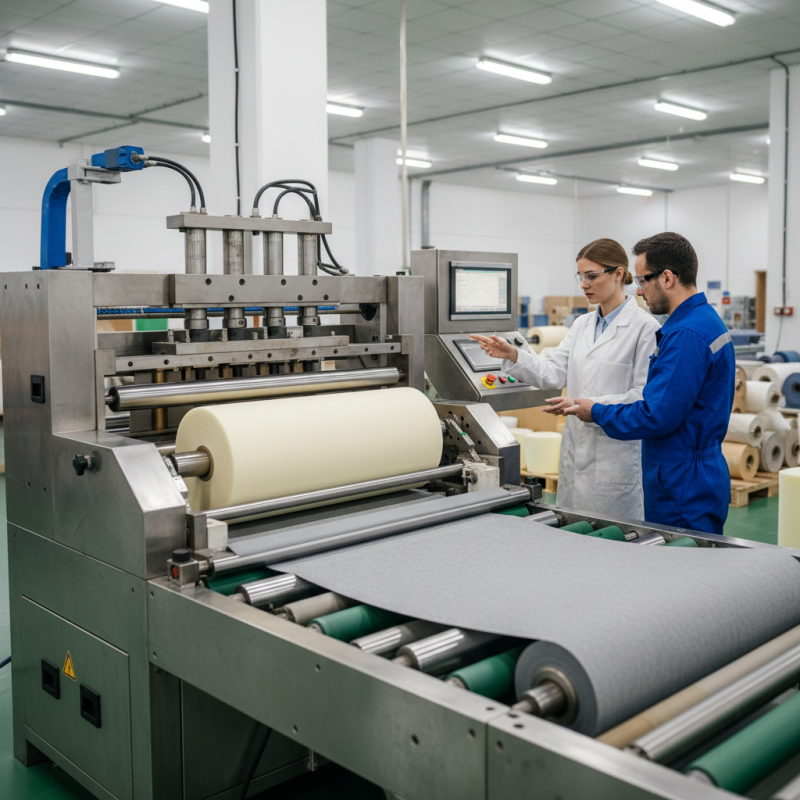
The PU foam lamination machine bonds various materials, such as fabric and foam. Its working principle involves heat and pressure, creating a strong adhesive layer. Each component plays a crucial role in the lamination process, but not every attempt yields perfect results. Factors like temperature, timing, and material quality can impact output.
Understanding this machine is essential for optimizing production. Yet, many users struggle to achieve consistent results. With varying foam types and adhesives, experimentation is often necessary. Reflecting on these challenges helps improve both the process and the end product.
What is PU Foam Lamination?
PU foam lamination refers to the process of bonding polyurethane foam to various materials. This technique enhances the durability and function of products. It is commonly used in industries like furniture, automotive, and packaging. The lamination process adds layers of protection and comfort, making products more appealing. Foam thickness and types can vary, affecting the end product's quality.
A PU foam lamination machine plays a vital role in this process. It applies heat, pressure, and adhesive to create a strong bond. Operators must ensure the correct settings for different materials. Finding the right balance can be challenging. Sometimes, miscalculations lead to peeling or inadequate adhesion. Testing and adjustments are crucial.
The visual appeal of laminated foam is significant. A well-laminated product looks smooth and professional. Yet, imperfections may arise. For example, bubbles can form if air gets trapped. These flaws require quick fixing to maintain quality. Reflection on production techniques can lead to improvements. Workers must stay vigilant and attentive to detail for better results.
What is a PU Foam Lamination Machine and How Does It Work?
| Feature | Description |
| Machine Type | PU Foam Lamination Machine |
| Purpose | Used for laminating PU foam to various substrates |
| Key Components | Foam cutting unit, adhesive application system, heating unit, and press mechanism |
| Working Principle | Adhesive is applied on the substrate, then heated and pressed to bond the PU foam |
| Materials Used | Polyurethane foam, various substrates like fabric, plastics, wood, etc. |
| Applications | Mattresses, automotive seating, sound insulation materials, packaging, etc. |
| Benefits | Improved durability, enhanced insulation properties, and versatility in design |
| Maintenance | Regular cleaning, checking adhesive system, and ensuring calibration of heating units |
Components of a PU Foam Lamination Machine
A PU foam lamination machine is essential in various industries, particularly in manufacturing. This machine is engineered to laminate polyurethane foam, a material renowned for its versatility and insulation properties. Understanding its components can provide insight into its functionality and impact on production efficiency.
The machine consists of several critical components. A feeding system is vital for introducing foam into the lamination process. This system ensures consistent material flow, which is necessary for high-quality output. Next, the heating rolls play a vital role in softening the foam, allowing it to bond effectively. Temperature control is essential; a report by the International Journal of Industrial Engineering highlights that a 10% variance in temperature can lead to a 20% decrease in lamination quality.
Adhesive application units are another key component. They apply the bonding agent evenly across the foam surface. Improper application can result in weak bonds. An industry study shows that 30% of defective products arise from inadequate adhesive distribution. Lastly, the cutting tool sections finalize the product dimensions. Operators must adjust these tools carefully, as misalignment can cause material waste and financial losses. Each component in the PU foam lamination machine contributes to an intricate process that demands precision and careful monitoring.
How the PU Foam Lamination Process Works
PU foam lamination is a key process in manufacturing. This technique combines layers of material with polyurethane foam. The goal is to enhance durability and sound insulation. It’s common in upholstery and automotive applications.
During the PU foam lamination process, the foam is applied to various substrates. Heat and pressure are used to bond layers together. The result is a strong, flexible material. Operators must monitor the temperature closely. Incorrect settings can lead to poor adhesion or material waste.
Tips: Always check the foam's temperature before use. A slight error can affect quality. Review the machine's calibration regularly to maintain efficiency.
It’s crucial to test small batches initially. This allows for adjustments before large-scale production. Some foams may not bond well with specific materials. Experimentation is valuable. It can lead to better products.
In this process, mistakes happen. Poor laminations can occur due to rushing. Take time to ensure all settings are correct. Quality control at each step is essential for success.
Applications of PU Foam Laminated Products
PU foam laminated products play a crucial role across various industries. These products provide enhanced durability and insulation properties, making them ideal for multiple applications. The automotive sector heavily uses PU foam laminates for interior cushioning and thermal insulation. They contribute to passenger comfort and vehicle efficiency.
In the furniture industry, PU foam laminates are increasingly popular. Reports indicate that the market for these products is expected to grow at a compound annual growth rate (CAGR) of 4.5% from 2021 to 2027. This growth is driven by rising consumer demand for comfort and aesthetics. PU foam offers a lightweight solution while maintaining strength. It effectively reduces noise and vibration, which is crucial in many furniture designs.
The construction industry also relies on these laminated products. PU foam laminates help in energy-efficient building designs. They provide exceptional thermal insulation, reducing heating and cooling costs. However, challenges such as variability in raw material quality can affect manufacturing consistency. Addressing these issues is necessary to meet increasing market demands and sustainability goals.
Applications of PU Foam Laminated Products
Benefits of Using a PU Foam Lamination Machine
A PU foam lamination machine is essential in various industries. It combines layers of polyurethane foam with different materials. This creates a versatile product for insulation or cushioning. The process uses heat and pressure, enabling strong adhesion.
The benefits of using this machine are numerous. First, it enhances product durability. Laminated foam lasts longer than standard foam. This is crucial for products needing prolonged use. Second, it improves thermal insulation. The laminated layer traps air, maintaining temperature. This is beneficial in construction and automotive applications.
Moreover, the machine allows for customization. Different materials can be selected based on needs. Adjustments to thickness and density can also be made. However, it’s important to monitor the production process. Inconsistencies can lead to poor adhesion or uneven surfaces. This can affect the end product quality.