What is Pulp Molding 2026 Canton Fair Opportunities?
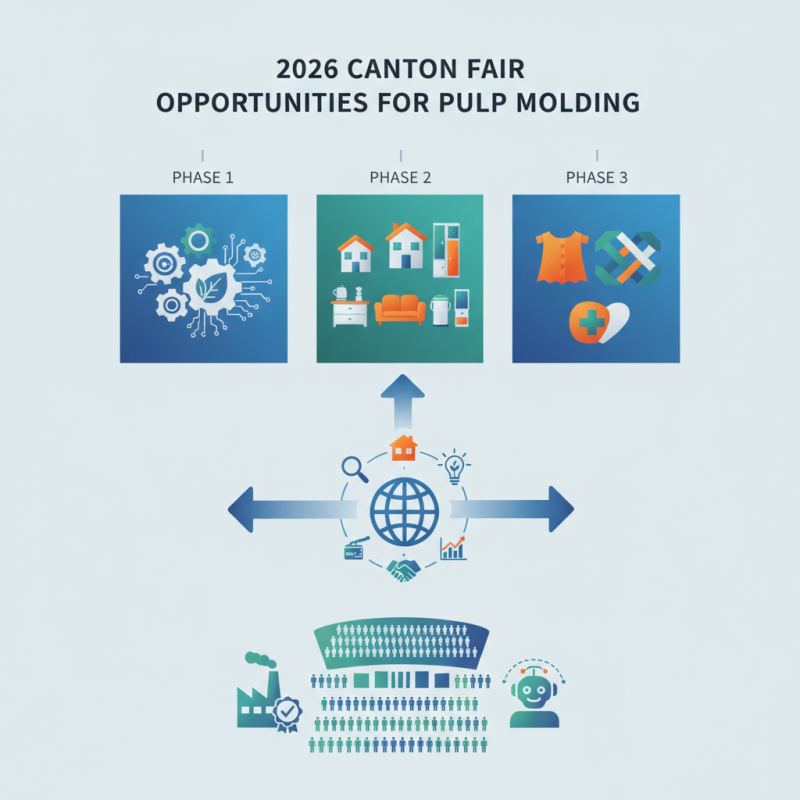
The 2026 Canton Fair is a pivotal event for global trade, presenting significant opportunities for businesses involved in pulp-molding. Scheduled from April 15 to May 5, the fair spans three phases, each focusing on key manufacturing sectors. Advanced manufacturing and new materials highlight the first phase, while quality home goods take center stage in the second. The final phase emphasizes textiles and healthcare.
Pulp-molding businesses can greatly benefit from this fair. With an attendee capacity of over 155,000 square meters, the event utilizes AI for efficient navigation. This means potential buyers can easily find suppliers with necessary certifications like ISO and CE. However, the sheer scale can be overwhelming. Companies must prepare effectively to stand out in a crowded space.
As companies contemplate their participation, challenges may arise. Understanding market demands is vital. Firms may need to adapt their approaches to meet buyer expectations. There is a chance for learning about innovative trends in pulp-molding. Actively engaging with potential partners can lead to fruitful collaborations and growth. Exploration and reflection will be essential for a successful experience at the fair.
Pulp Molding Overview: Definition and Applications
Pulp molding is a fascinating process that has gained traction in recent years. It involves turning recycled paper and natural fibers into molded products. This eco-friendly technique is valued for its sustainability. The pulp is formed into shapes using various molds. After drying, it becomes sturdy and ready for use.
Pulp molding has diverse applications. It is commonly used in packaging solutions, including protective containers and trays. Many industries, such as electronics and food, benefit from this method. It provides a biodegradable alternative to plastic, which is increasingly important in today's environmentally conscious market. There are also opportunities in creating custom designs for specific products, enhancing functionality.
However, not all aspects of pulp molding are perfect. The process can be energy-intensive, and the quality may vary. There can be challenges in achieving consistent product design. As the demand grows, the industry must address these issues. Exploring innovations can improve efficiency. Achieving a balance between sustainability and production quality remains a challenge for manufacturers.
Pulp Molding Applications and Production Volume
Key Characteristics of Pulp Molding Materials
Pulp molding is gaining traction as a sustainable packaging solution. This process uses natural fibers, primarily sourced from recycled paper. These materials undergo a significant transformation, resulting in biodegradable and eco-friendly products. The raw components are processed into pulp, which is then shaped into various forms.
The key characteristics of pulp molding materials include their lightweight nature and excellent cushioning properties. They absorb impacts well, making them ideal for packaging fragile items. Furthermore, these materials can be produced in various densities, allowing for customization. However, this adaptability can lead to inconsistencies in strength and durability.
Consumers are increasingly looking for sustainable options. Pulp molding meets this demand effectively. It is crucial to ensure that the sourcing of raw materials does not compromise environmental integrity. Risks associated with waste management in production could also arise. Balancing efficiency and sustainability remains a challenge in this evolving industry.
Market Trends Influencing Pulp Molding in 2026
As the Pulp Molding industry evolves, several market trends shape its future. Eco-friendly packaging is gaining traction. Consumers demand sustainable products. This pushes manufacturers to innovate and reduce waste. Events like the 2026 Canton Fair can highlight these advancements. Exhibitors will likely showcase new technologies that enhance sustainability.
Another emerging trend is functionality. Modern consumers desire products that serve multiple purposes. For instance, packaging that is both biodegradable and reusable appeals to a broader audience. The 2026 Fair presents a chance for companies to demonstrate such solutions. However, not all manufacturers adapt quickly. Some may resist change, clinging to outdated methods.
Competition is increasing in the pulp molding sector. New players enter the market, offering unique designs at competitive prices. Established companies face pressure to differentiate their products. Creativity in design becomes essential. Yet, some firms struggle. They find themselves unable to keep up with market demands. There are lessons to be learned from these challenges.
Opportunities for Businesses at the Canton Fair
The Canton Fair presents significant opportunities for businesses interested in pulp molding. This event attracts a myriad of international buyers and suppliers. Companies can showcase their innovative designs and eco-friendly solutions. Pulp molding is gaining traction due to its sustainable nature. This fair is a perfect platform for networking and collaboration.
When preparing for the fair, focus on your presentation. Brightly colored displays catch the eye. Ensure your products are accessible for demonstration. Emphasize the benefits of pulp molding in terms of sustainability. But be mindful of your target audience. Understanding their needs can help refine your approach.
Tips for success: Be ready to answer questions. Knowledge about your products is crucial. Follow up on new leads promptly. A personal touch can enhance connections. Engage in discussions about industry trends. Listening to customers may provide valuable insights. The Canton Fair is not only about promotion; it is a learning experience.
Future Innovations in Pulp Molding Technology
Pulp molding is experiencing significant advancements. At the 2026 Canton Fair, new technologies will transform the industry. Innovations are focused on sustainability and efficiency. Recycled materials will be more widely used. This shift could reduce waste and improve resource usage.
Several fresh techniques are under development. Automated machinery may streamline production processes. These machines could cut down labor costs and increase output. Yet, this automation poses challenges, such as requiring skilled workers for maintenance. Companies must adapt to these changes to succeed.
Additionally, customization options are increasing. Businesses might offer tailored designs for various industries. This trend could serve a wide range of customer needs. However, balancing standardization and customization remains a concern. Finding the right mix will be crucial for future growth in pulp molding.
What is Pulp Molding 2026 Canton Fair Opportunities? - Future Innovations in Pulp Molding Technology
| Opportunity Category | Description | Expected Innovations | Market Trends |
| Sustainable Packaging | Focus on eco-friendly packaging solutions using pulp molding. | Biodegradable materials, lightweight designs. | Increased demand for sustainable products. |
| Custom Molding Solutions | Tailored pulp molding designs for specific products. | Advanced design software integration. | Growth in personalized packaging needs. |
| Innovative Manufacturing Processes | Enhanced production techniques for efficiency. | Automation and AI in manufacturing. | Transition towards smarter factories. |
| Recycling and Waste Management | Incorporating recycled materials in pulp products. | Innovations in material sourcing and processing. | Circular economy principles gaining traction. |
| Collaborative Research | Partnerships with universities and tech firms. | Cutting-edge research on pulp materials. | Focus on innovation-driven market leadership. |