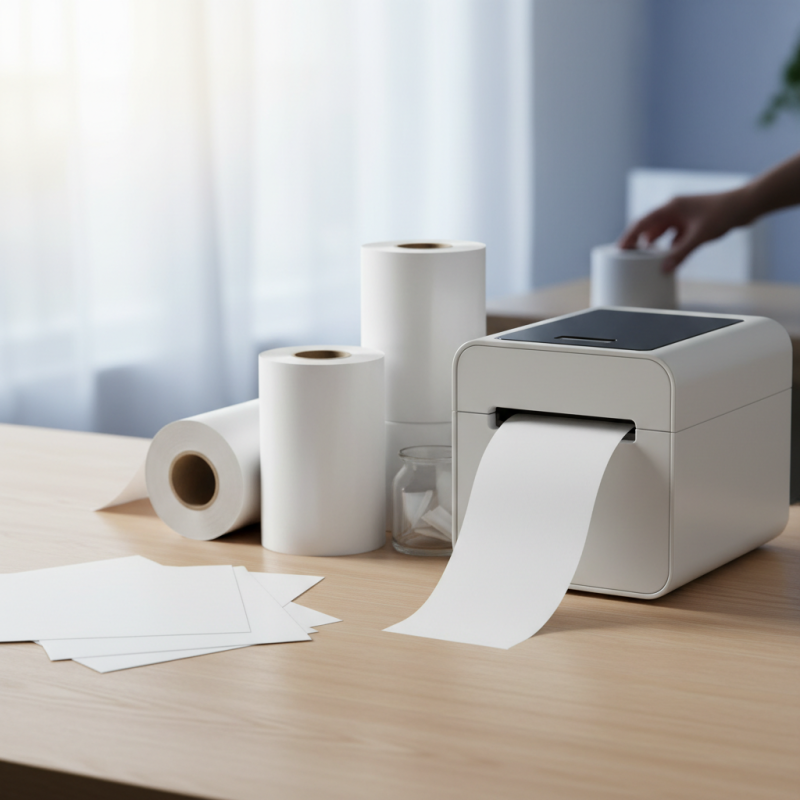
What You Need to Know About Thermal Cash Register Paper?
Understanding Thermal Cash Register Paper is essential for many businesses. This type of paper is specifically designed for thermal printing. It offers various benefits, including high print quality and fast printing speeds. However, not all thermal cash register paper is created equally.
When choosing thermal cash register paper, consider the width and length that meets your needs. It is crucial to select the right size to avoid printing errors. Many users overlook the importance of quality. Poor quality paper can lead to faded prints or jamming in the printer.
Think about the storage conditions too. Thermal cash register paper should be stored properly to maintain its quality. Exposure to heat or direct sunlight can damage the paper. As you explore your options, ask yourself if you are investing enough in quality products. Making the right choice will enhance your business operations overall.
Understanding Thermal Cash Register Paper: An Overview
Thermal cash register paper is a common material used in receipt printers. It is coated with a chemical that changes color when heated. This makes it ideal for printing receipts quickly and efficiently. Businesses often rely on this type of paper because it provides clear and sharp images. However, there are factors to consider when using thermal paper.
One issue to keep in mind is the longevity of the printed receipts. Thermal paper can fade over time, especially when exposed to heat or sunlight. This leads to potential problems for record-keeping. Customers may struggle to read their receipts after a few weeks. It's worth contemplating if your business needs a more durable option for important transactions.
Another aspect is environmental impact. The production of thermal paper often involves harmful chemicals. These can pose risks if not disposed of properly. Additionally, the paper is frequently not recyclable due to the thermal coating. Reflecting on the implications of choosing this paper can guide businesses toward more sustainable practices. Finding alternatives may be beneficial in the long term, while being mindful of costs and functionality.
Types of Thermal Paper Used in Cash Registers
When it comes to cash registers, thermal paper is essential. There are several types of thermal paper used in these devices. Each type has unique features that affect performance and durability. It's important to know these differences to choose the right one.
One common type is standard thermal paper. It's used for receipts and has a smooth surface. However, it can fade over time, especially with exposure to heat. Another type is top-coated thermal paper. This has a protective layer that enhances ink quality. It lasts longer than standard options. Yet, it may be slightly more expensive.
Additionally, there is eco-friendly thermal paper. It's made without harmful chemicals. Many businesses prefer this option, yet it may not provide the same print quality as traditional thermal papers. Remember, the choice of thermal paper affects customer satisfaction. It's crucial to reflect on your choices and their impacts.
Types of Thermal Paper Used in Cash Registers
Benefits of Using Thermal Cash Register Paper
When it comes to running a business, choosing the right cash register paper can make a significant difference. Thermal cash register paper offers unique benefits that can enhance operational efficiency. This type of paper eliminates the need for ink or ribbons, saving time and reducing costs. It comes coated with heat-sensitive material. When it passes through a thermal printer, the heat activates the coating, producing clear, legible receipts.
Using thermal paper can improve customer experience. Fast printing speeds mean shorter wait times at the register. Customers appreciate smooth checkouts. Additionally, the paper is lightweight and easy to store, requiring less space than traditional paper types. However, one must consider that thermal paper can fade over time. This can lead to issues when receipts are needed for record-keeping. Ensuring proper storage can mitigate this risk.
Some businesses may overlook the environmental impact of their choices. Not all thermal paper is recyclable. This raises questions about sustainability. Finding eco-friendly options can be challenging but is essential for long-term responsibility. Balancing efficiency with ecological considerations remains a task for many business owners. Each choice speaks to broader values and commitments to the environment.
Factors to Consider When Choosing Thermal Paper
When choosing thermal cash register paper, there are several important factors to keep in mind. One major aspect is the thickness of the paper. Thicker paper may provide better durability for long-term storage. However, it can also lead to more jams in the printer. A balance is necessary.
Another consideration is the size of the roll. Different printers require specific roll dimensions. Ensure that you know the correct measurements. Mismatched sizes can create inconveniences, resulting in wasted paper and time.
The quality of the thermal coating matters significantly as well. Some low-grade papers may fade quickly, affecting legibility. This could lead to customer dissatisfaction if receipts are unreadable. It's worth investing time to select the right paper for your needs. Test samples when possible, and be open to adjustments based on your findings.
Best Practices for Storing and Handling Thermal Cash Register Paper
When handling thermal cash register paper, storage is key. Keep it in a cool, dry place. Avoid exposure to direct sunlight and humidity. These elements can damage the paper and render it unusable. Over time, the quality of the prints may fade if the paper is stored improperly.
It’s also crucial to handle the paper carefully. Avoid touching the surface with bare hands. Oils and moisture from skin can leave marks. These marks may affect print clarity. Wrinkles and creases can occur if the paper is mishandled. Always store the rolls in their original packaging until needed.
Be mindful of inventory levels too. Having an excess stock could lead to storage issues. But running low might disrupt your operations. Keep a checklist to track usage patterns. Regularly review your supply to prevent waste or shortages. Balancing your stock can be challenging yet necessary.
What You Need to Know About Thermal Cash Register Paper? - Best Practices for Storing and Handling Thermal Cash Register Paper
| Feature | Description | Best Practices |
| Paper Type | Thermal paper is coated with a material that changes color when exposed to heat. | Store in a cool, dry place away from direct sunlight. |
| Shelf Life | Typically lasts 2-5 years depending on storage conditions. | Use within recommended time frame for best performance. |
| Temperature Sensitivity | Sensitive to high temperatures, which can lead to fading. | Keep away from heat sources and avoid folding. |
| Storage Conditions | Should be stored flat and in original packaging. | Moisture can affect print quality; use desiccants if necessary. |
| Printing Techniques | Uses thermal transfer or direct thermal printing methods. | Ensure printer settings match paper specifications. |