Essential Tips for Choosing the Best Shale Shaker Screen?
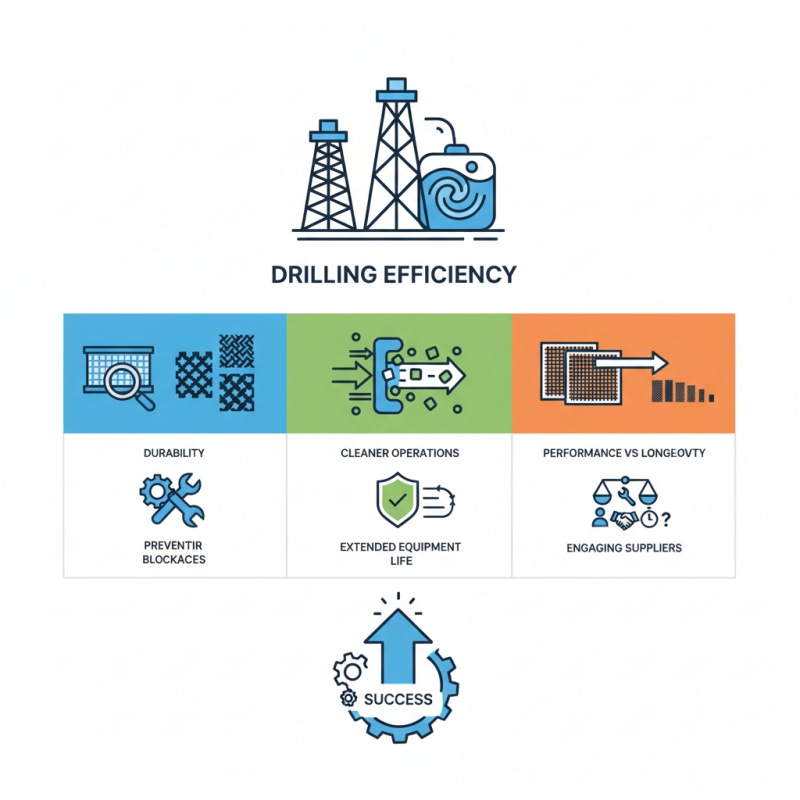
Choosing the right shale shaker screen can greatly impact drilling efficiency. The shale shaker screen plays a critical role in removing solid particles from drilling fluid. This ensures cleaner operations and extends the life of equipment.
Consider the material of the screen. There are different types available, each with unique properties. A good screen should prevent blockages while maintaining flow. It is essential to find a durable option that withstands harsh conditions and heavy use. Misjudgments here can lead to costly downtime.
Lastly, think about the mesh size. This factor affects the separation process. Operators must select a mesh size that matches their specific needs. Balancing performance with longevity is key. Engaging suppliers for guidance can help but requires careful research. Making the right choice is crucial for success.
Understanding the Function and Importance of Shale Shaker Screens
shale shaker screens play a crucial role in the drilling industry. They separate solids from drilling fluid, ensuring efficient operation. According to the World Petroleum Council, properly functioning screens can enhance drilling efficiency by up to 30%. This efficiency reduces the risk of costly delays.
When selecting a shale shaker screen, consider its mesh size. The mesh size determines the types of solids to be removed. For example, finer mesh screens capture smaller particles. However, they can also lead to increased pressure drop, which may affect fluid circulation. A report from the American Petroleum Institute indicates that improper mesh selection can cause a 15% decrease in drilling performance.
Material and durability also influence the effectiveness of shale shaker screens. A screen made of high-quality synthetic materials lasts longer and withstands harsh conditions. However, some operators still neglect the importance of regular maintenance, leading to premature wear. Regular inspections and replacements are essential for optimal performance. Balancing mesh size, material, and maintenance can be challenging, yet it is vital for efficient drilling operations.
Types of Shale Shaker Screens and Their Applications
When selecting shale shaker screens, it’s crucial to understand the various types available. The two primary types are woven wire mesh and synthetic screens. Woven wire mesh screens are durable and suitable for many applications. They excel in handling larger solids. Synthetic screens, on the other hand, offer lighter weight and greater flexibility. This makes them ideal for challenging drilling conditions.
Different applications require specific screen types. For instance, oil and gas drilling often use fine mesh screens. They effectively capture small particles. In contrast, mining operations may leverage coarser screens to manage larger debris. It’s important to assess the drilling environment. Recognizing the particle size will guide your screen choice.
When choosing a screen, consider its wear resistance. A screen that wears quickly may compromise efficiency. Pay attention to the hole size and shape as well. These factors directly impact filtration and flow rate. Always review the application requirements, as there is no one-size-fits-all solution. Experimenting with different types in varying conditions may provide better insights. Be prepared to adapt and change screens based on performance feedback.
Essential Tips for Choosing the Best Shale Shaker Screen
| Screen Type | Material | Mesh Size | Application | Advantages |
| Wire Mesh Screen | Stainless Steel | 20-400 | Drilling Mud, Oil & Gas | Durable, High-Temperature Resistant |
| Composite Screen | Composite Material | 50-200 | High Viscosity Fluids | Lightweight, Cost-Effective |
| Polyurethane Screen | Polyurethane | 40-300 | Sand Control | Excellent Wear Resistance, Longer Life Span |
| Hookstrip Screen | Steel | 30-325 | Conventional Drilling | Flexible, Easy Installation |
| Fine Mesh Screen | Stainless Steel | 100-400 | Shale Gas Extraction | High Filtration Efficiency |
Key Factors to Consider When Choosing a Shale Shaker Screen
Choosing the right shale shaker screen is crucial for effective drilling operations. One key factor is mesh size. Mesh size determines the amount of fluid and solids allowed to pass through. A finer mesh may retain more solids but can cause increased pressure. Conversely, a coarser mesh may allow more fluid flow but may not filter out unwanted particles. Balance is essential.
Material composition is another vital factor. Different materials offer varying durability and resistance to wear. Some screens might perform well initially but degrade quickly under harsh conditions. It's important to evaluate the specific drilling environment. Tests in real conditions can help reflect performance accurately.
Consider maintenance and replacement frequency too. A screen that is easier to clean might save time and money. However, if it doesn't last, overall costs can skyrocket. Regularly reviewing performance can aid in future decisions, ensuring that the right screens are selected for optimal efficiency.
Evaluating Screen Mesh Sizes and Configurations for Optimal Performance
Choosing the right mesh size for a shale shaker screen is crucial. It directly impacts the efficiency of solids removal. Consider the type of drilling fluid you are using. Different fluids require different mesh configurations. For instance, water-based mud may benefit from finer meshes to retain smaller particles. In contrast, oil-based mud might need coarser screens for effective separation.
When evaluating screen configurations, think about the flow rate. Higher flow rates may require a larger mesh size to prevent clogging. However, if the mesh is too coarse, smaller solids will pass through. This balance is critical to maintaining optimal performance. Pay attention to how well the screen holds up under pressure. A screen that wears out quickly can lead to increased costs and downtime.
Tips: Always test multiple mesh sizes. This will help identify the most effective option for your specific conditions. Additionally, monitor the screen regularly for wear and tear. This proactive approach can prevent unexpected failures. If you notice significant wear, it may be time to reevaluate your current choice. Adjustments are often necessary for achieving the best results.
Maintenance Tips for Ensuring Longevity of Shale Shaker Screens
Maintaining shale shaker screens is crucial for optimal performance in drilling operations. Regular upkeep can extend the lifespan of these screens significantly. A detailed report by the Society of Petroleum Engineers suggests that improper maintenance can lead to a 30% reduction in screen life. This loss could translate to increased costs and downtime.
To ensure longevity, clean screens thoroughly after each use. Debris accumulation can cause blockage, leading to reduced efficiency. Inspect screens for wear and tear regularly. A small crack can worsen over time, resulting in costly replacements. It's essential to replace damaged screens promptly. According to industry statistics, replacing screens at the first sign of wear can enhance productivity by 15%.
Beyond physical inspections, it’s important to train personnel on proper handling techniques. Mishandling can lead to unexpected damages. Reports indicate that over 20% of screen failures stem from human error during installation or maintenance. It's a reminder to prioritize education in these operations. Regular training sessions can minimize risks and enhance overall equipment lifespan.