
Choosing the right Dumper Tracks is more than matching rubber to machine size. It affects traction, ground pressure, operator comfort, and the cost of unexpected downtime. A track may look correct on a supplier’s website, yet still fail early when the machine works on sharp rock, wet clay, or uneven demolition ground. That is why careful buying begins with operating conditions, not price.
“Track life is usually decided by the working environment before the machine starts moving,” says Daniel Mercer, an independent undercarriage specialist with more than 20 years of field experience. His advice is practical. Check the machine’s make, model, track dimensions, tread pattern, rubber compound, and expected workload. One small measurement error can create poor alignment, excessive vibration, or damage to the rollers and sprockets. It happens.
This guide explains seven useful checks for selecting Dumper Tracks with greater confidence. It considers load weight, terrain, tread design, construction quality, installation requirements, warranty terms, and supplier support. These points are simple, but they are easy to overlook when a replacement is urgently needed. A cheaper track might reduce today’s invoice and increase tomorrow’s repair bill. That possibility deserves attention.
Real experience also brings uncertainty. No track performs perfectly everywhere. A pattern that grips well in mud may collect stones on a hard surface. A heavy-duty compound may last longer but cost more initially. The right decision depends on honest information about your machine and site. Measure carefully. Ask specific questions. Then compare value over the track’s working life, rather than choosing by appearance alone.
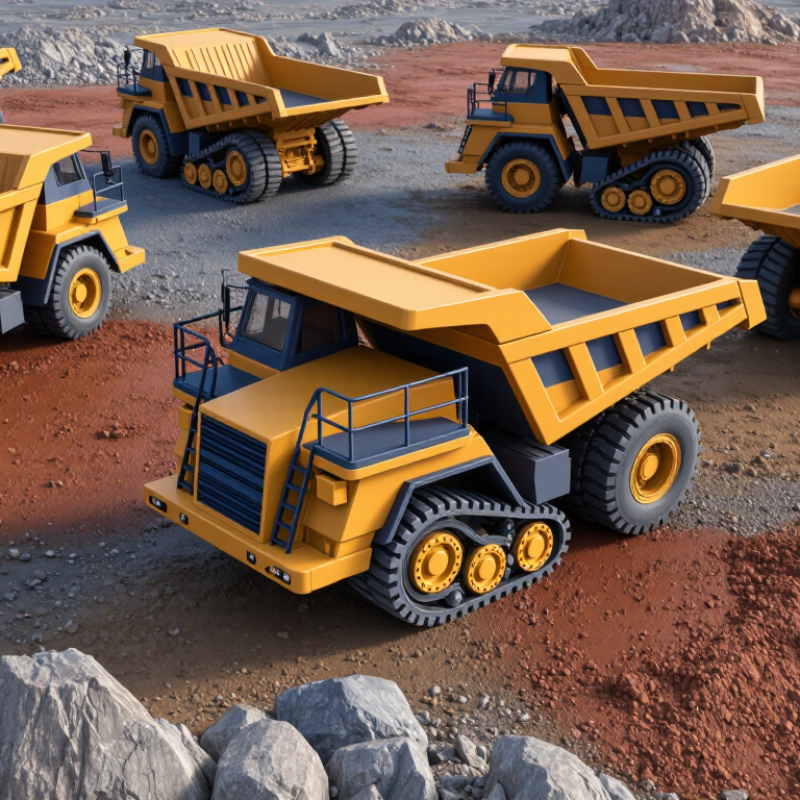
Buying dumper tracks starts with accurate identification, not a guess from photographs. Locate the machine plate, service manual, or parts record. Record the manufacturer, model, production year, and serial number. These details can separate two machines that look nearly identical. Measure the existing track while it is clean and relaxed. Note its width, tread pattern, and number of links. Then measure the pitch, which is the distance between matching pin centers. Count carefully. A single missed link can create a costly mismatch. Measure twice.
Compare your measurements with the manufacturer’s undercarriage specifications. Check approved track width, pitch, link count, roller clearance, and sprocket compatibility. Some specifications also include lug design or guide arrangement. Record every value in one place before requesting a quotation. A reliable supplier should confirm fit using the machine model and serial number, not dimensions alone. This extra check helps protect the final drive and reduces installation problems. Do not trust tread appearance alone.
Inspect the old track for clues. Uneven lug wear may indicate incorrect tension, worn rollers, or misalignment. New tracks cannot repair damaged undercarriage parts. In my workshop experience, rushed measurements caused more trouble than difficult installation. I once copied a width from an old invoice and ignored a later machine modification. That was careless. Photos help, but they cannot replace verified specifications. If the manual and machine plate disagree, pause and confirm the serial number with a qualified parts technician before ordering. Fit matters more than a quick price.

Buying the right dumper tracks starts with load capacity, not tread appearance. A 10-ton dumper may carry different loads across soft clay, gravel, and broken concrete. Check the machine’s operating weight, payload, and rated ground pressure. The 2024 Off-Highway Research construction equipment review shows continued demand for compact machines on restricted sites. That trend makes track selection more important. Smaller access does not mean lighter work.
Tip: Match the track carcass and ply rating to the heaviest regular load. A higher rating can reduce sidewall damage, but it may also transmit more vibration. Use the manufacturer’s load table, not a guess from track width. Wider tracks spread weight over more soil. They also need enough clearance around the rollers and frame.
Tip: Study the working surface closely. Deep lugs improve grip in wet clay, while a tighter pattern can run more smoothly on hard-packed lanes. The U.S. Federal Highway Administration’s 2023 pavement condition data shows heavy vehicle loading accelerates surface distress. Tracks do not remove that risk. Reduce sharp turning on finished surfaces.
Tip: Confirm heat, moisture, and debris exposure. Steel reinforcement suits severe impact, while rubber compounds may protect sensitive ground. I have seen operators choose oversized tracks for confidence, then lose steering precision. That shortcut looks clever, but it is not. Allow room for imperfect conditions, because job sites rarely stay predictable.
| Tip | Data Dimension | Typical Reference Data | Track Design Recommendation | Buying Check |
|---|---|---|---|---|
| 1 | Match the track to payload and gross machine weight | Compact dumpers commonly carry approximately 0.5–2 tonnes; medium machines approximately 2–5 tonnes; larger tracked dumpers may exceed 5 tonnes. | Select tracks and undercarriage components according to the machine's fully loaded operating weight, not payload alone. A higher-capacity machine generally requires wider tracks, stronger carcasses, larger rollers and more robust drive lugs. | Confirm the maximum payload, operating weight, axle or frame loading, and the manufacturer's rated track load. Do not use a track designed only for an unloaded machine. |
| 2 | Control ground pressure | A practical target for soft ground is often approximately 20–40 kPa, depending on soil strength, machine weight and operating conditions. | Use wider tracks or a longer ground-contact length to spread the load. For example, a 4,000 kg loaded machine with two 350 mm wide tracks and a 1.6 m contact length produces approximately 35 kPa of static ground pressure, before dynamic effects. | Estimate ground pressure using: Machine weight × 9.81 ÷ total track contact area. Allow additional margin for turning, slopes, acceleration and uneven loading. |
| 3 | Choose a suitable track width and footprint | Common track widths for tracked dumpers are approximately: 180–300 mm for compact machines, 300–450 mm for medium machines, and 450 mm or more for heavier applications. | Narrow tracks improve access through gates and confined areas. Wider tracks improve flotation and stability but can increase machine width, turning resistance and component loads. | Measure the existing track width, overall track length, pitch, number of links, guide-lug position and sprocket engagement. Also check the maximum permitted machine width for the jobsite. |
| 4 | Match tread pattern to the working surface | Smooth or lightly barred tread patterns suit finished surfaces and compact soil. Open, deep-lug patterns provide better cleaning and traction in mud. Reinforced tread designs are more suitable for gravel, demolition debris and rocky terrain. | Choose a tread that balances traction, vibration, turning resistance and surface protection. Excessively aggressive lugs can damage paved surfaces and increase steering effort. | Identify the dominant surface: asphalt or concrete, compacted soil, wet clay, sand, gravel, rock or mixed construction debris. Select for the most demanding regular condition rather than occasional light work. |
| 5 | Select rubber, steel or a reinforced construction | Rubber tracks normally provide lower vibration and better surface protection. Steel tracks generally tolerate sharp rock, high abrasion and severe impact better, but may increase noise and surface damage. | Use rubber for landscaping, agriculture, road edges and finished surfaces where low ground disturbance matters. Consider steel or heavily reinforced track construction for quarrying, demolition, sharp rock and high-abrasion work. | Check the rubber compound, carcass reinforcement, steel-cord protection, tread depth and resistance to cuts, heat, oil and ozone. For steel systems, check shoe profile, link strength and corrosion protection. |
| 6 | Verify fit, tension and undercarriage compatibility | Track pitch and link count must match the sprocket and undercarriage geometry. Incorrect tension can cause derailment, accelerated wear or excessive drive-system loading. | The replacement track must be compatible with the existing sprocket, idler, rollers, frame clearance and tensioning system. Track alignment and correct sag are as important as the track's nominal dimensions. | Record five key measurements: width, pitch, link count, overall length and guide-lug or center-guide configuration. After installation, inspect clearance and set tension according to the machine's service specification. |
| 7 | Compare service life and total operating cost | Track life varies widely with load, turning frequency, soil abrasiveness, travel speed, cleaning and maintenance. Frequent counter-rotation and operating on sharp debris can significantly shorten service life. | A track with stronger reinforcement and a suitable compound may cost more initially but reduce downtime and replacement frequency in demanding applications. A softer, lower-cost track may be adequate for light, clean ground. | Compare purchase price, expected operating hours, downtime risk, warranty terms, installation cost, availability of matching undercarriage parts and the recommended inspection interval. |
7 Tips for Buying the Right Dumper Tracks?
Choose the Right Tread Pattern for Terrain and Traction
Tread design decides how a dumper behaves on wet clay, loose gravel, and uneven ground. Deep, open lugs usually clear mud better, while closely spaced blocks offer smoother travel on hard surfaces. Tip 1: Match the pattern to your dominant terrain. Tip 2: Check the track width against ground pressure. Wider tracks can reduce sinking, but they may steer less precisely. Tip 3: Compare lug height with the site’s sharp-stone risk. Very tall lugs can improve grip, yet they may wear unevenly on abrasive haul roads.
Field checks matter more than catalogue claims. Walk the route after rain. Note standing water, exposed rock, and slopes near loading areas. The USDA NRCS Soil Health Technical Note 330-06 explains that wet soil loses strength and becomes more vulnerable to compaction. That finding supports using broader contact patterns on saturated ground. Tip 4: Choose staggered tread blocks for mixed terrain. Tip 5: Avoid an aggressive pattern if most travel occurs on concrete. It can create vibration and faster edge wear. Tip 6: Inspect the carcass, guide lugs, and sidewalls, not only the tread.
The European Commission’s 2024 construction ecosystem report highlights productivity and equipment efficiency as continuing sector priorities. Tip 7: Record operating hours, load weight, and ground conditions. Small mistakes happen. I once underestimated drainage, and the “ideal” tread still slipped badly. Review your assumptions before ordering. A dealer or track technician should verify dimensions, load rating, and machine compatibility.
Buying the right dumper tracks starts with material, not price. Rubber tracks usually reduce vibration and surface damage. Steel tracks resist sharp rock, heat, and severe abrasion better. Compare rubber compound, steel-cord protection, tread depth, and lug design. ISO 4649 abrasion testing offers a useful laboratory reference, but jobsite results can differ.
Durability depends on the working surface. Measure daily travel distance, payload, turning frequency, and ground temperature. A deep tread may improve traction, yet it can increase rolling resistance. The U.S. Department of Energy reports that correct maintenance can improve fuel economy by up to 4%, although this figure is not dumper-specific. Check tension every shift. Small alignment errors become expensive quickly. I once underestimated downtime in a cost estimate; that was a poor assumption.
Calculate total operating cost over the replacement cycle. Include purchase price, fuel, downtime, labor, undercarriage wear, and disposal. EquipmentWatch cost-recovery data separates ownership costs from operating costs, which helps prevent incomplete comparisons. For example, a track costing 20% more may still be cheaper if it lasts 35% longer and reduces stoppages. Ask suppliers for test results, warranty conditions, and documented field hours. Inspect return rollers and sprockets too. New tracks cannot compensate for worn components. Keep a simple log. Record hours, terrain, tension changes, and visible cuts. Then compare cost per operating hour, not cost per track.
Fitment and maintenance decide whether dumper tracks deliver stable traction or create expensive downtime. Before ordering, record the machine model, serial number, track width, pitch, link count, and sprocket profile. Measure both old tracks. Small differences can prevent correct engagement.
Tip: Verify the installation fitment twice.
Check the idler, rollers, sprocket, and frame for damage or packed soil. A new track cannot correct worn metal parts. During installation, confirm the track travels centrally and does not rub the chassis. Use the equipment manual for tension settings, rather than guessing with a wrench. McKinsey’s maintenance research reports that predictive maintenance can reduce downtime by 30–50% and maintenance costs by 10–40%. These figures are not dumper-specific, but they show why planned inspections matter.
Tip: Build a simple maintenance log.
Inspect tracks daily for cuts, exposed cords, missing lugs, uneven wear, and trapped stones. Clean mud before parking, especially after work on wet clay. Check tension weekly, or more often in abrasive ground. Record operating hours, adjustments, and unusual vibration. The Construction Equipment Association’s maintenance guidance emphasizes documented inspections and scheduled servicing for safer, more reliable equipment. I would still question fixed intervals. Rocky sites may demand earlier checks, while soft soil may hide wear. After installation, run the dumper slowly for several minutes and recheck alignment. That small pause can reveal a costly mistake.
Typical service-planning intervals are shown in operating hours. Daily visual checks, regular tension inspections, and scheduled bolt and undercarriage checks help confirm fitment, reduce premature wear, and support safer dumper operation. Always verify dimensions, tread pattern, load rating, and service intervals against the machine’s operating manual.
Headquarters
2980 Scott St, Vista, CA 92081
Phone: (760) 734-4177
Fax: (760) 734-4188
Open: 8:00 am – 4:30 pm
Texas
8051 Jetstar Dr #175 Irving, TX 75063
Phone: (972) 915-6888
Fax: (972) 915-6999
Open: 8:00 am – 4:30 pm
Florida
14231 Jetport Loop. #1 Fort Myers, FL 33913
Phone: (239) 225-4020
Fax: (239) 225-4024
Open: 8:00 am – 4:30 pm