Choosing a Lotion Filling Machine requires more than comparing speeds, prices, or stainless-steel finishes. The machine must handle viscosity, foaming, temperature, container shape, and daily cleaning demands. A thick body butter behaves differently from a light hand lotion. Small differences matter.
PMMI’s 2024 State of the Industry report places North American packaging machinery shipments above 10 billion dollars in 2023. Its findings also highlight continued investment in automation, labor efficiency, and flexible production. Grand View Research reports that the global cosmetics packaging market continues to expand, supported by premium products and rising personal-care consumption. These trends create pressure for accurate, adaptable filling equipment. However, market growth does not guarantee a suitable machine. That assumption deserves review.
Quality expert W. Edwards Deming offered a useful warning: “In God we trust; all others must bring data.” For a Lotion Filling Machine, that data should include fill-weight tests, viscosity ranges, pump accuracy, changeover time, and cleaning records. Ask for evidence, not attractive promises. A fast machine may still produce inconsistent fills. A cheaper machine may create higher labor costs later. A complex system may also be unnecessary for a smaller factory.
This guide presents ten practical tips for evaluating equipment. It considers filling accuracy, product compatibility, nozzle design, automation, maintenance, validation, and supplier support. The best choice is rarely the most impressive specification sheet. It is the machine that performs reliably beside your actual production line.
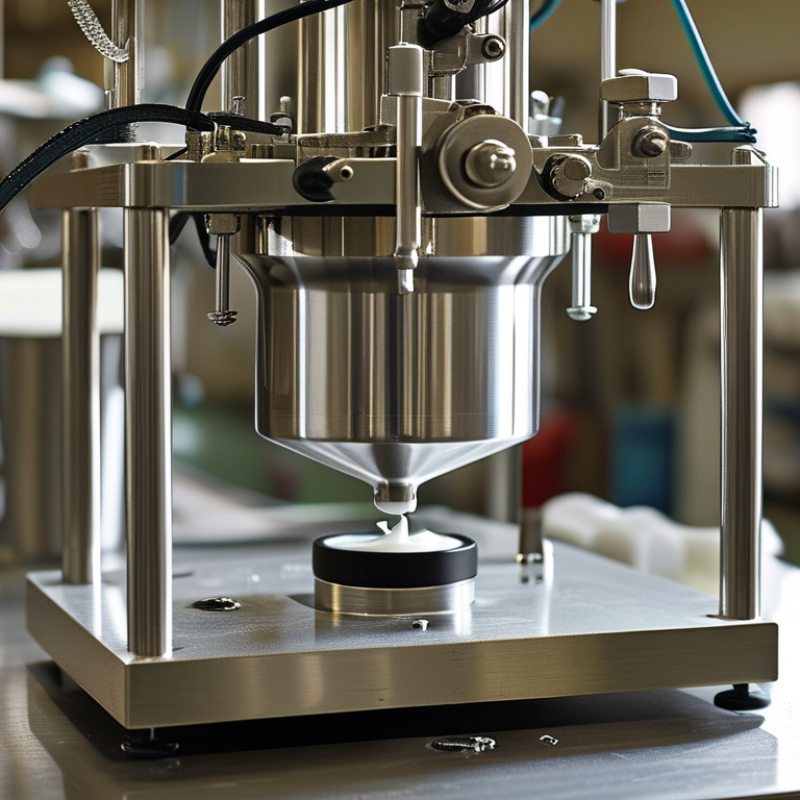
Choosing a lotion filling machine starts with understanding the product, not the machine catalog. Lotion may be thin and pourable, or thick like softened butter. Its viscosity can change with temperature, mixing speed, and storage time. Measure these changes before selecting pumps, valves, and filling nozzles.
An emulsion may contain air after mixing. That air can create uneven volumes and messy bottle shoulders. A low-shear pump can reduce this problem, but testing remains essential. Watch how the lotion flows at the coldest and warmest production temperatures. A heated hopper may help thick lotion move steadily. However, too much heat can damage sensitive ingredients. Small details matter.
The container also defines the filling requirements. Narrow openings need accurate, anti-drip nozzles. Wide jars may require multiple filling heads for better output. Check the target fill weight, acceptable tolerance, batch size, and cleaning method. Product-contact parts should suit the lotion’s pH and formulation. Ask for trials using your real lotion and packaging. Water tests are useful, but they can hide problems. A machine that performs well with water may struggle with a dense cream. Review the trial records carefully, including foaming, dripping, and restart accuracy. A slower filling speed may be more reliable than an impressive theoretical output.
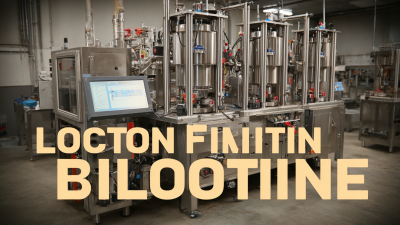
10 Tips for Choosing a Lotion Filling Machine
Match the machine type to viscosity and container design. Lotion texture changes with temperature, ingredients, and mixing time. A thin body lotion may run smoothly through a piston or pump filler. Thick creams often need servo-driven pistons, wider valves, or heated hoppers. Small tests matter. A product that looks fluid in a beaker may move slowly through a narrow filling path.
Tip 1: Measure viscosity at the actual filling temperature. Record the temperature, shear conditions, and resting time. These details help prevent inaccurate capacity decisions. Tip 2: Check the container opening before choosing the nozzle. Narrow necks require smaller, longer nozzles and careful anti-drip control. Wide jars may accept multiple nozzles, but spacing can become difficult. Tip 3: Test the container’s shape, not only its volume. Tapered bottles, shoulder curves, and soft walls can create uneven fill levels. I have seen a machine fill correctly in clear test tubes, then struggle with flexible retail bottles. The container changed everything.
Ask for sample trials using your lotion and containers. Observe dripping, splashing, air pockets, and residue on the rim. A gentle diving nozzle may improve results for tall bottles. Bottom-up filling can reduce trapped air in thick products. However, it may slow the cycle. That trade-off is easy to overlook. Select controls that allow recipe adjustment, because real production conditions rarely match the first laboratory trial.
Match the machine type to viscosity, container design, filling accuracy, and production requirements.
The chart shows typical suitability ratings for common filling technologies across practical lotion viscosity ranges. Low-viscosity products generally flow well through peristaltic systems, while thicker lotions typically require piston or gear-pump technology.
When choosing a lotion filling machine, test accuracy before admiring its maximum speed. Lotion changes with temperature, viscosity, and air content. A machine filling 250 ml should repeatedly stay within your acceptable tolerance, not merely hit the target once. Ask suppliers for recorded results from products with similar thickness. Request filled samples, weighing data, and nozzle settings. Small errors become expensive across thousands of containers.
Speed must match real production, not a brochure number. According to PMMI’s 2024 State of the Industry report, manufacturers continue prioritizing automation, labor efficiency, and equipment uptime. Those priorities matter during long filling runs. Check the machine’s output after stoppages, cleaning, and container changes. A rated speed of 60 bottles per minute may become 42 in daily operation. I have seen this gap surprise otherwise careful buyers. It deserves scrutiny.
Capacity also requires practical calculation. IFR’s World Robotics 2024 report recorded 541,302 industrial robot installations worldwide in 2023, showing continued investment in automated production. However, automation is useful only when upstream mixing and downstream capping can keep pace. Compare pump size, hopper volume, conveyor length, and changeover time. Leave room for future demand. Too little capacity creates delays; too much capacity can waste capital. Run a trial with your actual lotion, containers, and planned batch size before approving the purchase.
The following comparison uses practical engineering ranges commonly applied to lotion and cosmetic liquid filling lines. Actual results depend on product viscosity, temperature, foaming behavior, container geometry, fill volume, and machine configuration.
| Tip | Evaluation Dimension | Indicative Data or Target | What to Check | Selection Guidance |
|---|---|---|---|---|
| 1 | Verify filling accuracy | Typical target: ±0.5% to ±1.0% of the set fill volume for a properly tuned piston system. | Request test results based on the actual lotion, container, nozzle, and target volume. Check both average fill weight and variation across repeated samples. | Choose a servo-driven piston or positive-displacement system when consistent net content and low product giveaway are important. |
| 2 | Match the pump technology to viscosity | Time-pressure filling is generally suited to low-viscosity products; piston filling is commonly used for medium- to high-viscosity lotions. | Measure viscosity at the intended filling temperature. Confirm whether the lotion contains oils, waxes, suspended particles, or shear-sensitive ingredients. | For thick or changing-viscosity lotions, prioritize positive-displacement filling and a hopper with controlled agitation. |
| 3 | Calculate practical filling speed | For a 100–250 ml lotion container, an inline machine may commonly achieve approximately 20–80 containers per minute, depending on the number of heads. | Separate the advertised maximum speed from the sustained operating speed, which includes indexing, container placement, settling, and changeover time. | Use the expected daily output and required operating hours to determine the minimum sustainable containers-per-minute rate. |
| 4 | Evaluate production capacity | Required hourly capacity can be estimated as: daily units ÷ available production hours ÷ expected efficiency. A planning efficiency of 70%–85% is often more realistic than 100%. | Include breaks, cleaning, setup, material replenishment, minor stoppages, and quality checks in the capacity calculation. | Select a machine with approximately 15%–25% more nominal capacity than the calculated requirement to allow for demand growth and normal downtime. |
| 5 | Check fill-volume range | Many lotion fillers support a working range such as 10–1,000 ml, but accuracy normally improves when the selected pump and piston size are well matched to the target volume. | Confirm the smallest and largest container sizes, the number of interchangeable product-contact parts, and the adjustment method. | Choose a machine whose normal operating range places the main product sizes near the middle of its calibrated range rather than at the limits. |
| 6 | Assess nozzle and anti-drip performance | Bottom-up or diving nozzles can help reduce splashing and air entrapment. Shut-off or suck-back mechanisms help limit stringing and dripping. | Run trials with the actual lotion at production temperature and inspect the container neck, shoulder, label area, and conveyor for residue. | For foamy or stringy lotions, prioritize diving nozzles, controlled filling speed, and a validated anti-drip design. |
| 7 | Confirm product-contact materials | Common hygienic choices include 316L stainless steel for product-contact surfaces and elastomers selected for chemical compatibility. | Review material certificates, surface finish, gasket composition, weld quality, and compatibility with oils, fragrances, preservatives, and cleaning chemicals. | Use sanitary, corrosion-resistant construction when the lotion is sensitive to contamination or contains aggressive cosmetic ingredients. |
| 8 | Measure cleaning and changeover time | A practical target is a repeatable changeover and cleaning procedure that can be completed within 30–90 minutes, depending on the product and line complexity. | Time disassembly, draining, washing, sanitizing, inspection, and reassembly. Check whether tools are required and whether dead legs or difficult-to-reach areas exist. | Prefer tool-free product-contact removal, short sanitary paths, drainable piping, and documented cleaning procedures. |
| 9 | Review controls and recipe repeatability | Digital recipe storage should record fill volume, speed, acceleration, nozzle height, dwell time, and other repeatable settings. | Check whether operators can lock critical parameters, track alarms, export production data, and restore a validated recipe after changeover. | Choose a programmable control system when multiple lotion formulas, container sizes, or production shifts must be managed consistently. |
| 10 | Validate the machine with a factory acceptance test | A useful test should cover at least three consecutive production runs using the actual product, container, fill volume, and intended speed. | Record fill-weight data, line speed, reject rate, startup losses, cleaning time, and operator adjustments. Establish acceptance limits before testing. | Do not approve a machine solely on an empty-container demonstration; require documented performance under realistic production conditions. |
Choosing a lotion filling machine requires more than matching output speed to your production plan. Hygiene deserves equal attention. In a real filling room, thick lotion can remain behind a piston seal or inside a poorly welded pipe. I look for 316L stainless steel on product-contact surfaces, smooth welds, and sanitary fittings. Avoid sharp corners and dead legs. They trap residue. Gaskets should suit the lotion, cleaning chemicals, and operating temperature. A material certificate is useful, but it does not replace an inspection.
Cleaning features should be tested with the actual lotion, not only water. Ask whether the machine supports validated clean-in-place cycles or allows quick, complete disassembly. Drainable tanks, accessible valves, and clear spray coverage reduce hidden residue. Watch the rinse. Cloudy runoff is a warning. Operators also need readable instructions and safe access. I once underestimated a narrow outlet; it added manual scrubbing time every shift. That mistake changed our evaluation checklist.
Changeover design affects hygiene and labor. Tool-less clamps, removable product hoses, and stored recipes can shorten transitions between lotion types. Still, automation is not proof of cleanliness. Verify fill accuracy after each changeover, especially when viscosity changes. Check that the control system records settings and cleaning checks. Keep product-contact parts visibly separated from used components. Simple details matter. A short trial with your containers, closures, and thickest formula will reveal more than a brochure. Leave time for training, because a clever machine can still be poorly operated.
10 Tips for Choosing a Lotion Filling Machine
Choosing a lotion filling machine requires more than matching bottle volume to a pump range. In production trials, measure fill accuracy at startup, after changeovers, and near tank depletion. Automation should reduce adjustments, not hide them behind a touchscreen. Check servo control, recipe storage, automatic nozzle shutoff, and sensor cleaning access. Tip 1: Test three viscosities, not one. Lotion may thicken in a cool room and drip during pauses. Operators should clear jams without bypassing safety features.
Safety requires hands-on verification. Ask whether guards, interlocks, emergency stops, and pressure-release procedures work during a live demonstration. Do not accept a checklist alone. Tip 2: Watch the operator’s hands. Safe layouts keep fingers away from moving nozzles and conveyors. Confirm that cleaning procedures are practical, because complicated access often encourages rushed sanitation. Small weaknesses become serious risks during night shifts or production pressure.
Total ownership cost includes more than the purchase price. Calculate electricity, compressed air, spare parts, training, sanitation time, and rejected product. Request service response times in writing, including remote diagnostics and technician availability. Tip 3: Price the idle hour. A cheaper machine can become expensive when a simple valve waits days for replacement. Review wear-part life, documentation, and upgrade options. Ask for a reference installation using similar lotion and batch sizes. Perfect projections rarely survive real production, so reserve funds for change parts and one inconvenient lesson.
Headquarters
2980 Scott St, Vista, CA 92081
Phone: (760) 734-4177
Fax: (760) 734-4188
Open: 8:00 am – 4:30 pm
Texas
8051 Jetstar Dr #175 Irving, TX 75063
Phone: (972) 915-6888
Fax: (972) 915-6999
Open: 8:00 am – 4:30 pm
Florida
14231 Jetport Loop. #1 Fort Myers, FL 33913
Phone: (239) 225-4020
Fax: (239) 225-4024
Open: 8:00 am – 4:30 pm