Top Brick Moulding Machine Factory in China for Global Buyers?
The global demand for high-quality brick moulding machines is on the rise. According to a report by Mordor Intelligence, the brick machinery market is projected to grow at a CAGR of 3.5% from 2021 to 2026. This growth is driven by urbanization and increased construction activities worldwide.
China stands out as a leading hub for brick moulding machine manufacturing. Experts like Dr. Li Wei, a renowned industry analyst, emphasize the importance of innovation. He stated, “The future of the brick moulding machine industry lies in sustainable practices and advanced technology.” Such insights highlight the increasing need for efficiency and environmental considerations.
However, challenges persist. Many factories still rely on outdated methods, which can hamper production efficiency. It's crucial for global buyers to choose a brick moulding machine factory that balances innovation with reliability. Achieving this equilibrium can be tough. Yet, it remains essential for staying competitive in the dynamic construction sector.
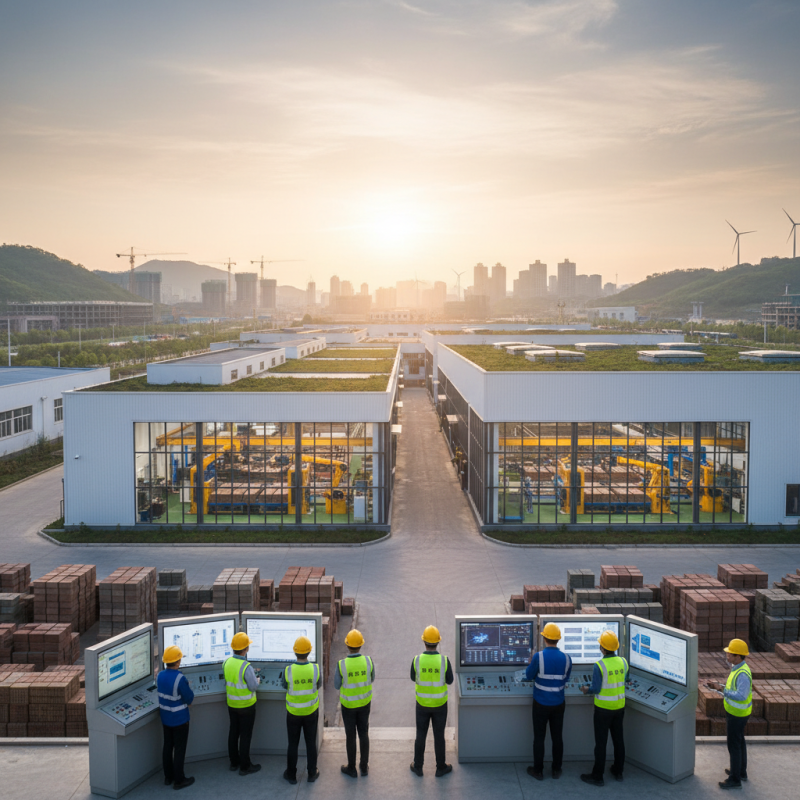
Overview of Brick Moulding Machines and Their Importance
Brick moulding machines play a crucial role in the construction industry. They are essential for creating durable bricks used in various building projects. According to the Global Market Insights report, the brick manufacturing industry is projected to reach USD 200 billion by 2027. This growth emphasizes the rising demand for efficient moulding machines.
These machines enhance production speed and consistency. Reports indicate that automated systems can increase output by up to 30%. However, choosing the right technology can be challenging for many manufacturers. The complexity of machinery often requires specialized training. This can be a barrier for smaller operations that may lack training resources.
The performance of brick moulding machines relies on factors like design and raw materials. Some companies still use outdated methods, which results in higher labor costs. It's vital for businesses to assess their processes regularly. Investing in modern machinery could lead to greater efficiency. This is not just about speed; it’s about reducing waste and improving overall quality.
Key Features to Look for in a Brick Moulding Machine
When selecting a brick moulding machine, certain key features are vital for ensuring efficient and reliable production. One major aspect is the machine's capacity. High-capacity models can produce up to 20,000 bricks per day. Such output is crucial for meeting the demands of large-scale construction projects. However, it's essential to balance capacity with energy consumption, as some high-output machines may not be energy efficient.
Durability is another critical feature. A robust brick moulding machine should withstand harsh conditions. Machines made with high-quality steel can last significantly longer, potentially up to 10 years with proper maintenance. However, lower-quality machines may require frequent repairs, leading to increased operational costs. Pay attention to customer reviews and manufacturer specifications to gauge long-term reliability.
Automation is trending in the brick-making industry. Fully automatic machines reduce labor costs and minimize human error. Data indicates that automated production can increase efficiency by 30% compared to manual methods. Yet, investing in automation requires upfront capital. Smaller businesses may find it challenging to justify this investment without a reliable business plan. Balancing automation with workforce capabilities can drive better decision-making.
Leading Brick Moulding Machine Manufacturers in China
China has become a global leader in manufacturing brick moulding machines. The rapid industrial growth in this sector reflects significant advancements. Trends indicate that global demand for construction materials has surged, prompting manufacturers to enhance efficiency and automation in production lines.
Recent data shows that the brick moulding machine market is expected to grow by over 5% annually. This growth stems from the rising need for sustainable building solutions. Manufacturers are focusing on energy-efficient designs and high-output machines. Despite progress, challenges remain. Many factories struggle with quality control and consistency in production. Companies need to address these issues to maintain competitiveness.
There's also a growing emphasis on innovation. Automation, robotics, and artificial intelligence are transforming the production landscape. These technologies increase precision and speed. However, integrating such advancements can be costly and complex. Manufacturers must weigh the benefits against the financial implications, ensuring long-term viability in a rapidly changing market.
Comparative Analysis of Global Suppliers and Their Offerings
The global brick moulding machine market is evolving, with numerous suppliers vying for attention. A recent report by MarketsandMarkets indicates the market could reach $9.2 billion by 2027, growing at a CAGR of 5.2%. This growth is driven by increasing construction activities worldwide. Suppliers are leveraging technology to create efficient and eco-friendly machines.
Many manufacturers emphasize automation. Automated machines enhance productivity and reduce labor costs. However, not all suppliers offer the same level of technology integration. Some machines may lack adaptability, limiting their usability in various settings. Buyers must consider not only initial costs but also long-term value.
Quality and durability of machines are critical factors. Many global suppliers focus on raw material sourcing and manufacturing precision. Yet, discrepancies in quality control persist. Some factories might not comply with international standards consistently. Users should evaluate certifications and reviews. This ensures they invest in reliable machinery. The landscape is competitive, and understanding these nuances will greatly benefit buyers.
Export Procedures and Guidelines for International Buyers
When considering the purchase of brick moulding machines from a Chinese factory, understanding export procedures is crucial. Buyers need clarity on various stages of this process. First, engage with the factory’s export department. They provide key documents and guidelines. Essential documents include commercial invoices, packing lists, and bills of lading. These help ensure smoother transactions.
Next, familiarize yourself with customs regulations. Each country has its own import rules. These rules may impact delivery times and costs. It's important to verify these requirements to avoid delays. Sometimes, unexpected fees arise during the import process, leading to difficulties in budgeting. Thorough research can prevent these issues.
Communication with the factory is vital. Misunderstandings can lead to errors in orders and shipment. Language barriers may complicate discussions. Ensure you ask questions and clarify details. Even small miscommunications can result in significant problems later. It’s beneficial to maintain an open dialogue throughout the process. This builds trust and ensures better outcomes in the long run.
Top Brick Moulding Machine Factory in China for Global Buyers - Export Procedures and Guidelines for International Buyers
| Factory Location | Machine Type | Production Capacity (units/year) | Export Experience (years) | Certifications | Minimum Order Quantity | Lead Time (weeks) |
| Zhejiang Province | Semi-automatic | 5000 | 10 | ISO9001, CE | 5 | 6 |
| Jiangsu Province | Fully automatic | 10000 | 15 | ISO9001, CE, SGS | 3 | 8 |
| Henan Province | Manual | 2000 | 5 | ISO9001 | 10 | 4 |
| Shandong Province | Hybrid | 8000 | 12 | ISO9001, CE | 4 | 5 |
| Guangdong Province | CNC | 12000 | 20 | ISO9001, CE, RoHS | 2 | 10 |