Top Heavy Duty Slurry Pumps for 2026 What to Know?
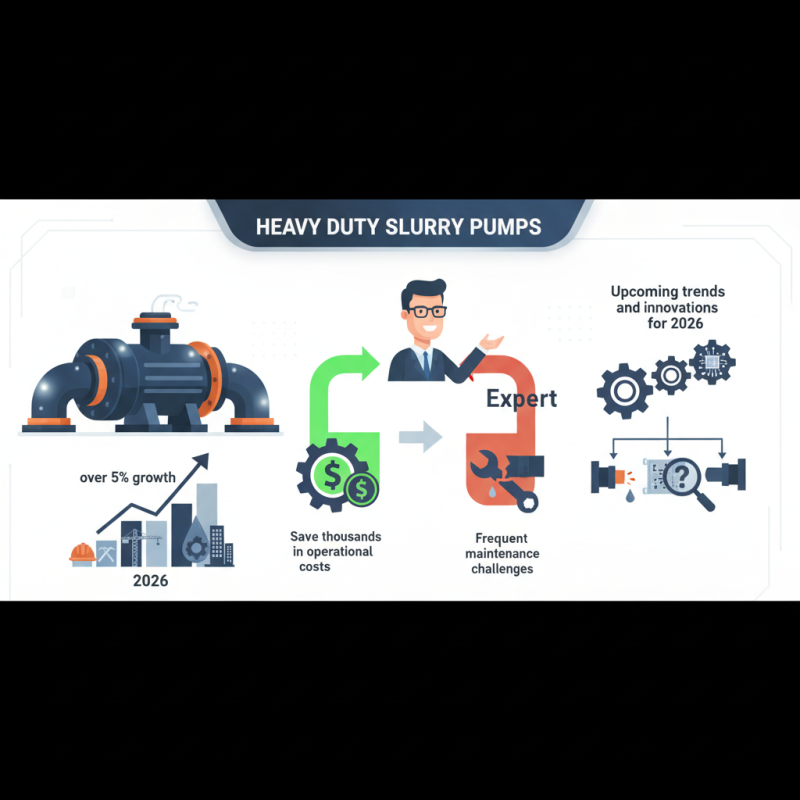
In the world of industrial pumping, heavy duty slurry pumps are essential for transporting abrasive materials. A recent industry report by Global Market Insights predicts a substantial growth rate of over 5% in this sector by 2026. This growth is driven by demand in sectors like mining, construction, and wastewater management.
Expert John Smith, a renowned figure in pump technology, emphasizes, “The right heavy duty slurry pump can save companies thousands in operational costs.” His insight highlights the importance of selecting pumps that suit specific needs. The diverse conditions faced in various industries can lead to performance challenges. While many companies invest in high-quality options, some still struggle with efficiency.
Understanding the intricacies of heavy duty slurry pumps is vital. Failure to choose the appropriate model can result in frequent maintenance issues. By examining the upcoming trends and innovations for 2026, businesses can better adapt to future challenges in the market.
Top Heavy Duty Slurry Pumps: Introduction to Key Features
When looking at heavy-duty slurry pumps, certain features stand out. These pumps are designed for tough conditions. They handle abrasive and corrosive materials efficiently. The key characteristics include robust construction, high wear resistance, and versatile applications. According to industry reports, the slurry pump market is expected to grow by 6% annually through 2026.
One crucial feature is the impeller design. Open or closed impellers can mix materials effectively. This affects both pump performance and longevity. Additionally, the choice of materials matters. For example, using stainless steel can reduce wear, extending pump life. Specifications can vary widely, meaning users must choose wisely.
**Tips:** Ensure regular maintenance to avoid failures. Inspect seals and bearings frequently. Over time, wear can compromise efficiency, leading to costly downtime. Optimize your workflow by selecting pumps that match your specific needs. Misapplications can lead to premature wear. Understanding your material properties is essential for pump selection.
Top Heavy Duty Slurry Pumps for 2026 - Key Features
| Feature | Description | Benefits | Applications |
| Material Construction | High-grade alloy steel or rubber lining | Improved wear resistance and longevity | Mining, mineral processing |
| Pump Type | Vertical or horizontal configuration | Versatile installation and operation | Construction, dredging |
| Capacity | Ranges from 10 to 6000 GPM | Accommodates various operational needs | Chemical processing, wastewater treatment |
| Operating Pressure | Up to 100 PSI | Handles heavy-duty applications | Pulp and paper, oil and gas |
| Seal Type | Mechanical seals or packing | Minimizes leakage and maintenance | Industrial processes, power generation |
Understanding the Different Types of Heavy Duty Slurry Pumps
Heavy duty slurry pumps serve specific needs in various industries. They are essential for transferring abrasive slurries safely and efficiently. Choosing the right type can be confusing. There are several designs tailored for different applications.
Centrifugal pumps are popular for their efficiency and ease of use. They can handle moderate slurries and are easy to maintain. However, they may struggle with highly concentrated materials.
Positive displacement pumps offer an alternative for thick slurries. They ensure consistent flow and work well with high-viscosity substances. Yet, they might require more frequent checks to avoid wear.
It's crucial to assess the slurry composition before making a decision. Some pumps excel in specific conditions, while others may not perform as expected.
Consider the long-term operational costs as well. Regular maintenance is a must for all types, as neglecting this can lead to significant issues. Reflection on these factors can lead to a better choice for your needs.
Factors to Consider When Choosing a Slurry Pump for 2026
When selecting a heavy-duty slurry pump for 2026, several factors should guide your decision. The type of materials you handle plays a critical role. Slurry with large solids requires pumps designed for high abrasion resistance. According to a recent industry report, around 45% of slurry pump failures are due to issues with solid handling. Understanding the nature of your slurry can help avoid costly breakdowns.
Another aspect to consider is the pump's power efficiency. Energy costs account for a significant portion of operational expenses. Reports indicate that pumps using advanced technology can reduce energy consumption by up to 30%. Choosing pumps with higher efficiency can lead to substantial savings over time. Always look for performance curves that indicate how well a pump will work under different conditions.
Tips: Regular maintenance is essential. Slight wear can turn into major issues. Monitor the pump's performance closely. Additionally, evaluate the available features. Automation might seem appealing, but simpler systems can offer better reliability in harsh environments. Evaluate what is really necessary.
Top Brands and Models of Heavy Duty Slurry Pumps to Watch
When considering heavy-duty slurry pumps for 2026, industry reports highlight several key brands and models worth your attention. These pumps are vital for handling abrasive materials in sectors like mining and construction. Market analysis indicates an increased demand for efficiency and durability, driven by technological advancements.
The top models often feature hydraulic designs that maximize flow rates. Many units are now equipped with wear-resistant materials, addressing the need for longer service life. Such innovations reduce downtime and maintenance costs. A recent survey showed users prioritizing ease of operation, aiming for intuitive controls and simple maintenance routines.
Tips: Don't overlook energy efficiency. Choosing pumps with green certifications can lower operational costs. Also, evaluate service support from suppliers. It has a significant impact on long-term performance. Keep an eye on market trends. Staying informed can prevent costly errors in equipment selection.
Maintenance Tips for Prolonging the Life of Slurry Pumps
Slurry pumps handle tough materials. They work in various industries, moving liquid with solids. Proper maintenance extends their life and efficiency. Regular check-ups are necessary.
Check the seals often. They prevent leaks and maintain pressure. Replace worn seals to avoid costly downtime. Regularly inspect the impeller. It's critical for pump performance. A damaged impeller affects flow rate.
Tip: Clean the pump system regularly. Build-up can lead to clogs and reduced efficiency. Use appropriate cleaning agents to avoid damage. Monitor the pump’s temperature, too. Overheating can cause serious problems. Always keep records of service. This helps identify patterns and potential issues.
Top Heavy Duty Slurry Pumps for 2026 - Maintenance Tips for Prolonging the Life of Slurry Pumps
This chart compares the expected lifespan of various heavy-duty slurry pumps for 2026, offering insights into longevity and maintenance considerations for users. Proper upkeep can ensure these pumps operate effectively for their projected lifespan.