Top 10 Injection Molding Trends at 139th Canton Fair?
The 139th Canton Fair is set to showcase the top trends in Injection Molding. Scheduled from April 15 to May 5, 2026, this event will feature cutting-edge innovations in advanced manufacturing and new materials. Injection Molding is vital in producing various industrial parts and consumer products. The fair promises exciting developments in this field.
With over 1.55 million square meters of exhibition space, the fair will present a unique opportunity for buyers and suppliers. The introduction of AI-enabled search and smart navigation will enhance the experience. Attendees can easily identify suppliers with specific certifications like ISO or CE. Efficiency will improve significantly in such a vast area.
However, challenges remain. Not all suppliers may meet high standards. The landscape is competitive, and understanding trends is crucial. Exploring trends in Injection Molding will be essential for staying relevant. Companies must adapt and innovate continuously to thrive in this dynamic environment.
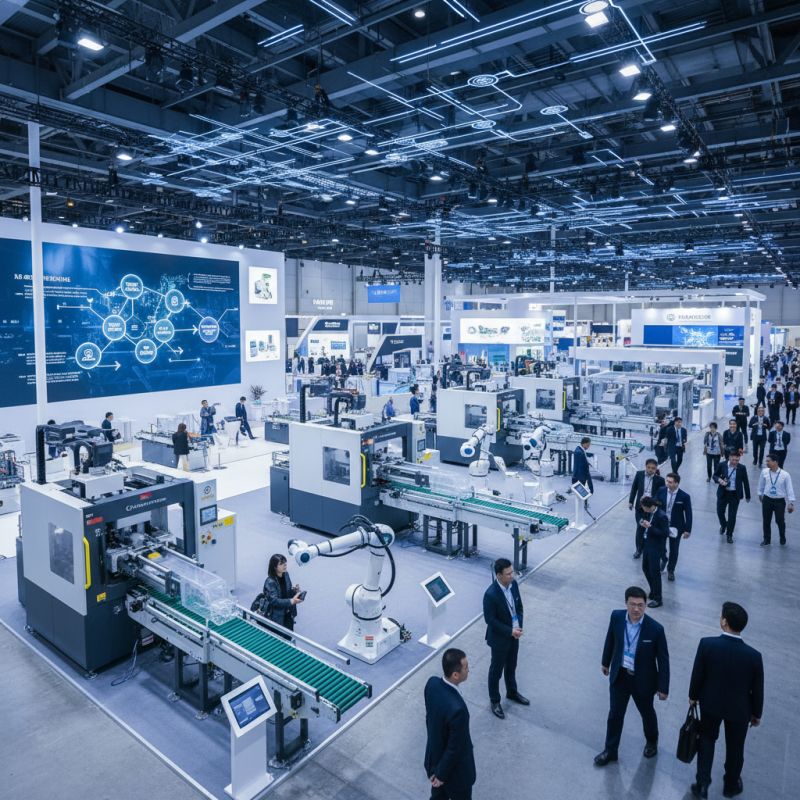
Emerging Technologies in Injection Molding at the 139th Canton Fair
The 139th Canton Fair showcased cutting-edge innovations in injection molding that captured the industry's attention. Notably, advanced automation and robotics featured prominently. These technologies promise to enhance production speed and efficiency. Attendees were eager to see how these advancements could minimize labor costs, yet concerns emerged about the potential for job displacements.
Another highlight was the rise of sustainable materials in injection molding. Manufacturers are now exploring eco-friendly alternatives to traditional plastics. This trend reflects a growing demand for environmentally conscious production. However, questions linger about the performance and scalability of these materials in various applications. Industry experts noted that while the shift is promising, it may not yet meet all the needs of manufacturers.
Additionally, digital transformation is reshaping the injection molding landscape. The integration of IoT and data analytics enables real-time monitoring and predictive maintenance. This could potentially reduce downtime significantly. However, many businesses struggle to implement these technologies effectively. The challenge lies not in the technology itself but in adapting existing processes to leverage its full potential.
Top 10 Injection Molding Trends at 139th Canton Fair
| Trend | Description | Emerging Technology | Expected Impact |
| Sustainability | Increased focus on biodegradable materials for production. | Bio-based plastics | Reduction in environmental footprint. |
| Smart Manufacturing | Integration of IoT devices for real-time monitoring. | Sensors and cloud computing | Increased efficiency and reduced downtime. |
| Automation | Use of robotics in the injection molding process. | Collaborative robots (co-bots) | Higher precision and flexibility in production. |
| Enhanced Materials | Development of advanced composites for stronger parts. | Reinforced plastics | Improved product performance. |
| 3D Printing | Integration of 3D printing for rapid prototyping. | Hybrid manufacturing techniques | Faster development cycles. |
| Data Analytics | Utilization of big data to optimize processes. | Machine learning algorithms | Improved decision-making capabilities. |
| Customization | Shift towards tailored solutions for customers. | On-demand manufacturing | Enhanced customer satisfaction. |
| Energy Efficiency | Adoption of energy-saving machines. | Electric injection molding machines | Reduced operational costs. |
| Circular Economy | Focus on recycling and reusing materials. | Closed-loop manufacturing | Sustainable business practices. |
| Remote Operations | Shift to remote management of production. | Virtual reality (VR) tools | Greater flexibility and real-time control. |
Sustainability Practices Revolutionizing Injection Molding Processes
Sustainability is a hot topic. The injection molding industry is beginning to embrace greener practices. At the 139th Canton Fair, many companies showcased eco-friendly innovations. These new methods aim to reduce waste and improve energy efficiency. For example, some use recycled materials. This practice conserves resources, but is it enough?
There are challenges to consider. Transitioning to sustainable processes requires significant investment. Companies must analyze their production lines carefully. Sometimes, the cost of switching outweighs the benefits. Additionally, not all recycled materials perform equally well. Quality can suffer, impacting the final product.
Collaboration is essential. Manufacturers need to work together to share best practices. By pooling resources, they can develop new technologies. This collective effort could drive meaningful change. However, ensuring consistency and reliability in sustainability efforts remains complex. The path forward is not straightforward, but the potential rewards are substantial.
Innovations in Materials for Injection Molding Showcase
The 139th Canton Fair has highlighted significant innovations in materials for injection molding. Exhibitors showcased a range of advanced polymers and composites designed for improved performance. Many of these materials offer enhanced durability and flexibility. They cater to diverse industries, from automotive to consumer products.
One notable trend is the increasing use of biodegradable materials. These eco-friendly options are gaining traction due to environmental concerns. Yet, challenges remain in achieving the same performance as traditional materials. A careful balance between sustainability and functionality must be considered.
Moreover, the introduction of lightweight materials is noteworthy. They can significantly reduce production costs and improve energy efficiency. However, some manufacturers express hesitation about the reliability of these newer solutions. Questions about long-term performance linger, suggesting a need for ongoing research and development. The landscape is evolving, but there is room for improvement and reflection as businesses adapt to these new trends.
Market Trends Affecting Injection Molding Industry at Canton Fair
The injection molding industry is evolving rapidly, influenced by various market trends. The recent Canton Fair showcased innovative techniques and materials that are shaping the future. Industry professionals noted the growing emphasis on sustainability. Many manufacturers are now focusing on eco-friendly materials that reduce environmental impact. This shift is crucial, as consumers demand greener products.
Another trend observed at the fair is automation in the injection molding process. Robotics play a significant role in increasing efficiency and reducing labor costs. However, some experts express concerns over job displacement within the sector. The balance between technology and human labor is delicate. Additionally, feedback from exhibitors revealed that precision and speed are paramount.
However, not all companies have adapted quickly. Some still rely on outdated methods, which can hinder their growth. Improvement in quality control remains a challenge for many.
Last, the trend towards customization of products is becoming prevalent. Customers want tailored solutions that meet their needs. This demand puts pressure on manufacturers to be more flexible. However, not all companies can scale effectively. Reflecting on these trends, it becomes clear that while opportunities abound, obstacles must be addressed. The industry is in transition, and adapting to these changes is vital for success.
Future Predictions for Injection Molding Techniques and Equipment
The 139th Canton Fair showcased significant trends in injection molding technology. Future predictions suggest a shift toward more sustainable practices. A report from Market Research Future indicates that the global injection molding market is set to grow at a CAGR of 3.8% through 2027. This growth is driven by the demand for advanced materials and energy-efficient processes.
One key trend is the adoption of automation. Automated systems enhance production efficiency and minimize human error. According to a 2022 survey, nearly 70% of manufacturers plan to integrate automated solutions in their operations. However, the initial investment can be steep. Companies must weigh the trade-offs between immediate costs and long-term savings.
Tips for manufacturers include investing in material science research. Understanding material properties can lead to better product design and performance. Additionally, engaging with skilled professionals is crucial. The industry faces a talent shortage, which can hinder innovation. Training and development programs should be a priority for keeping talent in the field.