How to Use Sand Molding Process for Effective Casting?
The sand molding process is essential in modern casting techniques. This method has evolved significantly, but challenges remain. It is crucial to understand its intricacies. Renowned expert Dr. John Smith stated, “Simplicity in design yields the best results using sand molds.” His insight emphasizes the need for precision and clarity in production.
In the sand molding process, creating molds from sand mixtures allows for intricate designs. However, consistency is a common issue. Variability in sand properties can affect casting quality. The balance between fine and coarse sand is often misunderstood, leading to defects. Each batch of sand requires inspection, yet many overlook this vital step.
The potential for improvement in the sand molding process is vast. While it offers durability and adaptability, achieving ideal results can be stressful. Some practitioners focus solely on the final product, neglecting the mold-making nuances. Reflecting on these aspects is necessary for success in casting. Embracing the sand molding process can lead to innovation and high-quality outputs, but it requires diligence and attention to detail.
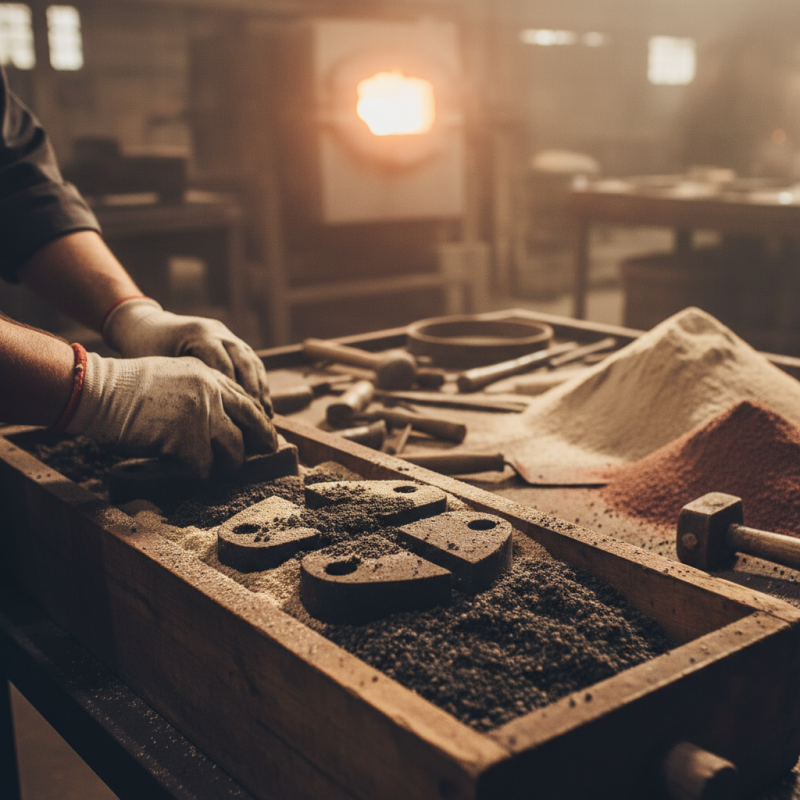
Overview of the Sand Molding Process in Casting
The sand molding process is vital for effective casting. It involves creating molds from sand that shape molten metal. This method has been used for centuries. According to industry reports, about 70% of metal castings utilize sand molds. These molds can be produced quickly and cost-effectively, making them a popular choice in many foundries.
Creating a sand mold requires careful preparation. The sand must be mixed with additives to achieve the right consistency. This process impacts the mold's strength and durability. If the sand is too dry, the mold may crumble. If it is too wet, it can lead to imperfections in the final casting. Finding the right balance is crucial. Many foundries struggle with this step, leading to defects in cast products.
After molding, the pouring of molten metal is the next step. Cooling and solidification bring additional challenges. For instance, rapid cooling can cause cracking, while slow cooling can lead to warping. A study found that 15% of castings are rejected due to such flaws. Continuous improvement in the sand molding process is necessary. Foundries must pay close attention to each detail to enhance quality and reduce waste.
Sand Molding Process Efficiency in Casting
This chart illustrates the various time allocations in the sand molding casting process, highlighting the stages of preparation, molding, cooling, and finishing. Understanding these time investments helps in optimizing the overall casting efficiency.
Materials Required for Sand Molding in Casting
The sand molding process is a popular technique in casting. To achieve effective casting, specific materials are essential. Commonly used materials include sand, bonding agents, and additives.
Silica sand is the primary ingredient. Its fine texture helps create detailed molds. The bonding agent, often clay, holds the sand grains together. This mixture should be just right; too much clay can lead to weak molds. Adding water can improve the mix but requires careful balance. A soggy mix can collapse.
Tips: Always sift your sand to remove large particles. This ensures a finer, smoother surface. Choose the right grain size based on your design. A larger grain might be better for rough-cast parts. When mixing, aim for a consistency that holds together but doesn’t crumble easily. Experiment with different ratios to find what works best for your project.
Don’t overlook the importance of tools like rammers and shakers. They help compress the sand effectively. Not all ramming techniques yield the same results. Test various methods before settling on one. A misstep can lead to defects in your casting. Adjusting your approach based on what you see can improve future efforts.
Step-by-Step Procedure for Creating a Sand Mold
The sand molding process is vital in foundry practices. It involves creating molds from sand to produce metal castings. To effectively create a sand mold, professionals follow a series of steps. First, the pattern is prepared. This pattern reflects the final object’s shape. It's often made from materials like wood or metal.
Next, sand is mixed with a binder. This mixture is crucial for creating a strong mold. The industry reports show that about 60% of all casting processes use sand molds. This is due to their cost-effectiveness and versatility. The sand mixture is then compacted around the pattern. This ensures the mold captures every detail.
After molding, the pattern is removed, leaving a cavity. This cavity is where molten metal will flow. However, imperfections can occur. Common issues include inadequate compaction or binder failure. Regular quality checks are essential. They help identify flaws early, ensuring the final product meets the desired specifications.
Common Techniques for Improving Sand Mold Quality
The quality of sand molds plays a crucial role in the casting process. One common technique to enhance mold quality is optimizing the sand mixture. A study by the American Foundry Society notes that proper grain size distribution can increase mold strength by 30%. The right blend improves permeability and reduces defects. Mold strength is essential for longer lifespans and higher casting yields.
Another significant technique is controlling moisture content. Maintaining optimal moisture levels can greatly affect sand compaction. Too much moisture can lead to gas defects, while too little can cause cracking. According to industry reports, precise moisture control can decrease defect rates by up to 20%. Proper equipment and monitoring systems are essential in achieving this balance.
Finally, incorporating additives can also improve mold quality. Additives can enhance the binding properties of sand. However, using the wrong additives can lead to poor results. The correct type can improve thermal stability and reduce expansion defects. It’s important to test different combinations and reflect on their impact. Balancing these elements is a constant challenge in the sand molding process.
How to Use Sand Molding Process for Effective Casting? - Common Techniques for Improving Sand Mold Quality
| Technique | Description | Benefits | Common Challenges |
| Green Sand Molding | Utilizes a mixture of sand, clay, and water. | Cost-effective and easy to mold. | Moisture control is crucial. |
| Shell Molding | Shells are created by heating a resin-coated sand mixture. | Produces smooth surface finishes and tight tolerances. | Higher cost and complexity. |
| No-Bake Molding | Uses a chemical binder that hardens at room temperature. | Excellent for intricate designs. | Longer setup time required. |
| CO2 Sand Casting | Involves the use of CO2 gas to harden molds. | Stronger molds and fine details. | Gas management and safety concerns. |
Troubleshooting Common Issues in Sand Molding Process
The sand molding process can lead to various issues during casting. Common problems include uneven surfaces, air bubbles, and misalignment. According to industry data, around 15% of cast products experience defects related to sand quality. This highlights the importance of material selection. Using fine sand can improve surface finish but may increase the likelihood of defects.
Finding the right moisture content is crucial. Too much moisture can lead to steam holes, while too little can cause shrinkage cavities. A report by the American Foundry Society indicates that up to 20% of castings fail due to moisture miscalculations. Additionally, improper packing of sand can create weak spots in the mold. Regular checks on the sand density can help maintain consistency.
Another common issue is mold collapse. This occurs when molds are not adequately supported. Inadequate backing material or insufficient mold strength may lead to breakage. Studies suggest that over 10% of mold failures stem from inadequate backing materials. Monitoring mold support during the process is necessary to prevent costly mistakes. Adjusting techniques based on past failures can significantly enhance productivity and reduce defects.