How to Use Stand Up Box Pouch for Packaging Solutions?
The stand up box pouch has become a popular choice in the packaging industry. Its versatility and cost-effectiveness attract various businesses. According to a recent report by MarketsandMarkets, the stand up pouch market is expected to grow to $64 billion by 2025. This trend reflects the rising demand for sustainable and convenient packaging solutions.
Experts emphasize the importance of innovation in packaging. John Smith, a leading packaging consultant, stated, "The stand up box pouch can drastically enhance product visibility and shelf appeal." This insight resonates with brands seeking to differentiate themselves. Yet, not every business fully utilizes its potential. Inadequate design or improper material choices can undermine effectiveness.
Despite its advantages, challenges remain. The art of packing efficiently is often overlooked. Companies may struggle with aligning product needs and pouch design. Learning from industry leaders is essential. Companies should explore best practices to maximize the benefits of stand up box pouch packaging.
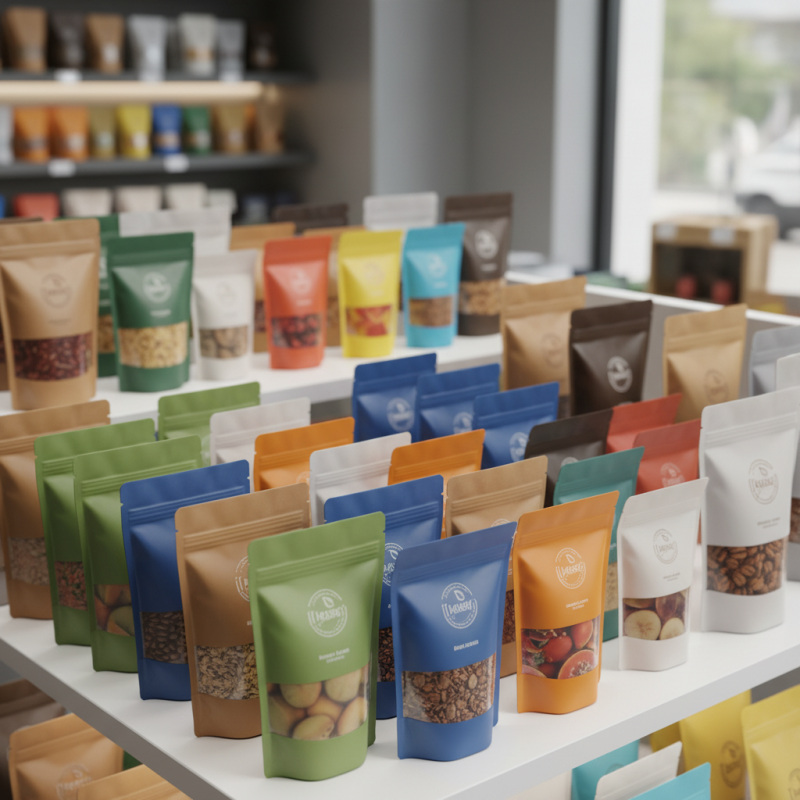
Understanding Stand Up Box Pouch: A Definition and Overview
The stand-up box pouch is a modern packaging solution that combines convenience and versatility. It features a bottom gusset that allows it to stand upright, making it ideal for shelves. This design enhances visibility, attracting consumers' attention easily. The material used is often flexible, adaptable for various products, from dry snacks to liquids.
One might wonder about the types of products suited for this pouch. It's not just about convenience. The stand-up feature can ensure the product remains fresh longer. However, its effectiveness depends on proper sealing and material choice. An inappropriate seal can lead to spoilage. Additionally, the environmental impact of materials chosen for these pouches raises questions worth considering.
Incorporating vibrant graphics on the pouch can enhance branding. Colors and images play a significant role in consumer attraction. Still, determining the right design is challenging. Too much clutter can confuse potential buyers. Balancing aesthetics and information is crucial for success in the market. Remembering these points can guide more effective packaging decisions in the future.
Usage of Stand Up Box Pouch in Packaging Solutions
This bar chart illustrates the distribution of market share for stand-up box pouches across various packaging categories, highlighting their primary uses in food and beverages, as well as their presence in cosmetics, pharmaceuticals, and household products.
Key Features of Stand Up Box Pouches for Effective Packaging
Stand Up Box Pouches have become a popular choice for packaging solutions. Their unique design offers stability and convenience. These pouches stand up on shelves, making them eye-catching. They are lightweight yet durable, which is a big plus for both manufacturers and consumers.
Key features of these pouches include resealable zippers and transparent windows. Resealable zippers keep products fresh. This ease of access is appealing to consumers. Transparent windows allow customers to see the contents without opening the package. This visibility can drive sales, as it showcases quality and freshness.
**Tip:** Consider using vibrant colors and graphics on your pouches. This can attract attention and help your brand stand out. Experiment with different shapes and sizes to find what works best for your product.
While Stand Up Box Pouches offer many advantages, they also have limitations. For example, they may not always be suitable for heavy items. Reflect on what your specific packaging needs are. Test various materials to see what suits your products best. Mixing different designs can also be a creative way to enhance appeal.
Steps for Selecting the Right Stand Up Box Pouch for Your Product
Choosing the right stand up box pouch for your product is crucial for effective packaging. According to an industry report from Smithers Pira, flexible packaging sales are forecasted to reach $300 billion by 2024. This shows a rising trend that businesses cannot ignore. Start by considering the type of product you need to package. Is it liquid, dry, or a mix? This will dictate the material choice.
Tip: Test different pouch materials. Each material offers unique benefits. For example, laminated pouches provide moisture protection, while foil pouches offer a longer shelf life. Explore options to find the best fit.
Another important aspect is size. Stand up box pouches come in various sizes, so be mindful of volume and weight. An oversized pouch may lead to unnecessary costs and poorly showcase your product. In contrast, a pouch that's too small can damage the contents.
Tip: Get samples before committing. Assess how the pouch holds up under different conditions. Consider packaging durability in your product testing. Reflect on how the pouch design aligns with your brand image. A poor design can affect consumer perception, even if the product is excellent.
Best Practices for Filling and Sealing Stand Up Box Pouches
Stand up box pouches offer a versatile packaging solution for various products. To achieve the best results in filling and sealing these pouches, attention to detail is essential. Here are some tips to streamline the process.
When filling stand up pouches, ensure a clean and dry environment. Contaminated or moist products can compromise the seal. Use a funnel for dry goods to prevent spillage. For liquids, consider a pump to control the flow. Mishaps can happen; a small spill can lead to significant waste. Keep your workspace organized.
Proper sealing is crucial. A good seal prevents leaks and extends shelf life. Use a heat sealer set at the right temperature for the material. Overheating can damage the pouch. Likewise, under-sealing may lead to open ends. Check seals for uniformity. Imperfections can create opportunities for air entry.
Regularly inspect your equipment. Malfunctions can cause delays. Test your setup often, even if it seems fine. Sometimes, the simplest problems are the hardest to spot. Remember to keep learning from each filling and sealing session. This reflective practice enhances efficiency.
How to Use Stand Up Box Pouch for Packaging Solutions? - Best Practices for Filling and Sealing Stand Up Box Pouches
| Dimension | Description | Best Practice |
| Size | Choose the correct size pouch based on the product volume. | Measure your product carefully before selecting pouch size. |
| Material | Different materials provide varying levels of barrier protection. | Select a material that suits the product’s shelf life and storage conditions. |
| Filling Process | The method used for filling the pouches (manual or automated). | Automate the process for efficiency and consistency. |
| Sealing Technique | Method for sealing the pouch securely after filling. | Use heat sealing for reliable closure and extend shelf life. |
| Labeling | Information displayed on the pouch for product identification. | Ensure labels are placed correctly and contain all necessary information. |
Sustainable Packaging Solutions with Stand Up Box Pouches
Stand up box pouches are becoming popular in the packaging world. These pouches can be made from sustainable materials. They offer a great alternative to traditional packaging. Their designs save space and reduce waste. Many businesses are turning to these pouches for eco-friendly solutions.
Using stand up box pouches can also be challenging. Ensuring the seal is perfect takes practice. If the seal fails, it can lead to spoilage. That’s something brands need to be mindful of. Additionally, while the materials are better for the planet, sourcing them can be tricky. Companies must find reliable suppliers. It’s essential to balance sustainability and quality. Not every option is right for every product.
Sustainable packaging requires constant improvement. Consumers demand more eco-friendly choices. The trend is to reduce plastic usage. Stand up box pouches can address this need. They maximize shelf presence while minimizing environmental impact. However, companies must work towards making sturdy designs that last. Every step counts in creating a greener future.