What Is the Best China Shrink Tunnel Machine?
Choosing the best China Shrink Tunnel Machine requires more than comparing prices, heating power, or stainless-steel appearance. The real test appears during production. Does the film tighten evenly around irregular cartons? Does the tunnel maintain stable heat when the conveyor runs continuously? Can operators adjust speed without creating wrinkles, scorched corners, or loose seals?
Walter Soroka, a respected packaging technology author, defines packaging as “the science, art, and technology of enclosing and protecting products.” That principle fits shrink packaging well. A reliable Shrink Tunnel Machine should protect presentation, product safety, and operating efficiency at the same time. It should also match the film type, package dimensions, daily output, and available workshop space. One machine cannot suit every factory.
Look closely.
A strong evaluation includes tunnel temperature consistency, conveyor structure, insulation quality, airflow design, electrical components, and emergency controls. Ask for test videos using your actual products. Better still, send sample packages for a heat-shrink trial. A machine may look impressive in a showroom yet perform differently with heavy cartons or thin polyethylene film.
There is no perfect answer. Some buyers focus too heavily on initial cost and later face unstable sealing or expensive maintenance. Others choose excessive capacity and waste electricity. The best China Shrink Tunnel Machine is the one that delivers repeatable results, clear technical support, and practical long-term value. Even this approach deserves review, because production conditions change over time.
What Is a China Shrink Tunnel Machine?
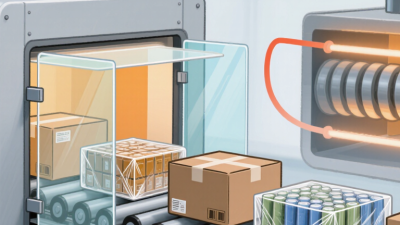
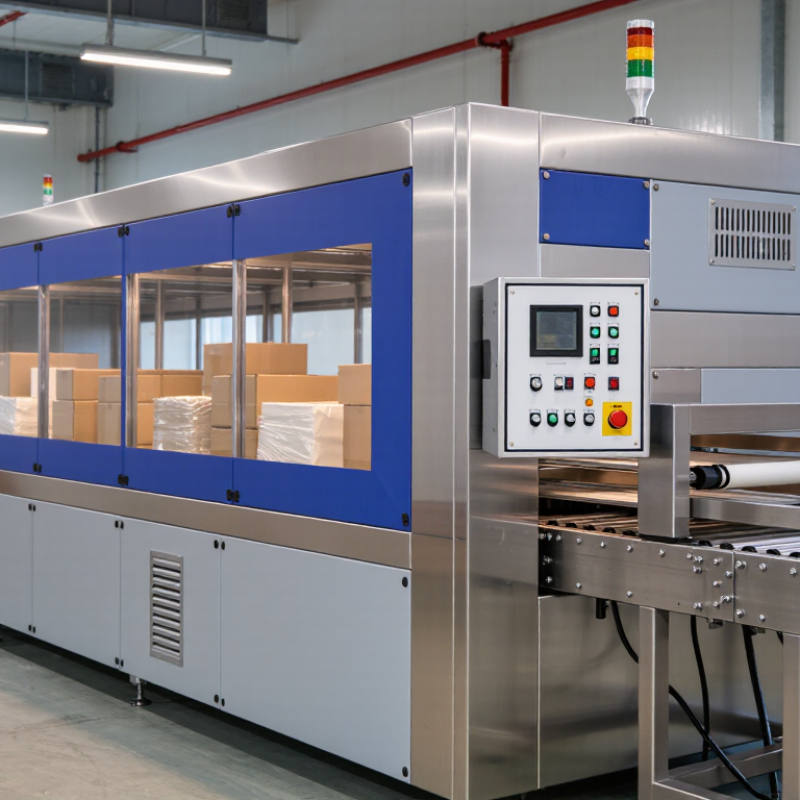
A China shrink tunnel machine is packaging equipment made in China that uses controlled heat to tighten plastic film around products. Packages pass through a heated chamber on a conveyor. The film contracts, forming a cleaner and more stable unit.
Common systems use hot air, temperature controllers, and adjustable conveyor speeds. Some models support polyolefin, PVC, or polyethylene film. Selection depends on package size, film thickness, line speed, and heat sensitivity. According to PMMI’s 2024 packaging industry reports, automation and labor efficiency remain major investment priorities for packaging operations. That matters. A suitable tunnel can reduce manual handling and improve seal consistency, but only when settings match the film.
Technical evaluation should include temperature uniformity, chamber insulation, conveyor loading, and power consumption. The Smithers report, The Future of Packaging Machinery to 2028, identifies energy efficiency and connected equipment as continuing machinery-development themes. Buyers should request factory test videos, electrical specifications, spare-part lists, and sample-pack results. Measuring actual shrink quality is better than trusting a catalog claim. In practical testing, wrinkles may appear when conveyor speed is too high or airflow is poorly balanced. Noise and heat around the operator area also deserve attention. Not always. A lower purchase price may create higher energy, maintenance, or downtime costs later.
What Is the Best China Shrink Tunnel Machine? - What Is a China Shrink Tunnel Machine?
| Machine Configuration |
Typical Film Compatibility |
Typical Tunnel Size |
Typical Temperature Range |
Typical Conveyor Load |
Best-Suited Application |
Key Selection Advantage |
| Compact tabletop tunnel |
PVC, POF, and selected PE shrink films |
Approximately 450–600 mm wide; 150–250 mm high |
About 80–220°C |
Usually up to 5–10 kg |
Small products, samples, short production runs, and retail packaging |
Low initial cost and small footprint |
| Continuous mesh-belt tunnel |
POF, PVC, PE, and other heat-shrinkable films subject to process testing |
Approximately 600–800 mm wide; 200–300 mm high |
About 80–250°C |
Usually 10–30 kg, depending on belt width and speed |
General-purpose packaging and medium-volume production |
Good balance between flexibility, throughput, and cost |
| Roller conveyor tunnel |
PE, PVC, POF, and heavier-duty shrink films |
Approximately 800–1,200 mm wide; 250–400 mm high |
About 80–250°C |
Commonly 30–80 kg, depending on roller design |
Large cartons, grouped products, and industrial packaging |
Higher load capacity and easier handling of rigid packages |
| High-speed circulation tunnel |
Mainly POF and other films validated for high-speed shrinking |
Approximately 600–1,000 mm wide; 200–350 mm high |
About 100–250°C |
Usually 10–40 kg |
High-volume food, consumer-goods, and multipack operations |
More uniform heat distribution and faster line speeds |
| Heavy-duty PE shrink tunnel |
PE film and thicker industrial shrink film |
Approximately 800–1,500 mm wide; 300–600 mm high |
About 100–250°C |
Commonly 50–150 kg, subject to conveyor design |
Building materials, furniture components, pallets, and bulky loads |
Handles large packages and demanding operating conditions |
| Stainless-steel hygienic tunnel |
POF, PVC, PE, and application-approved food-packaging films |
Approximately 600–1,000 mm wide; 200–400 mm high |
About 80–220°C |
Usually 10–50 kg |
Food, pharmaceutical, medical, and clean-production environments |
Easier cleaning and better corrosion resistance |
Note: The figures shown are typical industry ranges rather than universal specifications. Actual performance depends on product dimensions, film type and thickness, package orientation, tunnel length, conveyor speed, heating power, and local electrical standards.
How Does a China Shrink Tunnel Machine Work?
A China shrink tunnel machine uses controlled heat to tighten plastic film around a product. The operator first seals the film around the item. A conveyor then carries the wrapped package into the heated chamber. It is not magic. The film reacts to heat.
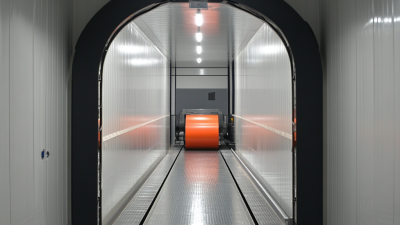
Inside the tunnel, electric heaters raise the air temperature. Fans circulate that air around every side of the package. This movement helps reduce cold spots and uneven shrinking. Conveyor speed controls exposure time. Temperature controls how strongly the film contracts. For example, a small boxed product may need moderate heat and a slower belt. A larger package may require longer exposure, but excessive heat can damage labels or soften the film.
Good machines usually include adjustable airflow, temperature controls, and emergency stopping devices. An operator should check film type, package spacing, and seal strength before production. In practical use, loose film often means insufficient heat or poor sealing. Wrinkles may indicate excessive film, uneven airflow, or an incorrect belt speed. I have found that small setting changes can affect appearance more than expected. A test run matters.
The tunnel should remain clean and properly ventilated. Dust on heating elements can create unstable performance. Operators also need training because hot surfaces and moving conveyors present real risks. Automatic controls improve consistency, but they do not replace inspection. Some packages still shrink unevenly, especially when their shapes are irregular. That limitation deserves attention before choosing production settings.
Which Types of Shrink Tunnel Machines Are Available?
Shrink tunnel machines differ mainly by their heating method, airflow design, and conveyor structure. Each type suits different packaging materials and production speeds.
Hot-air tunnels are widely used for plastic film packaging. They circulate heated air around the package, helping the film contract evenly. Adjustable airflow matters when products have corners or uneven shapes. Electric heating provides clean and controllable heat. It works well in workshops without steam equipment. However, electricity costs can rise during continuous operation.
Steam shrink tunnels use moist heat and can produce a smooth finish on many film types. They often reduce surface wrinkles on bottles, trays, and grouped containers. These systems need water treatment and regular drainage checks. Poor maintenance may create unstable steam pressure. Infrared tunnels heat the film directly, so they can be compact and responsive. They may suit smaller packages, but sensitive products need careful testing.
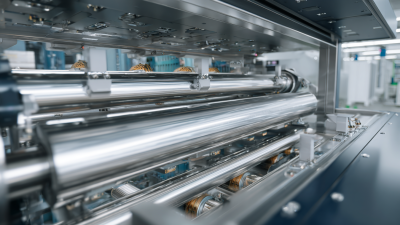
Conveyor design also changes the machine’s performance. Mesh conveyors support airflow from several directions. Solid conveyors can provide steadier support for unstable loads. I once assumed higher temperature meant faster shrinking. That was wrong. Dwell time, film thickness, package spacing, and airflow are equally important. A tunnel with adjustable speed and temperature usually offers safer trials. Operators should test sample packs at different settings and inspect sealed edges, wrinkles, and product deformation. Small adjustments often matter more than maximum heating power.
How to Evaluate Machine Quality, Capacity, and Energy Use
What is the best China shrink tunnel machine? The answer depends on measurable performance, not appearance or advertised speed. Check tunnel temperature stability at the film’s actual sealing range. A strong machine should maintain even heat across the chamber, without burnt corners or loose film. Ask for factory test records, insulation details, heater replacement data, and safety certifications. ISO 9001-based quality controls are useful, but they do not replace a live production trial.
Capacity must match your real packaging line. Compare packs per minute, package dimensions, conveyor loading, and changeover time. A tunnel rated at 30 packs per minute may produce less when products enter unevenly. Measure the complete cycle, including operator adjustments. PMMI’s 2024 State of the Industry report highlights efficiency and sustainability as continuing packaging investment priorities. That supports practical testing, not simply choosing the highest rated output.
Energy use needs closer attention. Record kilowatt-hours per hour and kilowatt-hours per 1,000 packages during a loaded trial. The U.S. Department of Energy reports that motor-driven systems can account for more than 70% of industrial electricity consumption, making conveyor motors and controls worth examining. Insulated chambers, automatic standby heating, variable-speed conveyors, and correctly sized heaters can reduce waste. Small details matter. A machine may consume less energy while idle, yet use more during unstable production. I would question any supplier offering only a single energy figure. It is incomplete. Packaging film, ambient temperature, package spacing, and operator habits can change the result significantly.
What Is the Best China Shrink Tunnel Machine?
The best shrink tunnel machine should balance shrink quality, production capacity, and energy efficiency. This benchmark uses normalized scores based on typical industrial operating ranges for temperature uniformity, rated throughput, and energy consumption per 1,000 packages.
Compact machines are suitable for smaller production lines and usually consume less total power. Standard machines provide the best balance for most factories, while high-output models deliver greater capacity but require stronger electrical infrastructure and careful energy management. Before purchasing, verify film compatibility, conveyor speed, temperature stability, and actual energy use under full load.
What Factors Determine the Best Machine for Your Application
What Is the Best China Shrink Tunnel Machine?
The best China shrink tunnel machine depends on your product, film, and production rhythm. A tunnel for bottled drinks needs different airflow than one for cartons. Measure the largest package first. Leave enough clearance for uneven loads. Conveyor width, tunnel length, and heating zones directly affect throughput and film appearance.
Smithers projects the global packaging market to approach 1.3 trillion US dollars by 2028. This growth increases pressure to reduce waste, energy use, and rework. PMMI’s 2024 industry research also highlights labor availability and operational efficiency as key automation drivers. Therefore, inspect the machine’s temperature control, conveyor stability, and changeover time. Check whether it supports PE, PVC, or polyolefin film. A machine may advertise high speed, yet poor airflow can create wrinkles and weak seals. That claim deserves testing.
Tips: Request a sample trial using your real product, film, and target speed. Record tunnel temperature, package quality, power consumption, and rejected units. Ask for maintenance access around heaters, fans, sensors, and belts. Confirm electrical standards, spare-part availability, operator training, and remote technical support. Energy labels help, but they do not replace measured results. I would also test the machine after continuous operation. Short trials can hide heat drift. A perfect machine rarely exists. The practical choice is the one that remains stable on your busiest shift.
Sources: Smithers, The Future of Packaging to 2028; PMMI, 2024 State of the Industry Report.