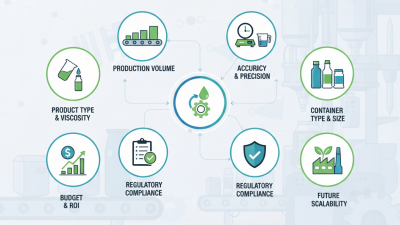
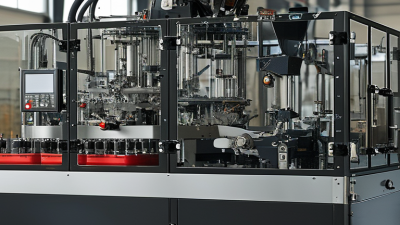
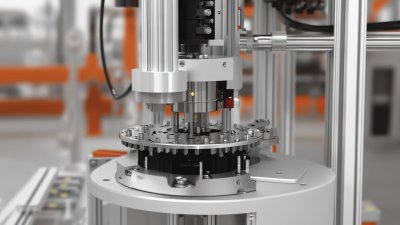
Choosing top Bottling Machine manufacturers in China requires more than comparing online prices. A dependable supplier should understand your product, container shape, filling accuracy, and planned production speed. Water, juice, oil, and viscous sauces need different filling systems. Ask for a clear technical proposal, including pump type, nozzle design, control system, and expected output. Small details matter. A poorly matched nozzle can cause dripping, foam, or inconsistent fill levels.
Practical experience should guide the evaluation. Request videos of similar machines running, but do not rely on videos alone. Visit the factory, inspect welding quality, and observe how electrical cabinets are assembled. Speak with recent customers about installation, spare parts, response times, and long-term reliability. A professional manufacturer should provide drawings, testing records, manuals, and a realistic delivery schedule. Independent certifications can support credibility, although certificates must match the actual model and manufacturing site. This point is often overlooked.
Check whether the supplier performs factory acceptance testing before shipment. Measure filling accuracy with your own bottles and product, when possible. Confirm cleaning procedures, changeover time, warranty terms, and remote troubleshooting arrangements. Transparent communication is a strong signal. So is admitting a limitation.
The lowest quotation may hide weak components, limited service, or expensive modifications. A more reliable decision balances machine performance, total ownership cost, documentation, and supplier accountability. China offers many capable manufacturers, but quality varies between factories and even between product lines. Careful verification turns a promising quotation into a defensible purchasing decision. That is the real starting point.
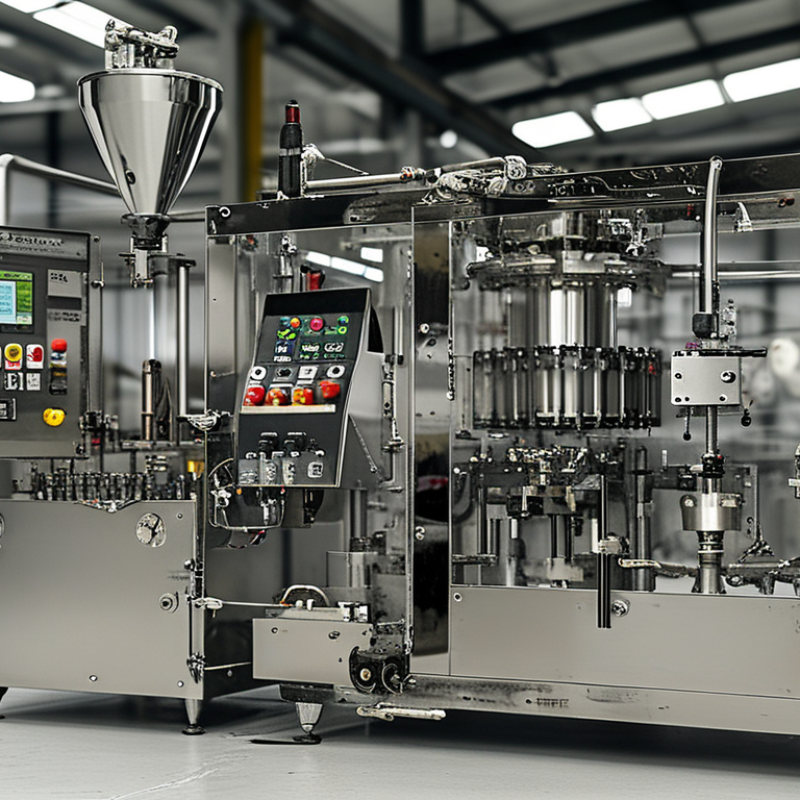
Choosing a bottling machine manufacturer in China starts with defining your actual production requirements. Record bottle volume, container material, liquid viscosity, filling accuracy, cap type, and expected hourly output. Measure the real flow. Do not guess.
Your production goal should include today’s demand and realistic growth. A machine rated for 10,000 bottles per hour may perform differently with thick liquid, narrow necks, or frequent size changes. Decide whether you need manual adjustment, servo control, automatic rinsing, or an integrated capping and labeling line.
Leave space for maintenance access, conveyors, air supply, water, and electrical connections. A crowded layout creates avoidable delays.
When comparing manufacturers, ask for a test using your liquid and containers. Request measured results, not only catalog figures. Check filling tolerance, changeover time, cleaning procedures, noise levels, and rejected bottles. Review technical drawings, component specifications, installation support, operator training, spare-parts availability, and warranty terms. Factory audits or live video inspections can reveal assembly quality and testing habits. Ask how problems are documented and corrected after delivery. That answer matters.
A detailed requirement sheet also exposes weak assumptions. For example, I may plan for peak demand but ignore seasonal downtime or limited operator skills. Reconsider the numbers. A reliable manufacturer should challenge unrealistic targets, explain trade-offs clearly, and provide a validation plan before production begins. Test records, acceptance criteria, and written responsibilities make the purchase easier to control.
China’s bottling machine sector includes several manufacturer types. Knowing these differences makes supplier research more practical. Turnkey manufacturers design complete lines, including rinsing, filling, capping, labeling, and conveyor systems. They suit factories seeking one coordinated installation. However, their broader scope may reduce customization for unusual bottles or sensitive products.
Specialized manufacturers focus on specific filling technologies. Some build machines for low-viscosity liquids, while others handle sauces, creams, powders, or carbonated beverages.
Aseptic and hygienic equipment makers usually emphasize cleanable contact parts, controlled filling areas, and documented validation procedures.
Custom OEM and ODM manufacturers develop equipment around bottle dimensions, production speed, and floor layout. They can be flexible, but technical communication must be precise.
Ask each manufacturer for drawings, test videos, component specifications, and recent customer references. Request a factory visit when possible. Observe welding quality, electrical cabinet organization, spare-parts storage, and machine testing. A reliable supplier should explain filling accuracy, changeover time, cleaning procedures, and service response clearly. Check whether the proposed machine matches your actual product, not only a sample liquid. This is often overlooked. No checklist is perfect. My own assessment would include a pilot test, because attractive brochures cannot reveal every problem during daily production.
Choosing a top bottling machine manufacturer in China requires more than comparing prices. Examine its experience with your product type, container shape, filling speed, and production volume. Ask for project records from similar factories. A manufacturer with years of practical installations usually understands unstable foam, sticky liquids, and frequent format changes.
Quality should be visible in the details. Inspect stainless-steel welds, seals, control panels, and conveyor alignment. Request material certificates, factory test records, and a clear quality inspection process. Reliable suppliers explain how they test filling accuracy, cleaning performance, and machine endurance. A polished showroom can mislead. Review real machine videos and speak with existing customers when possible.
Tips: Ask for a sample filling test using your actual product and bottles. Check whether engineers can adjust pumps, sensors, and software during testing. Confirm response times, spare-parts availability, training, and installation support. Technical capability matters when production conditions change. The supplier should provide drawings, manuals, electrical details, and a practical maintenance schedule. Do not accept vague promises. Require measurable data, such as filling tolerance, output per hour, changeover time, and expected service life. Small oversights may become expensive. A factory visit can reveal organization, testing habits, and whether technicians solve problems calmly. Even experienced manufacturers may need improvement, so discuss limitations openly before signing.
Choosing a bottling machine manufacturer in China requires more than comparing quotations. Certifications provide the first filter. The ISO Survey 2023 recorded over 1.2 million ISO 9001 certificates worldwide, showing its broad quality value. Ask for a current certificate, production records, and traceable inspection reports. For food or beverage lines, request material declarations and applicable safety documentation. A certificate alone proves little.
Customization should match your bottle neck, cap type, liquid viscosity, and target speed. PMMI’s 2023 State of the Industry report valued U.S. packaging machinery shipments at about 10.2 billion dollars in 2022. This reflects strong demand for automated, adaptable equipment. Request a factory test using your actual bottles. Check filling accuracy, changeover time, cleaning access, and rejected containers. Small details matter. I have seen attractive specifications fail during format changes.
Pricing needs a total-cost comparison, not a low headline number. Include installation, training, shipping, spare parts, software, and future upgrades. Ask how many operators the line needs. Labor savings can change the calculation quickly. After-sales support deserves equal attention. Require written response times, remote diagnostics, local service options, and a spare-parts list. A 24-hour promise sounds useful, but only when parts are available. Review sample service records and customer references. Some buyers overlook this step, and that is an expensive mistake. Recheck every assumption before signing.
A factory audit shows more than polished website photos. Check the production floor, testing area, inventory, and quality records. Ask to see machines under assembly, not only completed units. Review welding quality, electrical wiring, component labels, and safety guards. Speak with the engineering manager about your bottle size, filling accuracy, and expected output. Specific answers matter.
Request a working sample before placing a large order. Use your own bottles, caps, liquid, and labels during testing. Record speed, filling tolerance, changeover time, cleaning steps, and rejected units. Film the trial when possible. A sample may perform well for one hour, yet fail during longer operation. That risk is easy to overlook. Ask for test data, drawings, manuals, and a spare-parts list.
Put every important promise into the contract. Define materials, inspection standards, delivery dates, warranty coverage, training, installation, and response times. Include payment milestones linked to factory acceptance testing. Describe what happens if the machine misses agreed performance. Do not accept vague phrases such as “high quality” or “fast delivery.” Contracts need measurable details. I would also review the final document with a technical adviser, because small omissions can become expensive disputes. Suppliers may resist strict terms. That response itself provides useful information.
Headquarters
2980 Scott St, Vista, CA 92081
Phone: (760) 734-4177
Fax: (760) 734-4188
Open: 8:00 am – 4:30 pm
Texas
8051 Jetstar Dr #175 Irving, TX 75063
Phone: (972) 915-6888
Fax: (972) 915-6999
Open: 8:00 am – 4:30 pm
Florida
14231 Jetport Loop. #1 Fort Myers, FL 33913
Phone: (239) 225-4020
Fax: (239) 225-4024
Open: 8:00 am – 4:30 pm