Top Bottle Labeler Manufacturers in China

Choosing a Bottle Labeler is not a minor equipment decision. It affects line speed, label placement, changeover time, and the finished bottle’s appearance. For Chinese manufacturers, those details matter across food, beverage, cosmetics, and pharmaceutical packaging. A label that wrinkles around a curved shoulder can undermine an otherwise clean production run.

Industry data points to a substantial equipment market. Grand View Research estimated the global labeling equipment market at approximately USD 3.21 billion in 2022 and projected a 4.4% compound annual growth rate from 2023 to 2030. Such forecasts are useful context, not a guarantee of demand for any individual machine. Buyers still need to check application fit, service access, and performance with their own containers. A glossy product video cannot replace a bottle trial.

A reliable comparison should examine round, square, and tapered bottle handling; adhesive compatibility; sensor accuracy; and realistic operating speeds. Ask manufacturers for sample-run results and clear changeover instructions. Small details matter.

No source material was provided for a verifiable quotation from a named Bottle Labeler expert, so this introduction avoids inventing one. That omission is intentional: expert opinions should be traceable to interviews, reports, or published statements. The guide that follows compares leading Chinese manufacturers through practical criteria, including machine configuration, customization, quality documentation, and after-sales support. A low purchase price may look attractive, but downtime and inconsistent placement can cost more over time. The best choice is the machine proven on your bottle, label, and production line.
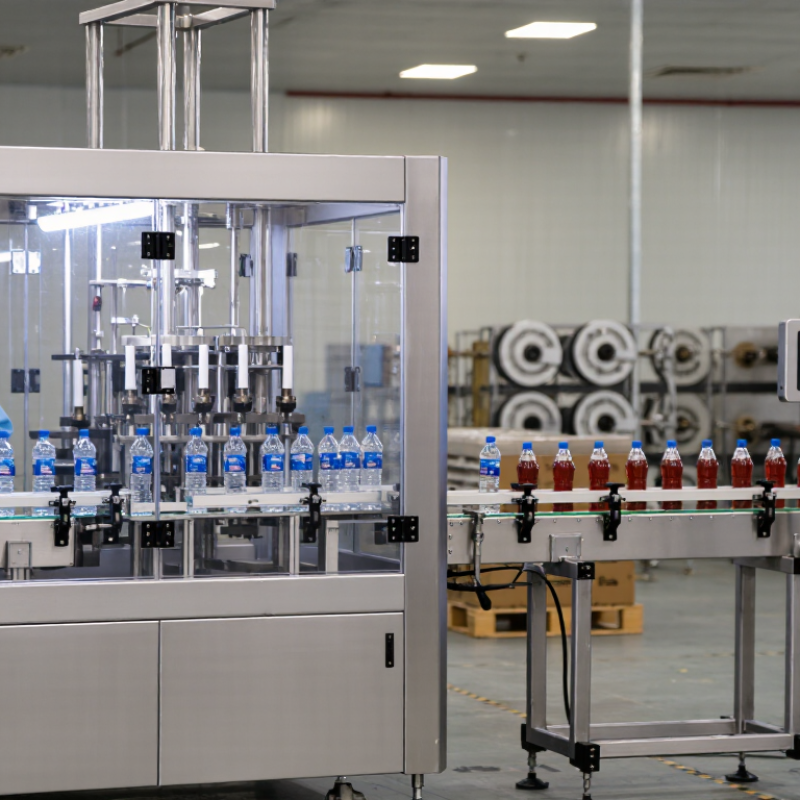
Top Bottle Labeler Manufacturers in China

Bottle Labeling in China: Machine Types and Typical 100–600 BPM Line Speeds

Bottle labeling lines in China are commonly configured around container shape, label material, and required output. For round bottles, wraparound machines apply one label while containers rotate against a belt or roller. Flat and oval bottles often use front-and-back applicators, with guides keeping each container aligned. Setup matters.

For mixed bottle shapes, operators may choose pressure-sensitive labeling, which applies pre-cut labels from a backing web. Shrink-sleeve machines cover more of the container, but need a sleeve applicator and heat-shrink tunnel. A changeover can involve adjusting rails, sensors, and label position. It takes real time.

Typical line speeds range from about 100 to 600 bottles per minute, but the upper end suits stable containers and carefully matched equipment. A small line handling irregular bottles may run closer to 100–200 BPM. Well-controlled round bottles can reach 300–600 BPM with suitable feeding and inspection systems. These figures describe practical configurations, not guaranteed output. Label size, bottle spacing, adhesive behavior, and downstream packing can reduce actual throughput. A line that runs fast in a factory test may slow down with wet, lightweight, or slightly warped bottles. Real bottles vary. Request a trial using production containers and labels before finalizing a speed target.
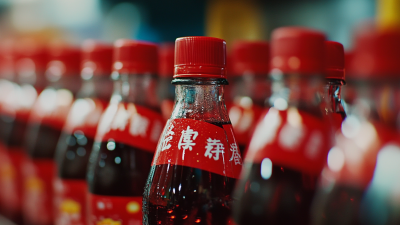
Bottle Labeling in China: Machine Types and Typical Line Speeds

Indicative production-speed ranges for common bottle labeling machine types

Speeds are broad planning ranges, not guarantees. Actual output depends on bottle shape, label size and placement, product handling, and line integration.

Pressure-Sensitive, Shrink-Sleeve, and Roll-Fed Labeling Technologies

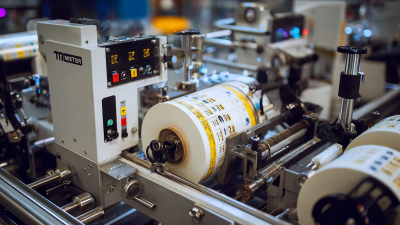
Bottle labeling equipment is not a one-size-fits-all purchase. Pressure-sensitive labelers use pre-coated labels and peel plates to apply labels without a heat tunnel. They suit frequent product changes and bottles with flat or gently curved surfaces. A wipe-down roller helps smooth edges and reduce trapped air. Small details matter: bottle spacing, label roll tension, and sensor placement can all affect consistency. Fast changeovers are useful, but only when operators can repeat them reliably.

Shrink-sleeve systems place a printed film tube over each container, then use controlled heat to make it conform. They can cover complex shapes, including tapered shoulders and recessed panels. Ask manufacturers how they control sleeve registration and tunnel temperature. Excess heat may distort containers, while uneven heating can leave wrinkles. It sounds simple. It isn’t always. Bottle material, line speed, and sleeve film must be tested together.

Roll-fed labelers unwind continuous film, cut individual labels, and apply them with adhesive. They are often considered for high-volume runs of round bottles, where consistent wrap placement is important. During supplier evaluations, request trials using your actual bottles, labels, and target speed. Check how quickly the machine adjusts between container sizes, and ask about spare parts and operator training. A neat demonstration is helpful, but it may not reveal every production issue. That is worth remembering.

How to Compare Manufacturers by Labeling Accuracy, Throughput, and Changeover Time

When comparing bottle labeler manufacturers in China, request a witnessed trial using your exact bottle, label stock, and adhesive. Measure misapplied labels across 1,000 bottles, then check barcode quality using GS1 guidance and ISO/IEC 15416 grading. Record speed only after the line runs steadily; a short peak-rate demonstration can hide jams, skew, or rejected bottles. Compare sustained bottles per minute, not the headline maximum.

Time changeover from the last good bottle on one format to the first acceptable bottle on the next. Include label-roll replacement, guide adjustment, recipe loading, and cleanup. MHI’s 2024 Annual Industry Report found that 55% of respondents planned greater investment in supply-chain technology and innovation, making measurable equipment trials especially relevant. A messy first trial can be useful; it may reveal what a polished demonstration misses.

Tips: Ask suppliers to repeat the same changeover three times and provide the times and error counts. Compare the results, not just the best attempt. Also check whether operators can make adjustments without special tools. That detail is easy to overlook.

Top Bottle Labeler Manufacturers in China - How to Compare Manufacturers by Labeling Accuracy, Throughput, and Changeover Time
Comparison dimension Metric and unit How to measure consistently What to request from each manufacturer
Label placement accuracy Placement error, in millimetres (mm); correctly labeled bottles, as a percentage of inspected bottles Measure label position against agreed reference points on the bottle. Record the sample size, average error, largest error, and number of labels outside the agreed tolerance. A test report using the buyer’s bottle and label, with the measurement method, tolerance, sample size, and results stated.
Label application quality Count or percentage of defects, such as wrinkles, bubbles, skew, lifting edges, or incorrect label position Inspect bottles after labeling under agreed lighting and inspection conditions. Use the same defect definitions and acceptance criteria for all machines. Video or test records showing the full inspection run, including any rejected bottles and the reason for rejection.
Throughput Bottles per minute (bpm) or bottles per hour Count acceptable, labeled bottles produced during a timed run. State whether the figure is a rated maximum or a sustained result, and account for stoppages and rejects consistently. A sustained-run result using the specified bottle, label, and production settings, together with the run duration and number of acceptable bottles.
Changeover time Minutes from the last acceptable bottle of one format to the first acceptable bottle of the next format Time the complete changeover, including adjustments and trial bottles. Define which tasks are included and whether tools or pre-set change parts are required. A witnessed changeover between the buyer’s specified bottle and label formats, with a task list, elapsed time, and number of trial bottles.
Repeatability across runs Variation in placement error and defect rate across repeated test runs Repeat the same test under the same agreed conditions. Compare the recorded placement measurements and defect counts between runs. Results from multiple runs, with bottle and label specifications, machine settings, and any adjustments documented.
Test conditions and comparability Bottle material, shape and dimensions; label material and dimensions; label position; line configuration Use the same product and test conditions for every machine being compared. Results from different bottle or label specifications may not be directly comparable. A written test protocol listing the sample materials, machine configuration, operator involvement, inspection method, and acceptance criteria.
Evidence and reporting Availability of test records, measurement data, and run footage Check that reported results can be traced to a specific test and that measurement units, sample counts, and test conditions are included. Dated test sheets and supporting video or measurement records for accuracy, throughput, and changeover tests.

Top Bottle Labeler Manufacturers in China: Product Ranges and Specialties

Top Bottle Labeler Manufacturers in China: Product Ranges and Specialties

Chinese bottle-labeler manufacturers offer tabletop, inline, and rotary systems for different production scales. Common configurations apply wraparound, front-and-back, or neck labels to round, square, and tapered bottles. Some suppliers specialize in compact machines for short runs; others build high-speed lines with automatic feeding, vision inspection, and change parts for multiple bottle sizes. Grand View Research estimated the global labeling machine market at USD 3.04 billion in 2022 and projected 4.8% annual growth from 2023 to 2030. That growth points to wider demand, but it does not guarantee a machine will suit every factory.

Specialties often show up in the details: label-roll capacity, sensor accuracy, conveyor stability, and how quickly operators can reset a format. Sleeve-label systems fit full-body designs, while pressure-sensitive machines handle flexible label shapes and quick changeovers. Ask for a live trial using your actual bottle and label stock. A glossy demo bottle proves little. I’d also request sustained-speed results; advertised maximum speed can be difficult to maintain on a real line.

Tips: Confirm bottle dimensions, label material, and target output before comparing quotes. Ask for changeover time, reject handling, and local service response in writing. Leave room for uncertainty: actual performance can shift with label adhesive, bottle condensation, and operator experience.

How to Select a Labeler for Bottle Shape, Label Format, and Production Speed

Choosing among bottle labeler manufacturers in China starts with the bottle, not the machine’s advertised speed. A round glass bottle usually needs a wraparound label and steady rotation. Flat-sided containers may need front-and-back labeling with accurate panel alignment. For tapered or unusually shaped bottles, ask how the machine controls spacing and pressure. Fit matters. Request a trial using your actual bottles and labels; a sample that looks fine by hand may wrinkle at line speed.

Label format affects setup and changeovers. Self-adhesive labels are common, but roll direction, gap size, and label material can alter feeding performance. Check whether operators can adjust guides and sensors without specialized tools. Small details count. A specification sheet can still miss a stubborn label edge or a bottle that wobbles on the conveyor.

Production speed should match your real output, not just a supplier’s maximum figure. Ask for a demonstrated rate using your container, label, and inspection process. Include time for loading, routine adjustment, and reject removal. A fast machine that needs frequent pauses may reduce actual throughput. Compare changeover time, available floor space, and service support alongside bottles per minute. The trade-off is not always obvious; leave room for testing before settling on a configuration.

Shopping cart