Why Choose a Bottling Machine for Your Business?
Choosing a Bottling Machine is a practical decision about consistency, labor, product protection, and future growth. A suitable system can fill each bottle accurately, cap it securely, and reduce spills around the production line. Operators gain a steadier workflow. Customers receive a more uniform product.
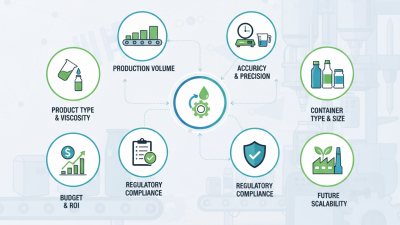
Volker Kronseder, former CEO of Krones, has often expressed a similar industry principle: “The best machine is the one that fits the process, not the one with the longest feature list.” This idea matters when comparing filling speed, container shape, liquid viscosity, cleaning requirements, and available floor space. A small beverage producer may need a compact semi-automatic unit. A growing factory may require automated rinsing, filling, capping, labeling, and inspection.
The details become visible quickly. A poorly matched machine may foam carbonated drinks, drip during changeovers, or leave operators waiting beside a conveyor. That wastes product and time. A well-designed Bottling Machine can maintain stable output while supporting safer handling and more repeatable quality checks. It may also record production data, helping managers identify underfilling or unexpected downtime.
The choice is not always obvious. Faster is not automatically better. A high-speed system can create unnecessary complexity for a small team. Maintenance skill, spare-part access, energy use, and sanitation support deserve equal attention. Business owners should test real bottles and liquids before purchasing. Specifications look impressive on paper. Factory conditions are less forgiving.
What Is a Bottling Machine? Types, Functions, and Core Components
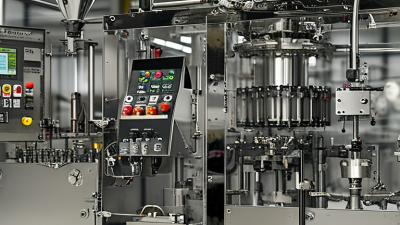
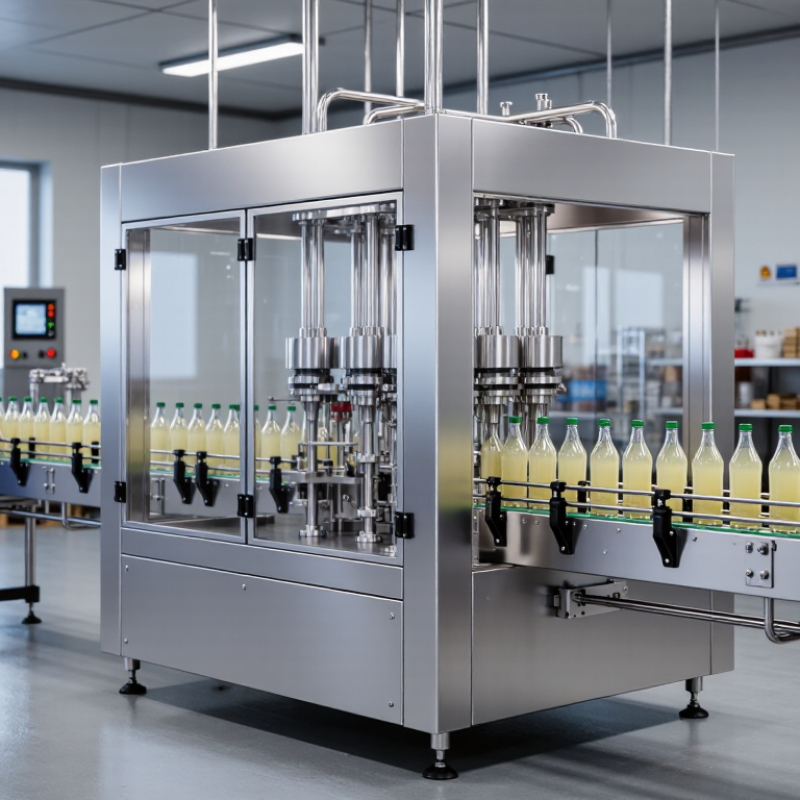
A bottling machine fills, caps, and prepares liquid products for distribution. In a small beverage plant, it can replace uneven hand filling with controlled, repeatable production. Operators commonly choose machines for water, juice, sauces, oils, and other permitted liquids. The right choice depends on viscosity, container shape, production speed, and cleaning requirements.
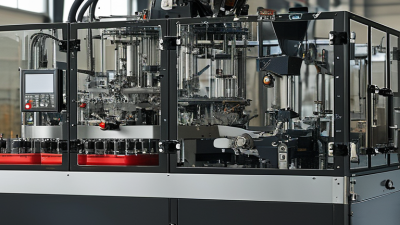
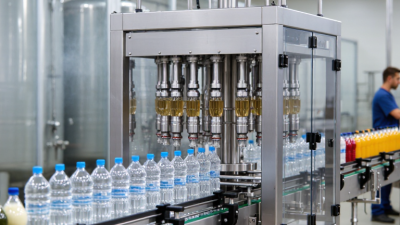
Common types include gravity fillers, pump fillers, pressure fillers, and overflow fillers. Gravity models suit free-flowing liquids, while pump systems handle thicker products more accurately. Overflow fillers create a consistent visual level in transparent bottles. A complete line may also include rinsing, capping, labeling, and date-coding units. Its core components usually include a product tank, filling valves, conveyor, sensors, control panel, cap feeder, and protective guards.
During setup, I have found that a fast machine is not always the best machine. A narrow conveyor can cause bottle jams, especially when containers arrive slightly tilted. Cleaning access matters too. Small liquid residues can collect around valves and become difficult to remove. Operators should check fill accuracy, changeover time, noise, spare-part access, and safety controls before purchase. Testing with the actual liquid and bottle is essential. A machine may perform well with water but struggle with syrup. That mistake is easy to make. Steam, foam, temperature changes, and uneven bottle walls can also affect results, so production trials should include realistic working conditions.
Why Choose a Bottling Machine for Your Business?
Typical production capacity by bottling machine type
Bottling machines automate bottle filling, capping, and product handling. Manual and semi-automatic systems suit smaller operations, while automatic and rotary systems provide much higher throughput for growing production lines. Actual performance depends on the product viscosity, bottle size, filling method, and machine configuration.
Data shown are representative industry throughput ranges measured in bottles per hour; actual capacity varies by application and equipment setup.
How Production Volume Shapes Capacity: From 30 to 600 Bottles per Minute
Why Choose a Bottling Machine for Your Business?
Production volume should guide your bottling machine choice, not impressive specifications alone. A 30-bottle-per-minute system may suit a small beverage operation, seasonal product, or frequent recipe changes. It usually needs less floor space and allows operators to monitor each bottle closely. At this speed, manual loading and short cleaning cycles can remain practical.
Growing facilities may require 120 to 300 bottles per minute. These systems support steadier orders while preserving flexibility for different container sizes. However, speed depends on the liquid’s viscosity, bottle shape, cap type, and filling accuracy. A thick syrup cannot move like filtered water. Small adjustments can affect the entire line.
High-volume production may reach 600 bottles per minute, producing 36,000 bottles per hour under ideal conditions. Real output is often lower. Changeovers, bottle jams, sanitation, and rejected containers reduce that number. This gap matters when calculating labor, storage, and delivery commitments. In production planning, I have seen companies overestimate capacity by ignoring short stoppages. That mistake is easy to repeat. A reliable assessment should examine hourly demand, peak seasons, available operators, maintenance access, and future product changes before selecting equipment.
Why HACCP’s 7 Principles and ISO 22000 Matter in Bottling Operations
Why Choose a Bottling Machine for Your Business?
A bottling machine can make food safety controls more consistent. It manages filling volumes, cap placement, and container handling with fewer manual variations. However, automation does not remove responsibility. A poorly cleaned nozzle can still contaminate an entire production run.
HACCP’s seven principles provide a practical control structure. Teams begin with hazard analysis, then identify critical control points. They set measurable limits, such as filling temperature or sanitation time. Operators monitor these limits during production, not only during audits. If a limit fails, corrective action must isolate affected products and identify the cause. Verification checks whether the system works. Accurate records support every decision.
ISO 22000 strengthens this approach by connecting HACCP with prerequisite programs, communication, and continual improvement. A bottling line should support hygienic design, controlled cleaning, traceability, and staff training. For example, workers may inspect seals, review calibration results, and record cleaning chemicals before each shift. These details matter when investigating a leaking cap or unusual taste.
The process is not perfect.
A checklist may be signed too quickly. A sensor may drift between calibrations. Management should question comfortable routines and review near misses without hiding them. Reliable bottling operations depend on evidence, disciplined habits, and people willing to stop the line when a control becomes uncertain.
How Automation Improves OEE Beyond the 85% World-Class Benchmark
Why Choose a Bottling Machine for Your Business?
An automated bottling machine can push OEE beyond the 85% world-class benchmark. OEE Foundation guidance defines this benchmark through availability, performance, and quality. In practice, small losses often decide the result. A loose cap, a starved conveyor, or a three-minute sensor reset can reduce a strong shift quickly. Digital counters record each stop. Operators can then separate long breakdowns from hidden microstops.
The gains are measurable. Deloitte’s 2023 Smart Manufacturing and Operations Survey found that 86% of manufacturers expect smart manufacturing to become a primary competitiveness driver within five years. Automated filling and capping systems support this shift with controlled speeds, repeatable dosing, and real-time fault alerts. They also reduce manual checks around cap torque and fill levels. Less variation usually means fewer rejected bottles.
But automation is not a magic switch.
A machine may reach 90% OEE during a stable product run, then fall below 80% after a rushed changeover. The equipment needs proper line balancing, preventive maintenance, and trained operators. Data must also be reviewed honestly. Some plants record downtime inconsistently, which can make OEE look better than reality. A reliable bottling strategy combines machine precision with human judgment, especially when foam, viscosity, bottle shape, or cleaning requirements change.
How to Compare Costs, Labor Savings, Flexibility, and Payback Period
Why Choose a Bottling Machine for Your Business?
How to Compare Costs, Labor Savings, Flexibility, and Payback Period
A bottling machine should be judged by total operating cost, not purchase price alone. Include installation, training, maintenance, utilities, spare parts, and packaging waste. Labor is visible. Downtime is not. A practical estimate records current filling time, staff hours, hourly wages, and average daily output. Then compare those figures with the machine’s expected capacity under real production conditions.
Labor savings often appear during repetitive tasks, such as filling, capping, and transferring containers. However, one operator may still need to load materials, inspect seals, and clean contact parts. Reduced staffing does not always mean zero staffing. Ask for a production trial using your container size, liquid viscosity, and target fill volume. Changeover time matters too. A machine that runs quickly but takes forty minutes to adjust may limit flexibility.
Payback can be calculated by dividing the installed cost by monthly net savings. Net savings should include labor reduction, lower product loss, and improved output, minus maintenance and operating expenses. The result is only an estimate. Payback can move. Seasonal demand, rejected containers, and unexpected repairs can change the timeline. I have seen projections overlook cleaning labor and spare-part delays. That mistake makes an attractive investment look safer than it is. A reliable comparison tests several production volumes and leaves room for slower months.
Why Choose a Bottling Machine for Your Business? — Comparing Costs, Labor Savings, Flexibility, and Payback Period
| Evaluation Dimension |
Manual Filling and Capping |
Semi-Automatic Bottling Machine |
Automatic Bottling Line |
| Typical Initial Equipment Cost |
$8,000 |
$45,000 |
$180,000 |
| Typical Production Rate |
Up to 300 bottles/hour |
Up to 1,200 bottles/hour |
Up to 4,000 bottles/hour |
| Recommended Direct Labor |
3 operators |
2 operators |
1 operator |
| Assumed Labor Rate |
$18/hour per operator |
$18/hour per operator |
$18/hour per operator |
| Annual Operating Hours |
2,000 hours |
2,000 hours |
2,000 hours |
| Estimated Annual Labor Cost |
$108,000 |
$72,000 |
$36,000 |
| Annual Labor Savings vs. Manual |
— |
$36,000 |
$72,000 |
| Estimated Annual Production Capacity |
600,000 bottles |
2,400,000 bottles |
8,000,000 bottles |
| Bottle-Size Flexibility |
Very high; manual adjustment |
High; change parts and settings required |
Medium to high; format parts and programming required |
| Typical Changeover Time |
5–15 minutes |
15–30 minutes |
30–90 minutes |
| Filling Consistency |
Operator-dependent |
Generally consistent |
Highly consistent when calibrated |
| Space Requirement |
Low |
Low to medium |
Medium to high |
| Training Requirement |
Low |
Moderate |
Moderate to high |
| Incremental Investment vs. Manual |
— |
$37,000 |
$172,000 |
| Estimated Simple Payback Period |
— |
Approximately 1.0 year |
Approximately 2.4 years |
| Best Fit for Business Stage |
Small batches, testing, seasonal production, and highly customized products |
Growing businesses seeking labor savings and improved throughput |
High-volume operations with stable demand and standardized products |