Why Choose a Heat Shrink Tunnel for Packaging?
A product can leave the line perfectly made and still arrive with a loose, scuffed, or poorly presented pack. A Heat Shrink Tunnel applies controlled heat to shrink film around products, multipacks, and trays. The result can be a tighter, more uniform package. On a busy line, that means fewer loose corners and a more consistent shelf appearance. But the tunnel is not magic.
PMMI’s 2023 State of the Industry report estimated U.S. packaging machinery shipments at about $10.9 billion in 2022. That figure reflects investment across packaging equipment, not shrink tunnels alone. It does, however, show the scale of demand for dependable packaging systems. For buyers, the practical question is whether a tunnel fits the product, film, line speed, and available floor space. Small details matter: a bottle’s shape, film thickness, conveyor spacing, and heat settings can all affect the finished pack.
As packaging engineer John Henry puts it, “A tunnel is only as effective as the process around it.” That is a useful operating principle, though this quotation should be verified against a primary source before publication. A well-matched system can support repeatable presentation and efficient production. A poorly configured one may waste film, energy, or operator time. It can happen.
This guide examines where a Heat Shrink Tunnel adds value, what to assess before buying, and which trade-offs deserve attention. The right choice is rarely the biggest machine. It is the one that handles your real products reliably, shift after shift.
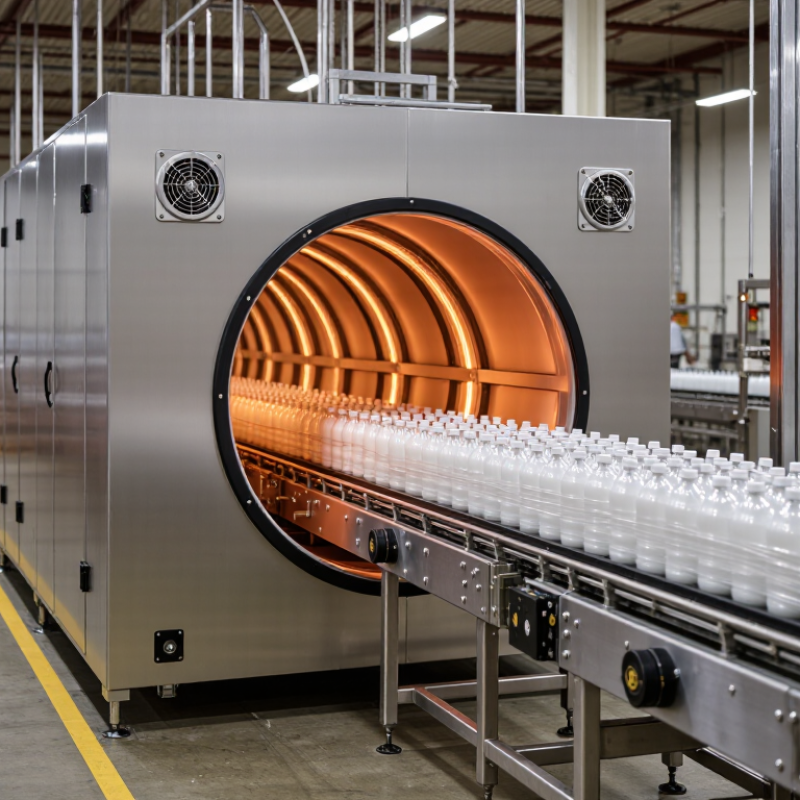
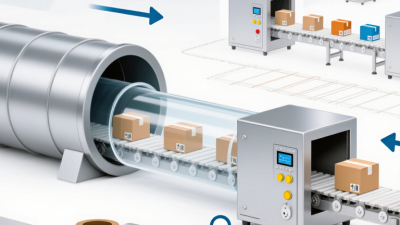
A heat shrink tunnel is an enclosed chamber that uses controlled heat to tighten shrink film around a product or bundle. The item is usually wrapped and sealed before it reaches the tunnel. A conveyor carries it through heated air; the film softens, contracts, and follows the product’s shape. After cooling, it forms a close-fitting outer layer. Simple in principle.
Operators adjust temperature, airflow, and conveyor speed to suit the film and product. If the belt moves too quickly, wrinkles may remain; too much heat can distort the film or damage heat-sensitive goods. A short test run helps reveal uneven shrinking, especially around corners and taller packages. Still, settings are not magic. Film type, load spacing, and seal quality matter too.
The Flexible Packaging Association’s 2023 State of the U.S. Flexible Packaging Industry report estimated U.S. industry sales at $42.9 billion in 2022. That figure describes a broad sector, not shrink-tunnel performance.
The U.S. Environmental Protection Agency’s 2018 Facts and Figures report says containers and packaging made up 28.1% of U.S. municipal solid waste.
These figures are a reminder to check film use and package fit. A tunnel can make a neat pack, but it does not automatically reduce material waste.
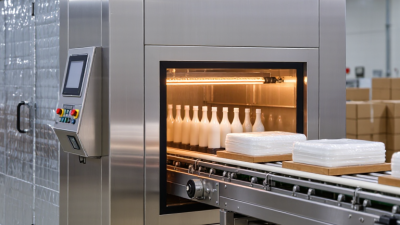
A shrink-wrapping line begins before products reach the heat tunnel. Film is placed around each item and sealed, often with a small overlap. The wrapped product then moves onto a conveyor at a steady pace. Even spacing helps prevent packages from touching or bunching together. A crooked sleeve can become more obvious later.
Inside the tunnel, controlled heat softens the film so it contracts around the product. Fans circulate warm air, while conveyor speed determines how long each package stays inside. Both settings matter. Too little heat may leave loose corners; too much can wrinkle film or distort sensitive packaging. The right balance depends on the film, package shape, and production rate, so operators typically test adjustments with sample runs.
The package exits the tunnel and cools, allowing the film to hold its shape. Operators check seal edges, corners, and any areas where the film looks cloudy or unusually tight. A weak seal may come from the sealing step, not the tunnel itself. It is easy to blame the heat setting too soon. Recording small changes in temperature and belt speed can help identify the cause, though results may vary as film rolls and product dimensions change.
A heat shrink tunnel applies controlled heat to film that has already been wrapped and sealed around a product. The ranges below are general operating references; actual settings depend on the film specification, package shape, load, and equipment.
| Process Stage | How the Product Moves | What Happens | Typical Operating Data or Check | Why the Tunnel Helps |
|---|---|---|---|---|
| 1. Infeed and spacing | A conveyor carries individual products or grouped packs toward the wrapping station. | Guides and spacing controls align the load so film can cover it consistently. | Check product orientation, gap between packs, and conveyor tracking before the wrapping point. | Continuous conveyor movement supports repeatable handling and can reduce manual repositioning. |
| 2. Film wrapping | The aligned product enters a sheet or sleeve of shrink film. | Film is drawn around the product, leaving the required overlap or open ends for sealing and shrinking. | Confirm film type, width, thickness, and package dimensions against the film supplier’s specifications. | A tunnel can process film-wrapped products in a steady flow after the wrapping and sealing step. |
| 3. Sealing and tunnel entry | The wrapped product passes the sealing station and transfers onto the tunnel conveyor. | A seal closes the film where required; the pack enters the heated chamber without disturbing the wrap. | Inspect seal continuity and position. Keep the conveyor path clear and the pack stable at entry. | Separating sealing from shrinking makes it easier to identify whether a defect comes from the seal or heat process. |
| 4. Controlled heating | The conveyor moves the sealed pack through the tunnel’s heated zone. | Hot air transfers heat to the film, causing it to contract around the product. | Set temperature and conveyor speed according to the film supplier’s guidance. A dwell time of several seconds to around 15 seconds is a common starting point for trials, not a universal setting. | Enclosed, adjustable heat provides more consistent exposure than applying heat manually to each pack. |
| 5. Cooling and shape setting | The pack exits the heated zone and continues along the discharge conveyor. | The film cools and settles into its finished shape around the product. | Check that packs are cool enough for handling and that film has no loose areas, holes, or excessive distortion. | Conveyor transfer allows packs to cool before they are collected or moved to the next operation. |
| 6. Inspection and onward handling | Finished packs leave the tunnel for inspection, accumulation, or case packing. | Operators or inspection systems check the wrap and remove packs that do not meet requirements. | Inspect seal quality, film tension, package appearance, and product condition. Record temperature and conveyor settings when validating a run. | A repeatable tunnel setup can support consistent pack presentation and a more organized downstream flow. |
A heat shrink tunnel applies controlled heat around a film-wrapped product, creating a close, tidy pack. It can hold several cartons together, protect labels from scuffs, and make packs easier to handle on a conveyor. Results depend on film choice, temperature, airflow, and line speed; an uneven seal can leave wrinkles or exposed corners. A tunnel is not magic. It needs tuning.
Material use deserves attention. The U.S. Environmental Protection Agency’s 2018 report, Advancing Sustainable Materials Management: Facts and Figures, estimates that containers and packaging made up 28.1% of U.S. municipal solid waste generation. That figure covers many packaging types, not shrink film alone, but it highlights why right-sized packs matter. A well-set tunnel can help avoid loose, oversized wraps, while poor settings may waste film or damage products. Test real pack sizes before committing to a production setup.
Heat shrink tunnels are useful when products need a close-fitting wrap for bundling, dust protection, or steadier handling. Beverage makers often wrap multipacks of bottles and cans; food processors use tunnels for trays, jars, and cartons. Personal-care and household-goods lines bundle soap, tissue, and cleaning products. Print shops protect book sets and stationery from scuffs. Small items benefit, too. Fit matters.
The right setup depends on package shape, film thickness, conveyor speed, and heat sensitivity. A tunnel set too hot can distort thin cartons or damage labels; uneven airflow may leave loose corners.
OECD’s Global Plastics Outlook (2022) reported that packaging accounted for 40% of plastic waste in 2019. That figure is a useful reminder: shrink film adds material, so a tight wrap is not automatically a better choice.
The U.S. EPA’s 2018 Facts and Figures report counted 82.2 million tons of containers and packaging in U.S. municipal solid waste, or 28.1% of the total.
Test representative products before choosing a film and tunnel setting, and check whether the bundle genuinely needs wrapping. Habits are not specifications.
Choosing a heat shrink tunnel starts with the product, not the machine’s headline speed. Measure the tallest pack, film type, seal quality, and expected units per minute. Check the tunnel opening, conveyor width, temperature range, and airflow control. A bottle multipack may need even heat from both sides; a shallow tray can wrinkle if hot air hits one edge. Test your actual product and film before buying. A trial can reveal weak seals or distorted labels early.
The U.S. EPA’s Advancing Sustainable Materials Management: 2018 Fact Sheet reports that containers and packaging made up 28.1% of U.S. municipal solid waste generation. This figure does not measure tunnel performance, but it underscores why film selection and scrap rates matter. Compare energy demand, warm-up time, insulation, and reject rates under normal production conditions. Check that operators can adjust belt speed and heat zones easily. A fast tunnel can still waste film if it overheats package corners. Published figures have limits; results vary with film gauge, pack shape, and line speed.
Tips: During trials, record temperature, belt speed, and film gauge. Change one setting at a time. Keep notes; small adjustments are easy to forget.
Film type is a key factor when choosing a tunnel: its operating temperature range should suit the film, package size, and required line speed. These ranges are representative starting points, not universal settings. Check the film supplier’s specifications and validate performance on your own equipment.
Headquarters
2980 Scott St, Vista, CA 92081
Phone: (760) 734-4177
Fax: (760) 734-4188
Open: 8:00 am – 4:30 pm
Texas
8051 Jetstar Dr #175 Irving, TX 75063
Phone: (972) 915-6888
Fax: (972) 915-6999
Open: 8:00 am – 4:30 pm
Florida
14231 Jetport Loop. #1 Fort Myers, FL 33913
Phone: (239) 225-4020
Fax: (239) 225-4024
Open: 8:00 am – 4:30 pm